
This article is part of the Rory Smith on Football newsletter – a guide to help understand what is happening on the pitch, off the pitch, and why all of it matters.
Throughout the tournament, Rory will be travelling across America, delivering daily commentary on the biggest World Cup ever direct to subscribers. Never miss a newsletter, subscribe now here.
Breaking cone news: Boston’s mayor’s office is eagerly anticipating the arrival, at some point in the relatively near future, of a traffic management device – the things we do for elegant variation – that had been daubed with the word Boston and placed on top of the statue of the Duke of Wellington that bestrides Royal Exchange Square in Glasgow.
The plan is that an official ceremony, confirming the twinning of the cities, will take place in April next year; until that point, the cone will have to suffice as a symbol of intent, a sort of blend between a dowry and a pointed, orange and slightly weird modern equivalent to the lavish gifts of jewels and thrones that were once heaped on the Mughal court.
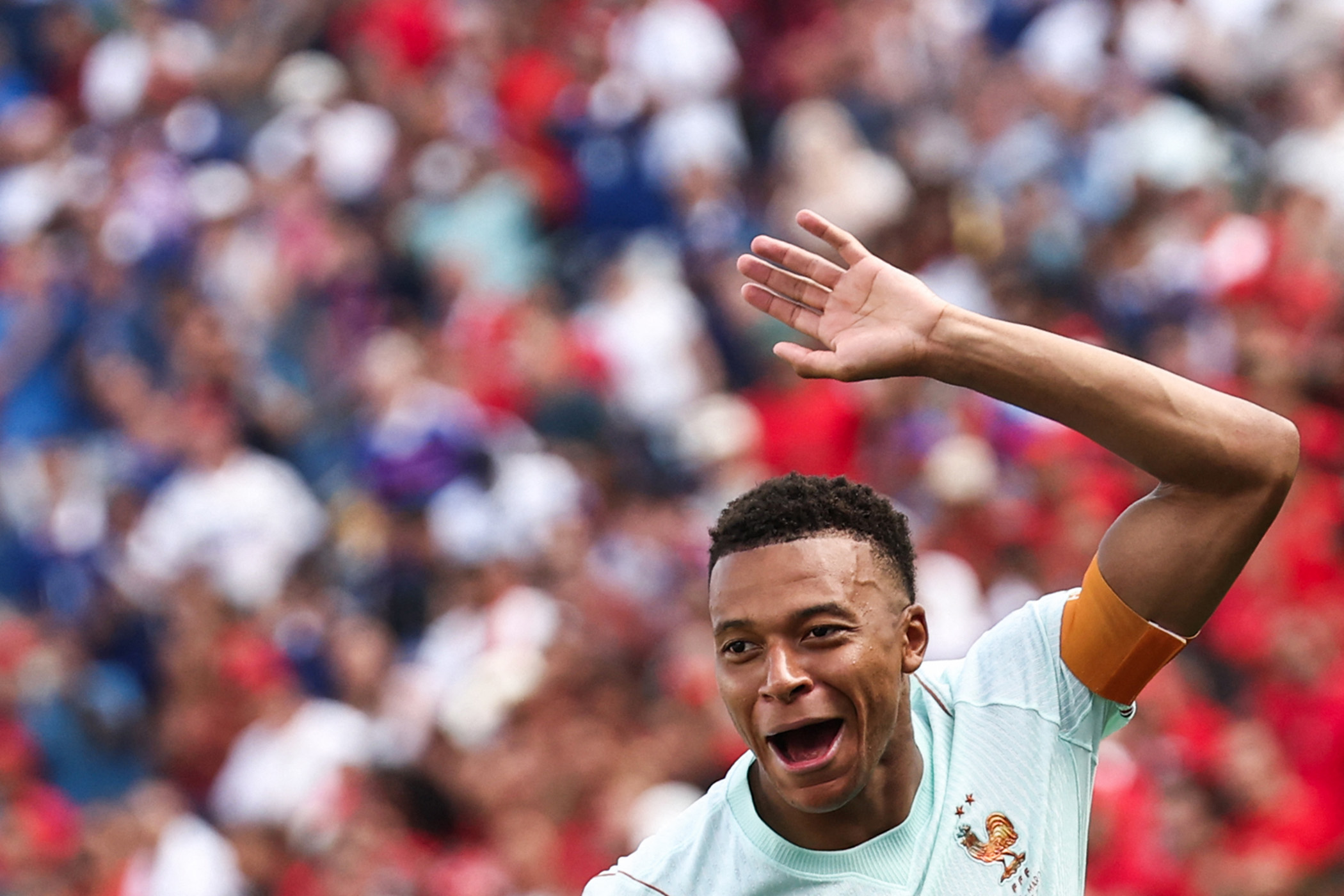
A yearning pervades Boston, just at the moment. There has been a little World Cup fever over the last couple of days; several hundred Moroccan fans gathered on Boston Common to sing and dance the night before they watched France swat their team aside in the quarter-finals, the last game of the tournament that will be played here (or near here, anyway.)
But it feels a little like everyone is going through the motions, certainly when compared to the vivid and heady days of mid-June, when the city was in the throes of a summer fling with tens of thousands of really quite drunk, and defiantly kilted, Scots. Boston’s World Cup high was a while ago now; this is the comedown.
That is probably true across North America. There are now only seven games left, spread across six cities. Fifa’s elaborate set design has already been taken down in Mexico and Canada; Seattle, San Francisco, Houston and Boston are done now, too. We no longer have to pretend it’s not called the Azteca. Or even the Estadio Banorte.
Only seven countries remain. All the other teams have gone home. Including, if we’re all completely honest, the vast majority of the fun ones, or at least the ones with the sorts of fanbases who had turned this tournament, this last month, into a rolling carnival: Colombia and Japan, Algeria and Bosnia, Scotland and Brazil.
Not entirely unrelated: most of the teams left are European. Morocco’s defeat yesterday means that Argentina, frayed and fried, wild and exhausted, a team in which 11 players represent 46 million neuroses, are the only side left representing everybody else against the relentless, inevitable, mechanised strength of western Europe’s powerhouses.
That is not unprecedented: Europe has taken at least six of the eight slots three times since the tournament expanded to 32 teams in 1998. In those eight tournaments, they have only provided a minority of quarter-finalists once.
Newsletters
Choose the newsletters you want to receive
View more
For information about how The Observer protects your data, read our Privacy Policy
On one level, that is not especially surprising: no matter how many sides the World Cup contains, it can be taken as an article of faith that more of them than necessary will be European. Sheer weight of numbers helps.
But that is not a complete explanation of why one continent so reliably outperforms all of the others. Instead, that can be traced to a panoply of factors, all of which – industrialised youth development programs, strong domestic leagues, access to high-quality coaching and cutting edge ideas around analysis, conditioning and nutrition – can basically be grouped together under the word “money.”
That is slightly reductive. As Simon Kuper and Stefan Szymanski demonstrated in Soccernomics, a couple of decades ago, the basic key to success in football is being as close as possible to the centre of the game’s global network in Europe: or, in short, the teams with the best chance of winning are the ones with the most players in the Premier League and Champions League.
But much of it does come down to what we might obliquely call economics; not just the chance to invest in things like player development but the opportunity to be rewarded for the talent that you do produce. French teams generate millions of pounds in revenue by selling the unwanted jewels of their academies. European scouts pluck the best products from Africa for hundreds of thousands, in the absolute best case scenario; South American clubs might hope for at least a little more.
The effect, now, is so entrenched that it has effectively hit critical mass. Youth development across the world is geared towards producing players to sell to Europe, for whatever money might be available; that, in turn, serves not only to calcify Europe’s position as the game’s engine, but actively to weaken potential opponents. Brazil have a patchwork, uneven squad at least in part because the country now produces players to meet someone else’s demands.
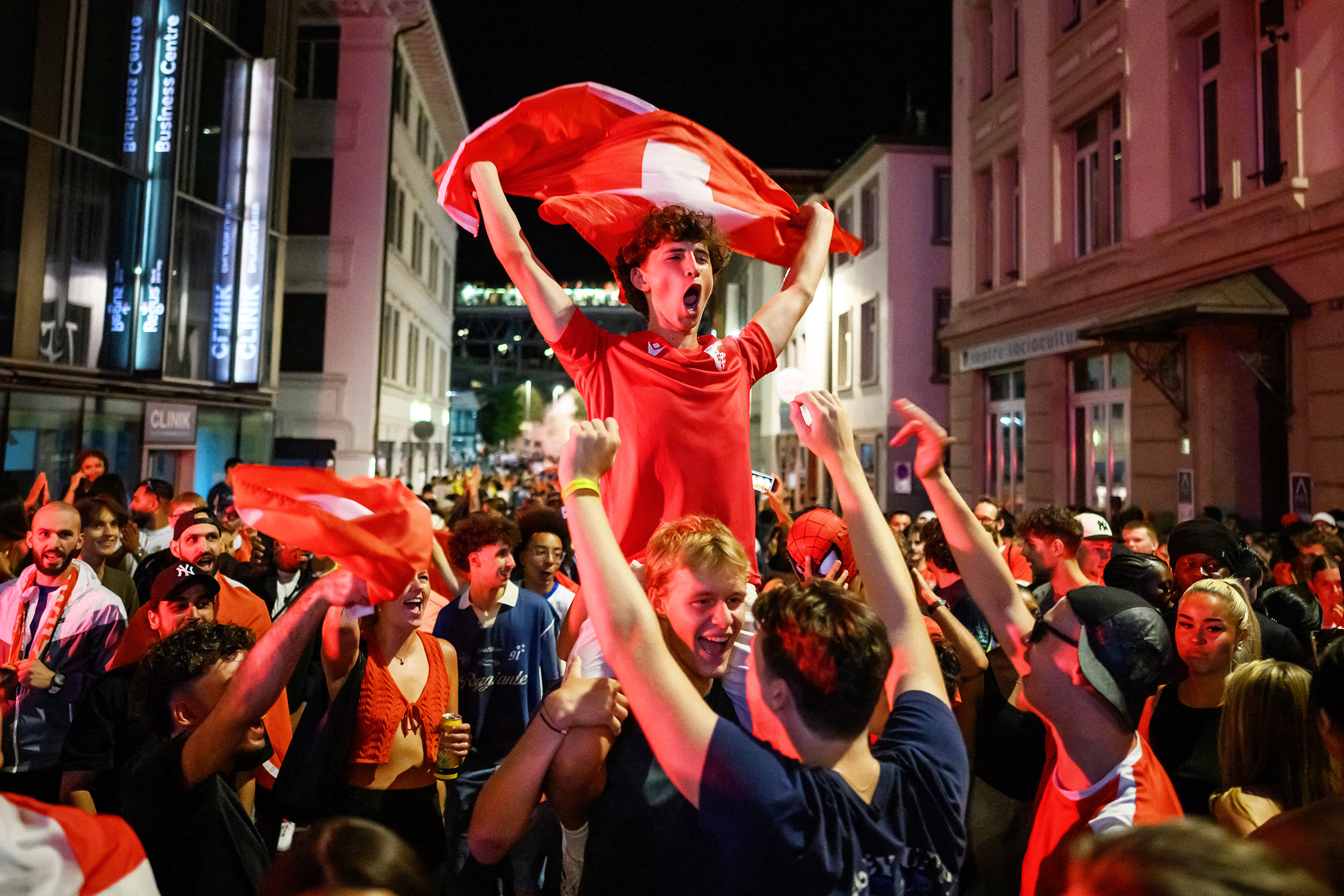
That is not to diminish the achievements of those countries, particularly Norway, Belgium and Switzerland, who have been able to use their privileges to punch above their weight, just as the likes of Portugal and Croatia have done before them. They deserve to be here. But it is hard not to yearn, just a little, for the days when there was a little more variety, a little more fun.
Photograph by FRANCK FIFE / AFP via Getty Images