
They were ready outside AT&T Stadium, standing in the blistering sunshine and the searing heat, waiting for the game to end. The gates were open, but they knew they could not cross the threshold, like vampires, except with cameras and lapel mics. Those gates marked an invisible border: between inside and outside, Texas and Fifaland, and they did not have their papers.
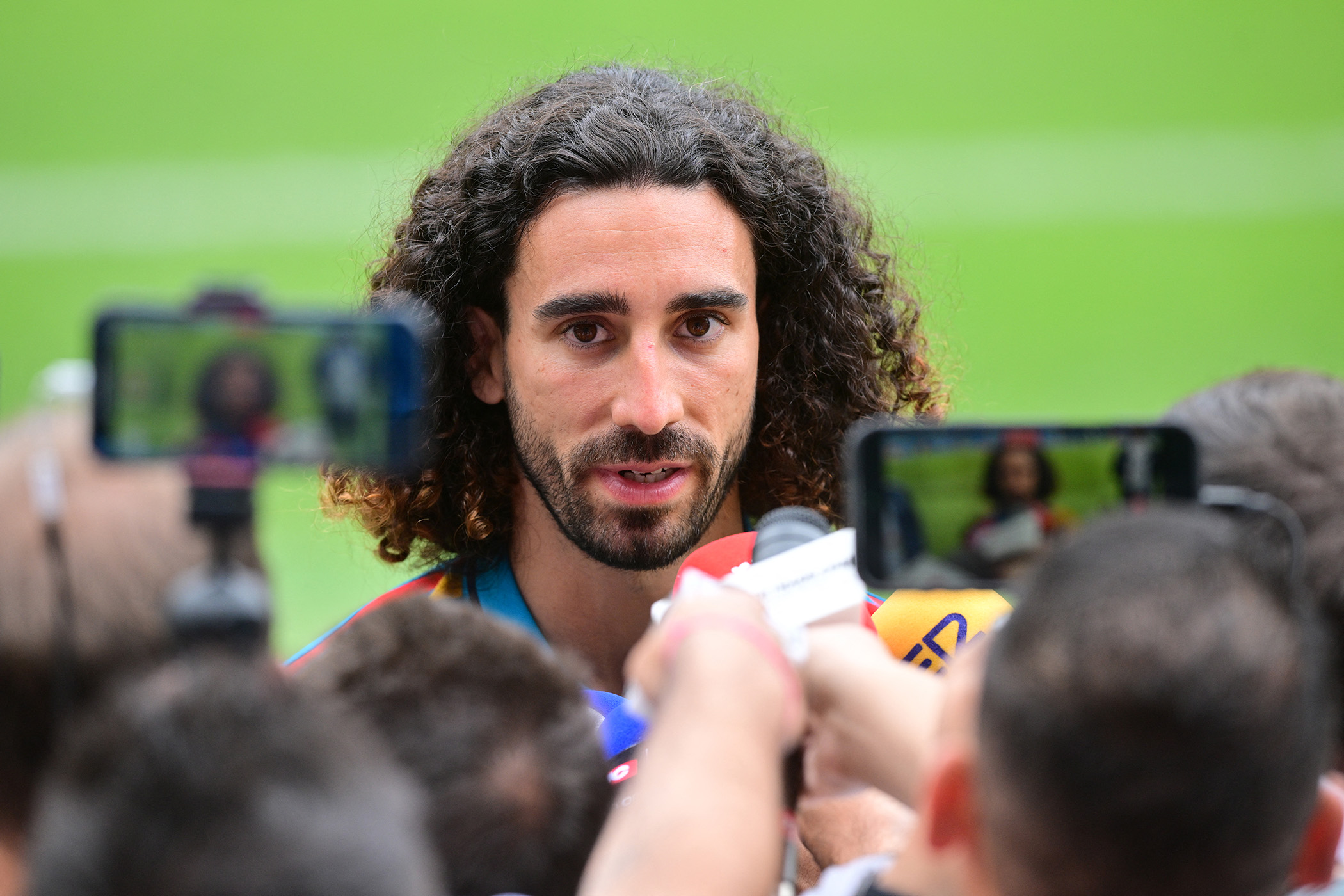
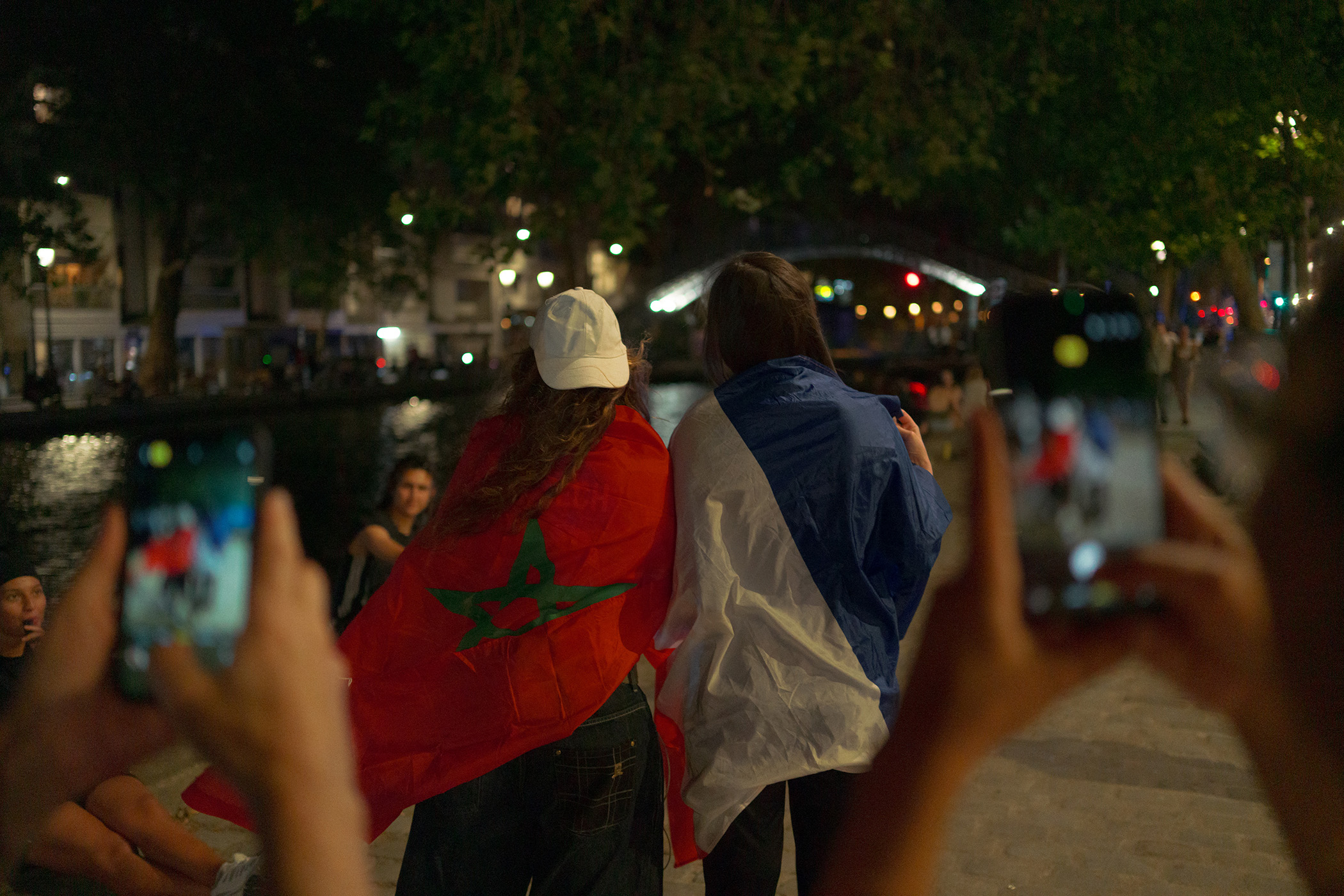
As soon as fans started to stream out, they sprang into life. Australian television crews asking about the disappointment of elimination. Egyptian reporters hoping for broad smiles and soaring expectations. Local networks seeking urgent answers as to whether everyone liked Dallas. And then, among the gathering crowds, flocks of iPhones hunting out soundbites, colour, characters.
This has always been one of the great traditions of World Cups. Only rights-holding broadcasters – what Fifa now refers to as its media partners – are allowed to broadcast from within the stadium’s footprint. All of those networks that do not have that status have to be a little more creative with their choices.
This is why, for years, Sky Sports News would reliably anchor their coverage from an elevated viewpoint a few miles away from a stadium, a visual code to convey to their viewers in three-star hotel lobbies, newspaper sports departments and Premier League training grounds that they were here, on the ground, even if they technically weren’t there, at the World Cup.
Those rules seem to have grown stricter with time. In Qatar, stewards opened the tournament insisting that nobody with a media accreditation was allowed to film video inside stadiums. They mostly stopped enforcing it after the futility of this edict, when fans can film what they like, was pointed out.
Four years on, there are regulations that govern broadcasting live inside stadiums and posting anything with Fifa branding on social media. All of that footage, that delicious content, belongs to the rights-holders. They have paid colossal sums of money for that exclusivity, and Fifa is not in the business of upsetting them.
And so those who are not allowed inside have to focus their energies outside, producing what is now known as “shoulder content”: all the stuff that surrounds the tournament but does not actually involve showing any football.
In many cases, that takes the form of that great pillar of both print and broadcast journalism: the vox pop, standing outside a stadium, slowly melting in the nuclear heat of the Dallas sun, trying to persuade fans that they might want to speak their brains. In others, though, it has been a little more lavish.
Eager to break into sports, Netflix paid Goalhanger – the production company part-owned by Gary Lineker – a reported £14m to produce a nightly streaming version of its The Rest Is Football podcast. It cannot show even a second of the action from inside the stadiums, but it nonetheless has 150 staff, as well as a bespoke studio in the heart of Times Square and a steady stream of high-profile, largely British-focused guests.
Whether that ploy has worked is hard to tell. Netflix’s ambitions for the show might be a little more subtle than simply counting viewing figures. As Tony Pastor, Goalhanger’s co-founder, told Sportico last month, the streamer – which will show next summer’s women’s World Cup – wanted to be part of the “national conversation for six weeks”.
Newsletters
Choose the newsletters you want to receive
View more
For information about how The Observer protects your data, read our Privacy Policy
That is the appeal of the men’s World Cup, of course: no other single event can offer access to such a vast and engaged audience, making it an opportunity that no media outlet – print or broadcast, analogue or digital, new or old – can afford to ignore. They might not have the games or the goals, but the depth of interest is such that there is still more than enough to go around.
The complication, obviously, is the competition: not just with more traditional broadcasters or other streamers, but with social media platforms, too. The World Cup acts as a bottomless fountain of what is still vaguely known as user-generated content: all of those videos of Dutch fans bouncing in Dallas, Brazilians seizing the Rocky Steps and German tourists discovering the extremely dubious pleasures of Waffle House.
That this tournament has been consumed on Instagram and TikTok and YouTube as much as it has on television – however that television is projected – can be seen from the staggering growth in follower counts that certain players have experienced: Vozinha, the Cape Verde goalkeeper, came to the United States with 50,000 followers. He is now on 29 million.
The same has held true for various fan accounts documenting their experiences. Fifa had attempted to control that, too, granting privileged access to 30 hand-selected content creators and appointing TikTok as its “preferred platform”. It is not clear whether iShowSpeed is among that number; he has been ubiquitous regardless.
Several of those creators, surveyed by The Athletic, said that they had seen noteworthy growth over the course of the tournament, as well as landing deals with the hundreds of brands hoping to cash in on the edges of the World Cup; it has lived up to its promise, as described by Rollo Goldstaub, head of global sport at TikTok, as “the biggest content moment across all categories, not just sports”.
That effect cannot, of course, be limited to those who meet with Gianni Infantino’s approval. Many of the most viral moments, the ones that have permeated most deeply into our consciousness, have been unexpected, spontaneous, organic; the World Cup, now, forges stars off the pitch as much as it does on it.
But perhaps that does not matter, ultimately, because all of it embeds the World Cup still further in our collective imagination, to cement its position as the one event that brings the planet to a standstill. The unruly, untameable nature of social media might be a complication for those broadcasters trying to make real money off the World Cup, but it only serves to make the tournament loom ever larger. It does not matter whether you are inside or outside; the world simply cannot get enough.
Photograph by Frederic J. Brown/AFP via Getty Images