
Look how they massacred my game, my beautiful game, they cry. Ruud Gullit, author of How to Watch Football, has apparently stopped watching football, because it is “absolutely horrible” and he doesn’t enjoy it anymore. The famously interesting Paul Scholes believes Arsenal would be the most boring Premier League winners ever and that, in truth, the trophy shouldn’t be awarded at all. Meanwhile Arne Slot argued on Saturday that “most of the games I see in the Premier League are not, for me, a joy to watch”, as though powerless to fight the beast of boredom.
The prevailing sentiment is that the Premier League is boring, broken even, because of set pieces, or Arsenal or VAR. Or all three. And yet this is increasingly hard to square with the fact that few Premier League seasons have delivered this many narratives or this much delicious discourse. There is a beautiful bar fight of a title race, multiple teams scrabbling for both Champions League qualification and the Europa/Conference League. At least one of Brentford, Everton, Bournemouth, Fulham or Sunderland will play in Europe next season. That’s not to mention perhaps the most interesting relegation battle in recent memory, as Tottenham teeter on the brink. This is everything we have ever wanted. So why do so many fans feel so numb?
Yes, there are plenty of fresh irritations this season to take issue with. Grappling at corners is as ugly as it is annoying, and is bizarrely going unpunished. Whether the standard of refereeing is declining or not, it feels more confusing and inconsistent than ever, a frustration exacerbated, if not worsened, by VAR.
But perhaps you actually feel less connected to football because executives and owners have spent the past two decades stripping your agency and power, constantly finding new and inventive ways to exploit you both financially and emotionally. The price of entry, of engagement – from tickets and club kits to TV subscriptions – is so high that not enjoying every moment feels wasteful.
It hardly needs reiterating that both social media and the wider football media machine amplify and reward negativity and encourage division.
Fandom has always been something of a performance, but it has become ever more performative, a contest of who can care more about a midweek loss to a mid-table team, who can proclaim that they hate the sport they actually love more. Somewhere in here is the fact that we are more unhappy and more impatient as people, quicker to spiral and pronounce, more comfortable united in opposition to something than in support of it. Everything is less fun now.
Football’s powerbrokers and plutocrats are largely using the same playbook of distraction that politicians and billionaires have always deployed to turn attention from themselves – just instead of blaming immigrants and the economically disadvantaged, they blame football and the fans. Jim Ratcliffe, the great multi-hyphenate he is, is fighting the fight on both fronts.
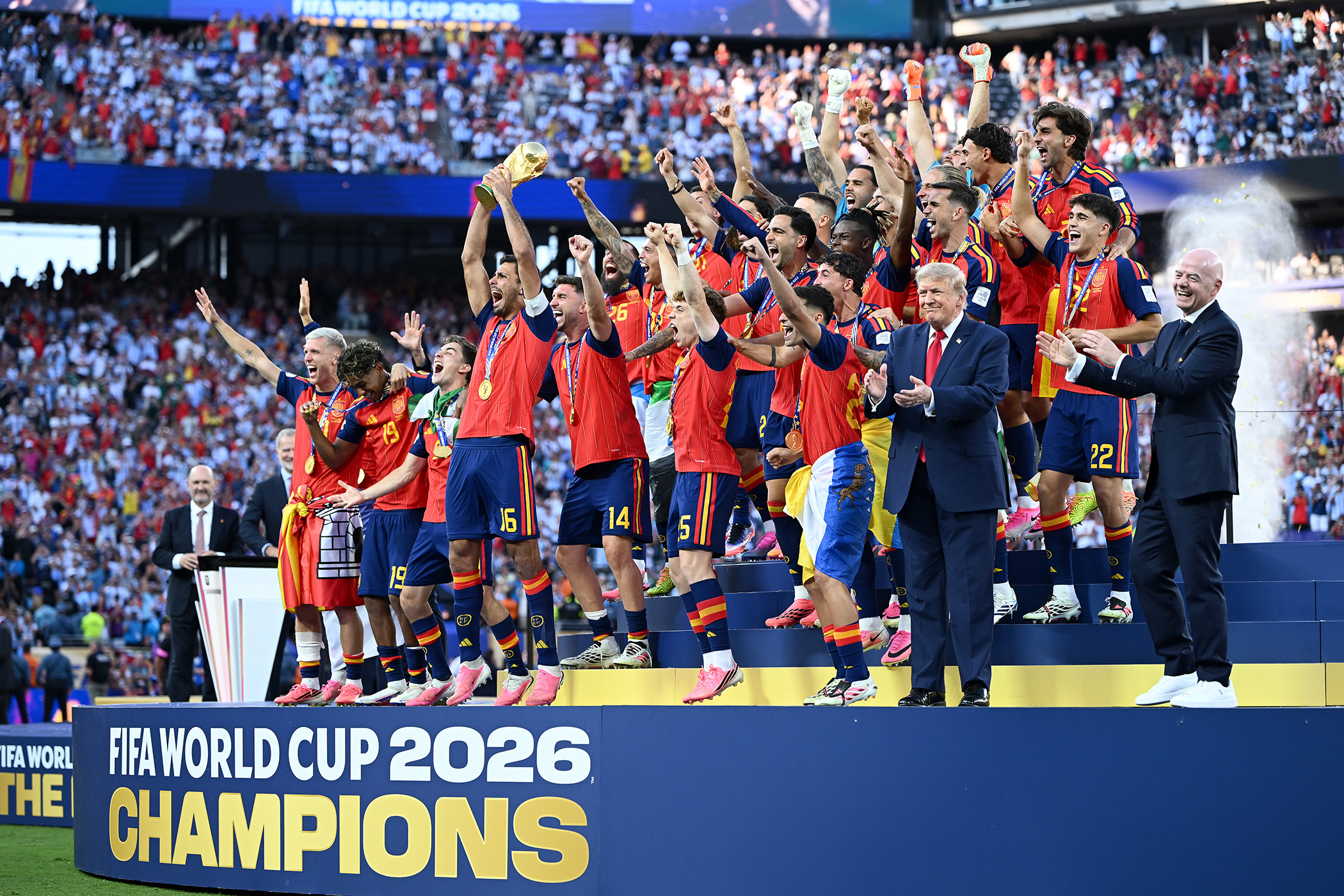
Ultimately it suits owners and executives to shift culpability onto players and coaches. Here’s Fabrizio Romano telling you about Saudi Arabia’s great humanitarian work in Yemen, where it definitely isn’t engaged in a proxy war with the UAE and bombing civilians. Here’s Snoop Dogg debasing a great Welsh club into a publicity opportunity. Here’s the president of Fifa awarding Donald Trump a peace prize then wearing his merch.
Modern football is harder to love because World Cups have become propaganda vehicles for the world’s worst people, because clubs are operated with the customary love and care of hedge fund managers, because fandom has become a moral and ethical firetrap as nation states drag their dicks across the Premier League. A shift in tactical styles is merely confronting people with how their relationship with the sport has changed. It turns out waiting two minutes for a corner bores you enough to expose the sport’s thinly veiled fault lines.
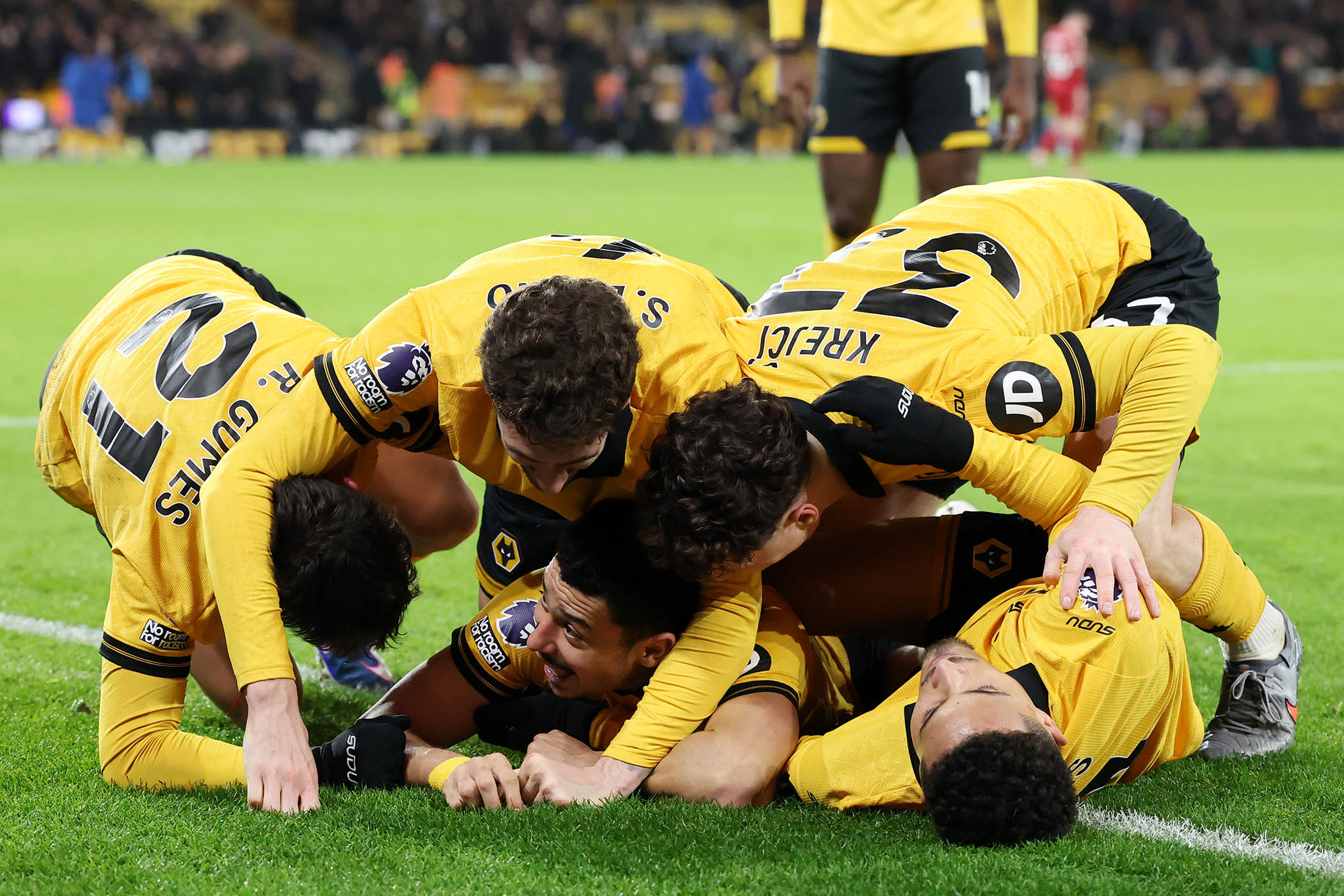
What do you actually want from football? It is difficult to imagine that a simple improvement from open play would not just open a fresh wound, a new frontier of indignation. Enjoying football in 2026 is an act of rebellion, recognition of sport’s ability to persevere through noise and manipulation and hate. In the past week alone it has produced a litany of wonderful moments. Rob Edwards Mourinho-ing down the Molineux touchline. Francisco Conceição’s astonishingly clean half-volley for Juventus in a 3-3 draw at Roma on Sunday. Brentford beating Burnley 4-3, having frittered away a 3-0 lead. Azor Matusiwa’s winner against Hull. Really, if you want to see the good stuff, it’s everywhere.
So, yes, be angry about the parlous state of football. Feel and rage and love. But target it in the right directions, at those actually responsible for the degradation of modern football's sanctity, for that emptiness you can never quite shake or satiate. For all it might seem like it, this is not Nicolas Jover’s* fault. It’s not even Mikel Arteta’s.
*He’s the Arsenal set piece coach.
More from The Observer
Photograph by David Rogers/Getty Images
Newsletters
Choose the newsletters you want to receive
View more
For information about how The Observer protects your data, read our Privacy Policy