Not long ago Frank Cottrell-Boyce, as children’s laureate, visited a neuroscience lab to watch a mother reading to her baby while both were wired up to a brain scanner. As the baby listened, her brainwaves calmed. But a building process was also under way, of neurological pathways that would grow and strengthen to help this newcomer to the world make sense of it.
If only all newborns were so lucky. In practice, children’s earliest learning experiences are so varied that experts speak of a “million-word gap” between those who are read to regularly and those who aren’t. Too often, the gap is never closed. Too often, as life chances diverge through childhood and the teenage years, grownups fail to pay attention, and digital slop – or worse – fills the space they leave. In a “manifesto for children” in today’s New Review, Cottrell-Boyce describes the attitude of those in charge towards the current generation of schoolchildren with one damning word: carelessness.
Six months ago, Keir Starmer told The Observer that young people have been “collateral damage” for the failures of past governments. He promised to make the next generation his top priority, but within days Downing Street insisted that the only thing that mattered was driving down the cost of living. If Starmer wanted to create a legacy by improving the wellbeing and life chances of children, he has failed.
The sad truth is that British children are among the unhappiest in the world. The gap between the educational outcomes of rich and poor children is growing and businesses complain that young people arrive at work without the skills required by the jobs market.
An education system that prioritises exams at the expense of almost everything else is failing to draw out the talent of every child. Around a third of pupils effectively fail all their GCSEs, and they are disproportionately from the most disadvantaged families. Just under a fifth of white working-class pupils achieve a good pass – a level five or above – in English and maths.
By the time they are 16, disadvantaged children are typically almost 18 months behind their wealthier peers, according to the thinktank Education Policy Institute (EPI). The most deprived – those who have been eligible for free school meals for at least 80% of their time in school – lag by 21.3 months. The “disadvantage gap” is already 4.6 months by the age of five.
Last September, more than a quarter of children started reception still in nappies. Almost a third were unable to eat and drink independently, and a quarter struggled with basic language skills. Children are falling behind before they get anywhere near the school gates, and the education system is failing to level the playing field. Instead of being an engine of social mobility, it is entrenching class divides.
The people who pay for this system with their taxes see what’s happening. Polling shows that only a fifth think schools prepare children well for either life or work. Britain’s top scientists are warning that a “broken education system” is holding back young people and the country. The fellows of the Royal Society are urging the prime minister to have the “bravery” to drive through “lasting meaningful change” to what children learn and how they are examined.
The big picture is sobering, but there are scenes and even data points within it that give hope. More children told the National Literacy Trust this year than last that they enjoy creative writing.
A country’s future prosperity and success depend on its young people. They are the entrepreneurs, inventors, designers, craftspeople and carers of the future, but too many are currently being written off. Success is so narrowly defined that huge numbers feel like failures. Many of them, Cottrell-Boyce was reminded on a trip to a Liverpool primary school, don’t like the summer because it means no school, their only place of safety. A childhood with summers to look forward to is not too much to ask.
Newsletters
Choose the newsletters you want to receive
View more
For information about how The Observer protects your data, read our Privacy Policy
Thank you for reading. Tell us what you think by writing to letters@observer.co.uk
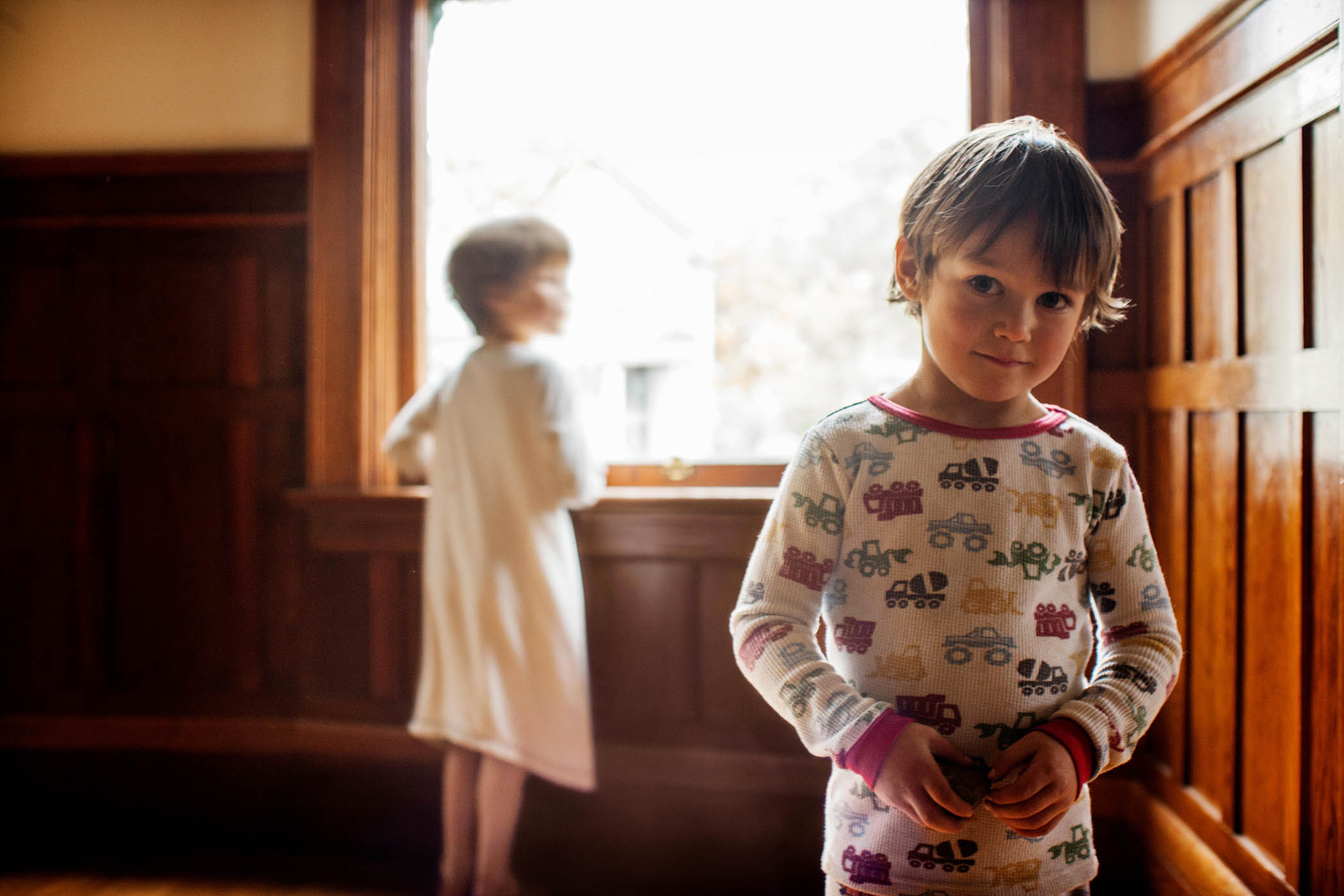
Photograph by Erikson Stock via Alamy