Related articles:
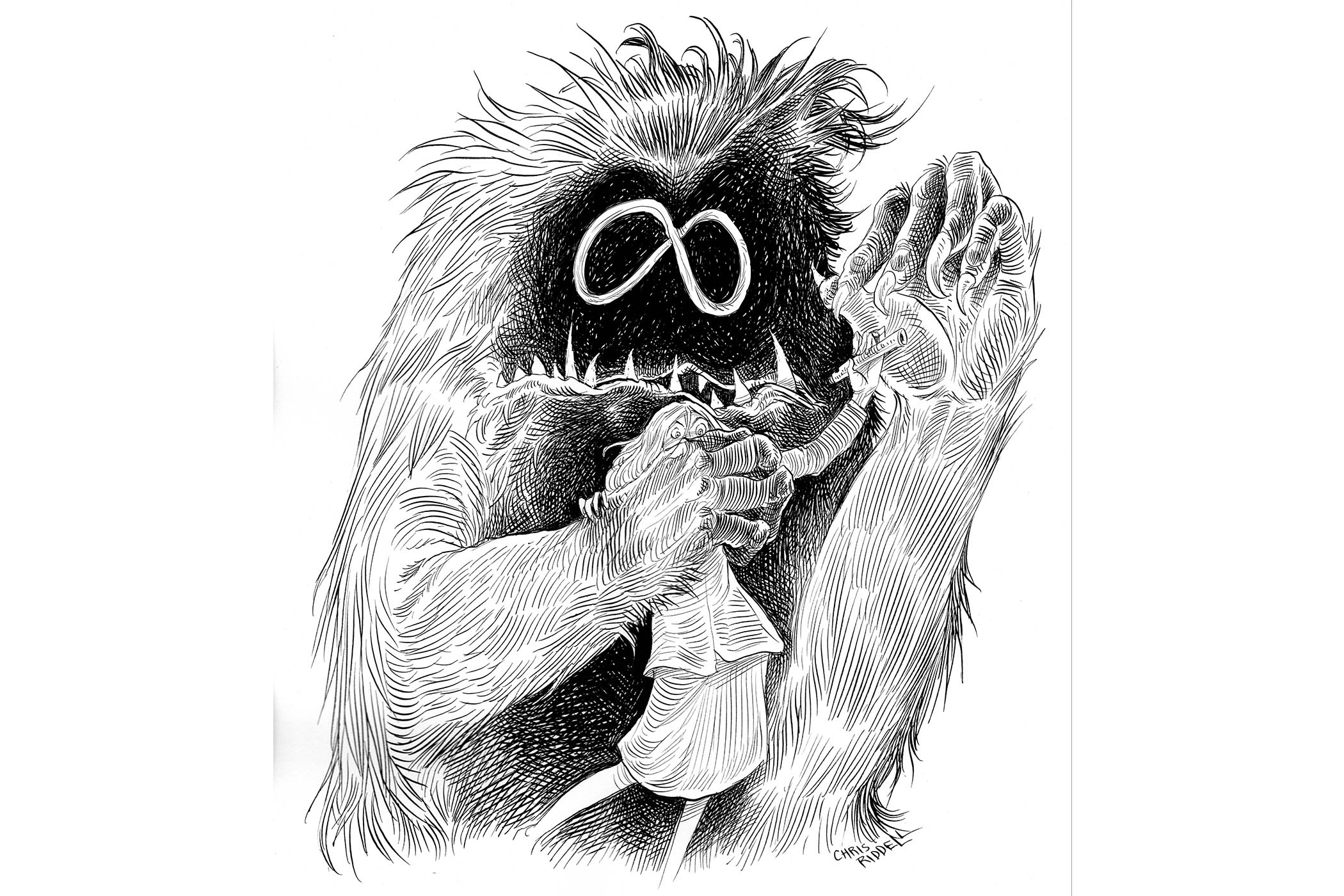
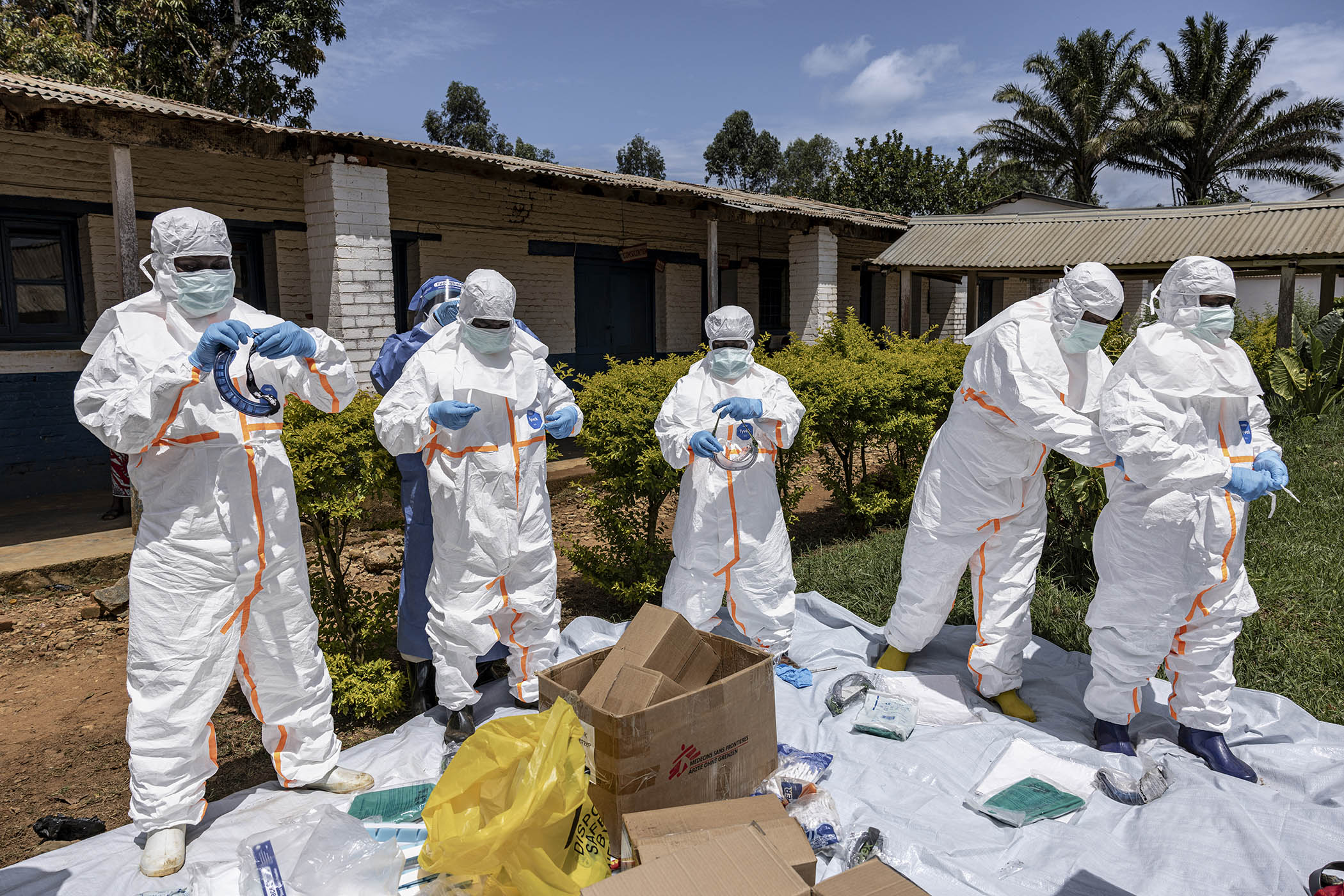
The signs are that the latest ebola outbreak in the Democratic Republic of Congo is spreading fast. At least 177 people have died. More than 750 are infected. On Thursday, angry crowds burned down isolation tents near the outbreak’s epicentre in eastern Ituri province, and health officials said the number of people carrying the virus was doubling every three days.
This was almost certainly avoidable. With better healthcare infrastructure and more specialist health workers on the ground the outbreak could probably have been contained, like smaller ones that have occurred most years since the last serious ebola epidemic in 2014.
There is no secret about what’s different this year. The outbreak follows the dismantling of USAID, the main federal US humanitarian aid organisation, which used to fund essential healthcare programmes across sub-Saharan Africa but was abolished by Elon Musk as part of his stint in charge of the Trump administration’s short-lived Department of Government Efficiency.
Marco Rubio, the US secretary of state, said last week that the World Health Organization had been “a little late” identifying the rare Zaire ebola strain in this outbreak and declaring it an international emergency. Which was a little rich, considering that in addition to scrapping USAID, America was a major WHO funder until it withdrew last year, and has slashed budgets at the US Centers for Disease Control and Prevention.
Total US aid funding of $68bn in 2024 has since fallen to close to zero. Other countries that might have made up some of the shortfall haven’t. French, Canadian and German aid funding fell by between a fifth and a quarter in the past three years. In Britain the decline is even steeper: 39% since 2023, as Conservative governments and now Labour have revised down the share of GDP pledged to aid from 0.7% to 0.5% and 0.3% in 2027. Last week, when asked to rule out yet more cuts, Keir Starmer wouldn’t.
The rich world is turning away from the poor. It’s mean, and blinkered. Taken together these cuts are an object lesson in the false economies of abandoning humanitarian aid, whether to balance the books or pander to populists.
Musk abolished USAID as part of a spectacularly botched and counterproductive plan to cut $2tn in supposed waste from the federal budget (it actually saved between $2.6bn and $7bn, according to the University of Michigan). In the UK the idea is to free up money for defence. Both involve making the lives of the most vulnerable people on the planet even more precarious, but they make the developed world less safe too.
Ebola kills by weakening blood vessels, leading to internal bleeding and organ failure. The mortality rate is close to 50%. The last major outbreak killed more than 28,000 people. If this one spreads as that one did, it will be a defeat for humanity more than a victory for the virus.
Related articles:
Political football
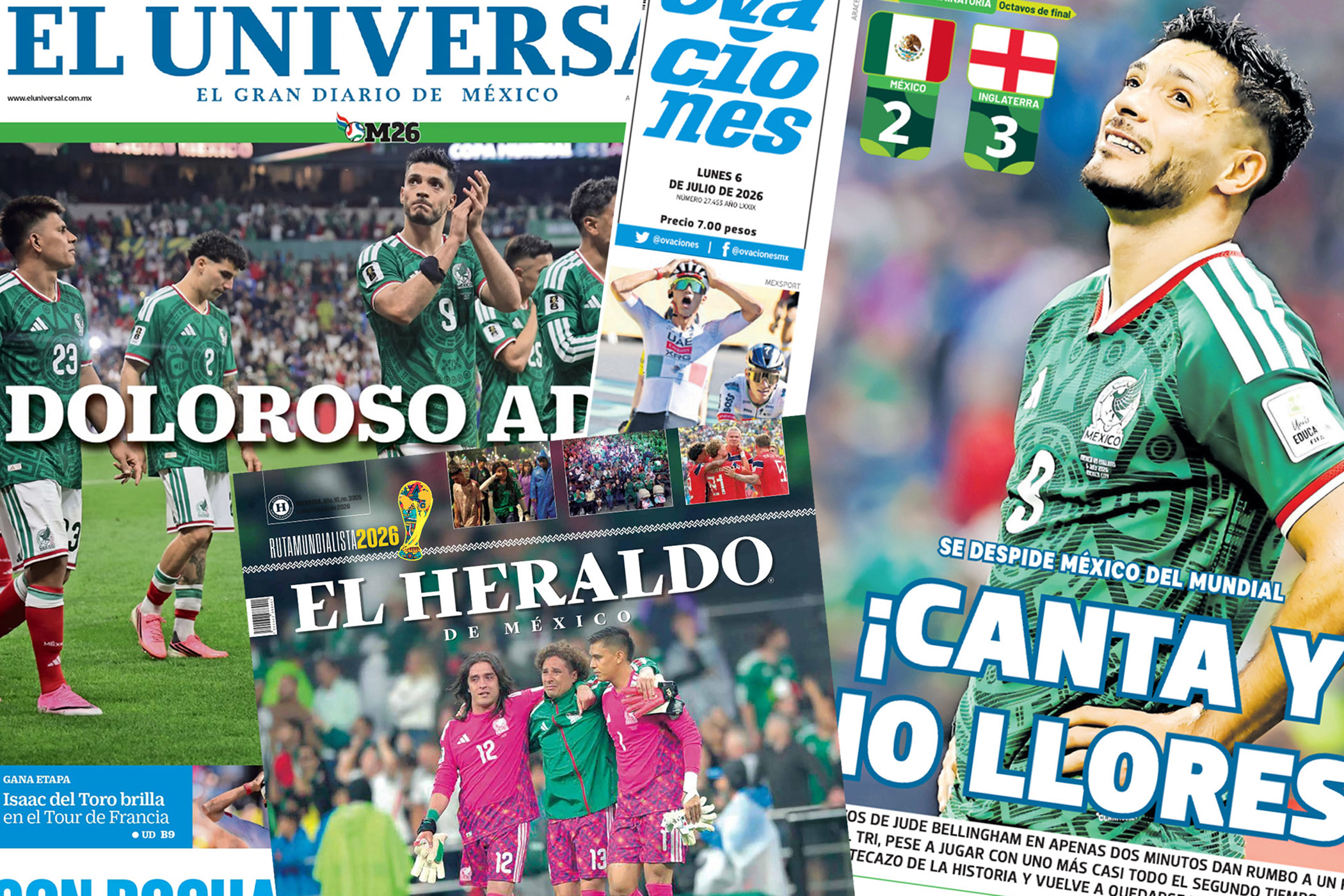
In two weeks and four days the football world will have shrunk to North America for the World Cup. Russia won’t be there – barred as a warmonger from the qualifying rounds. Fans from Haiti, Iran, Ivory Coast and Senegal won’t be there – denied visas on national security grounds. But the hopes of 48 countries will be there, and not just the football hopes.
At first sight the theory that the CIA poisoned Gordon Banks to give Brazil a leg-up over England in the 1970 Mexico World Cup defies credulity. But Brazil’s dictator was obsessed with winning, and the CIA was well-disposed towards him, and it was mob-handed at the tournament. Harold Wilson was obsessed with winning too – so much so that he timed an election to coincide with the World Cup in the hope that it might boost his chances. Fast-forward to 2026. Labour’s in trouble again, and England’s had 56 years of hurt. What if the three lions put an end to that at last? What then for No 10?
Photograph by Michel Lunanga / Getty Images
Newsletters
Choose the newsletters you want to receive
View more
For information about how The Observer protects your data, read our Privacy Policy