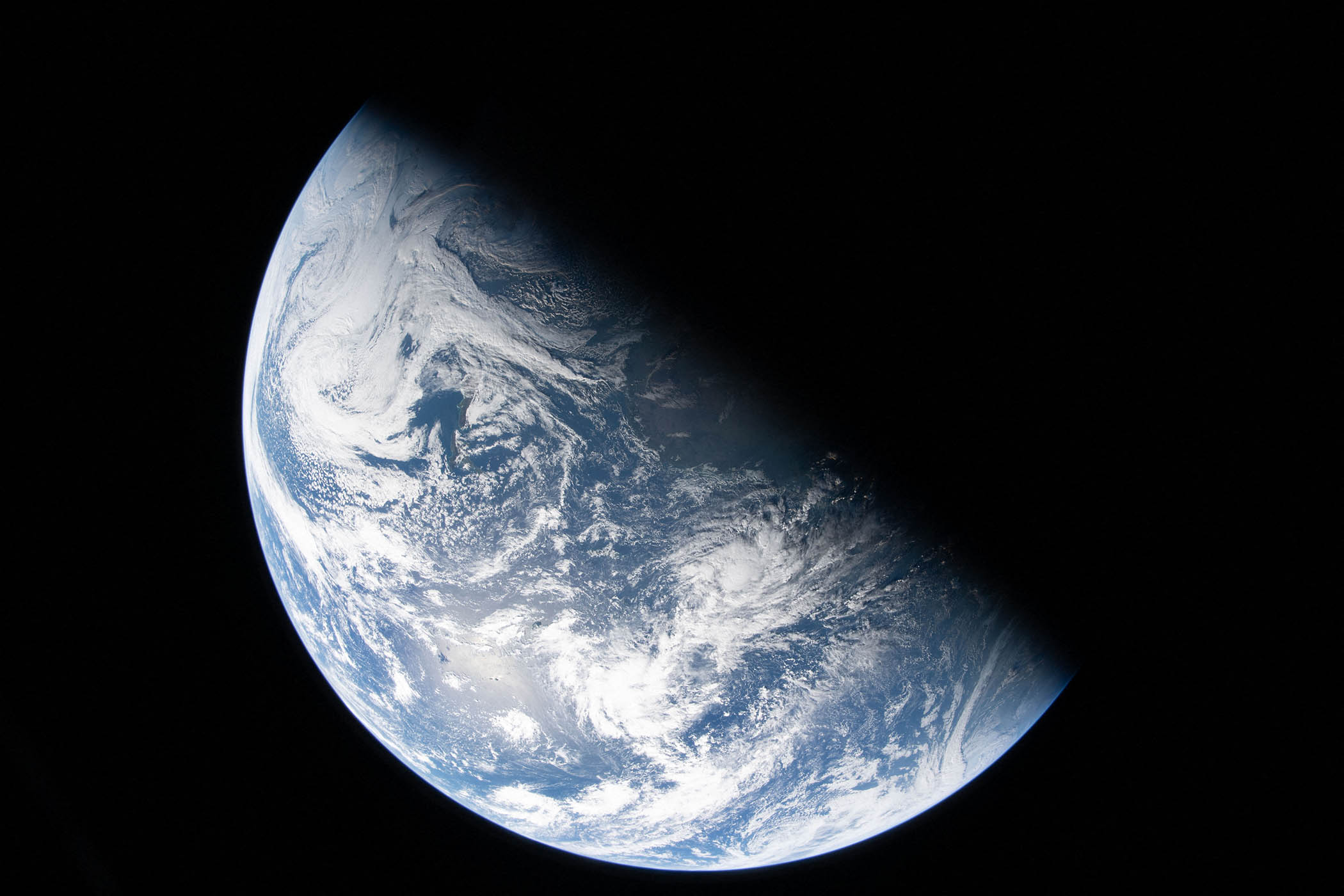



On Earth, the United States is spending about a billion dollars a day sowing chaos and destruction in the Middle East – and now trying to rescue its downed pilots before Iran’s armed forces can get to them. In space, it is spending $4bn over 10 days to revive human exploration of the moon, with a view to building a base there and going on to Mars. In terms of prestige and goodwill per dollar, there is no contest. Exploration as reinvented by Nasa is a form of soft power. Like diplomacy, it offers much better value for money than war. Unlike diplomacy, it offers the bonus of scientific research that extends the frontiers of knowledge and enhances life on Earth.
There are caveats worth noting. No one would suggest prestige in space is a substitute for security on the ground. Artemis II, which heads back from lunar orbit on Monday, gets no marks for innovation. It is a salad of old rocket and space shuttle technologies, repurposed for a mission first accomplished 58 years ago. It’s the project of a Nasa formed by peace rather than cold war, risk averse ever since the Challenger disaster of 1986 and outdone on most fronts by its own private contractors, Elon Musk’s SpaceX chief among them.
There is a strong case for going straight to Mars rather than back to the moon. And there is, as always, a case for not leaving Earth at all because it costs so much and there are so many other uses for finite taxpayer dollars.
But where would that leave shared human endeavour? It’s a cliche, but one worth using, especially now. Artemis II’s crew has proved a calm, cheerful rebuke to chauvinism. Victor Glover is the first Black American to travel beyond Earth’s orbit. His presence in the Orion spacecraft won’t lay to rest Gil Scott-Heron’s lament that only “whitey” made it to the moon when non-whites in 1960s America were struggling to turn new laws into better lives. But this is progress even so.
Human space exploration defies conventional measures of profit and loss – and political short-termism, too
Human space exploration defies conventional measures of profit and loss – and political short-termism, too
Christina Koch is the first woman to head to the moon, and Jeremy Hansen the first non-US citizen. This is not a Maga crew, which may explain why President Trump did not attend its launch. Three of its four members are ex-fighter pilots and there is an old-school feel to that, but their commander made it a point to say they were heading back to the moon “for all humanity”.
Nasa has form with this sort of rhetoric – Neil Armstrong’s first step on the moon was “for mankind” after all. It might be easy to mock, but for the courage it still takes to climb aboard a 30-storey firework and be blasted into the heavens, and for the teamwork required to make the process survivable.
Any moonshot is a symphony of engineering played by a vast orchestra. At its peak the Apollo programme employed 400,000 people and consumed nearly 5% of the US federal budget. Nasa now spends less than 0.5% of it, and falling, but human space exploration still defies conventional measures of profit and loss.
To achieve anything worthwhile it has to defy political short-termism, too. To realise its goals, the Artemis programme will have to overcome huge technical challenges that it has created for itself by opting not to pack a lunar lander as hand luggage. The “Eagle” went to the moon with Armstrong and Buzz Aldrin, strapped to their command module. This time the idea is to park a lander in orbit round the moon in advance – a feat SpaceX and its rivals are all years from accomplishing. It’s entirely possible as a result that Artemis never actually puts people on the moon, or that China gets there first.
Wherever it leads, though, the programme should outlast the Trump presidency and serve as a reminder of American striving and collaboration rather than bad-tempered nationalism.
Photograph by Reid Wiseman/NASA / NASA / AFP via Getty Images

Newsletters
Choose the newsletters you want to receive
View more
For information about how The Observer protects your data, read our Privacy Policy