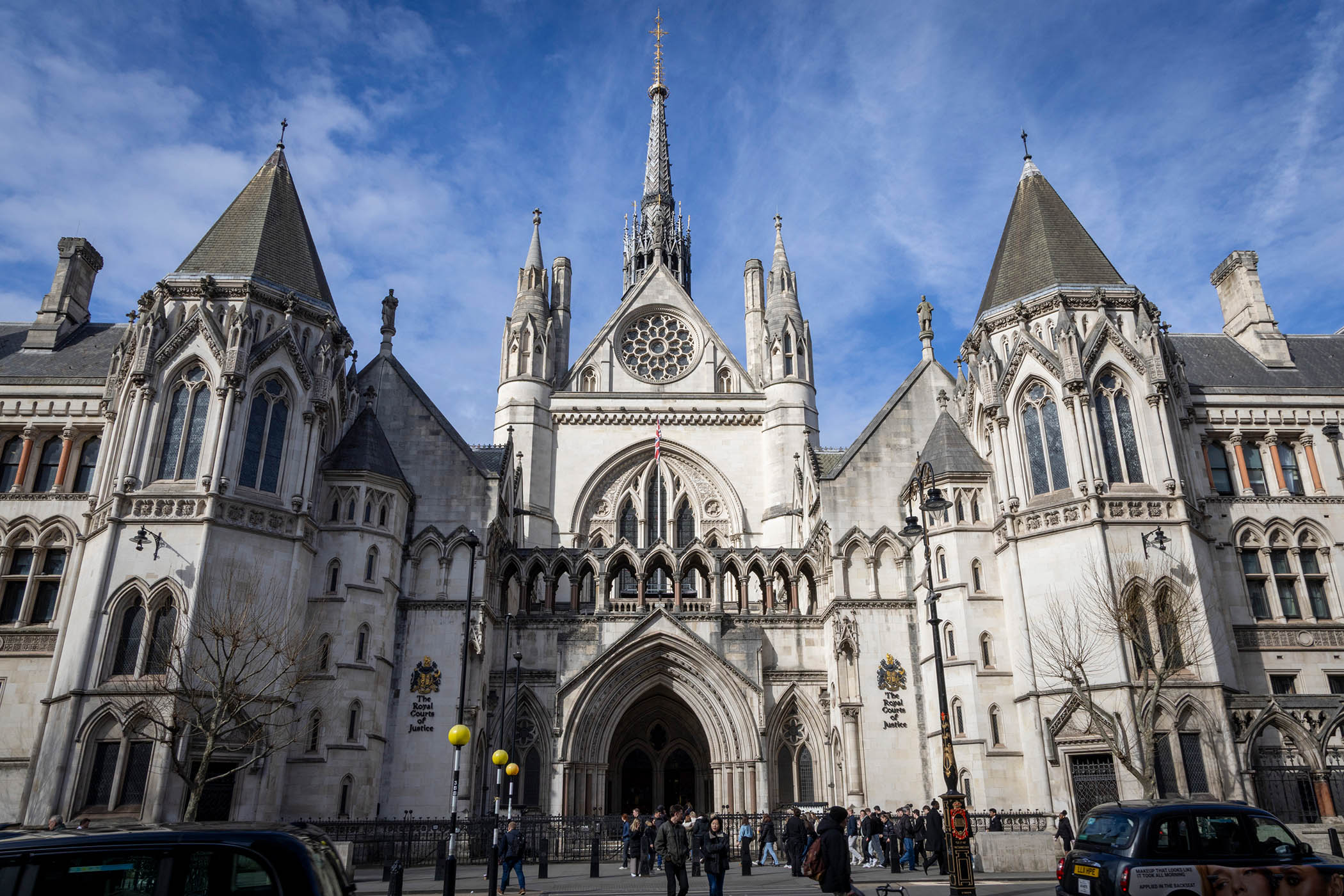



No system of criminal justice is foolproof; mistakes and miscarriages will happen. If the most important question in any model is how to avoid errors in the first place, a close second is how to rectify the ones that inevitably slip through the net as quickly and painlessly as possible. On that measure, the criminal appeals system in England and Wales is failing badly – and at the heart of the problem sits the institution that is meant to provide the solution, the court of appeal.
The Observer this week reports on the court’s treatment of Peter Sullivan, who spent 38 years in jail for a crime he did not commit, the longest time in British legal history. Soon, the same court will consider an appeal from Clive Freeman. If it quashes his sentence he will have served even longer. No court in the world should be content to take nearly four decades to put matters right but the court of appeal found no fault with any part of the appeals process even as it set Sullivan free.
Complacency is one of the charges levelled against it, but just as significant is the deadening effect the court has on the institutions around it and the machinery that is meant to correct miscarriages of justice.
An example: the Criminal Cases Review Commission (CCRC) was born out of the last major set of criminal justice reforms after the scandals of the 1970s and 80s; the wrongful convictions of the Guildford Four and the Birmingham Six for IRA pub bombings among others. Its job is to examine potential miscarriages and refer them to the court of appeal, and it was established as an independent body with the potential to be a disruptor within the system. But it can only refer a case to the court of appeal if it believes it has a “real possibility” of succeeding when it gets there. In other words, it has to predict the mindset of the court, and as the court has become more predictably conservative and defensive (more concerned to protect the integrity of the system by glossing over its flaws), the CCRC has become cowed and risk-averse.
The court of appeal enjoys a position that is beyond reproach, beyond accountability and beyond reform
The court of appeal enjoys a position that is beyond reproach, beyond accountability and beyond reform
Another example: the court has an effective veto over which criminal cases are allowed to go to the supreme court. In order for a case to advance, the court of appeal has to certify that a point of law of general public importance is involved and, if it decides not, that is the end of the road. Only about 5% of the cases the supreme court hears are criminal. The principle that the supreme court should only take an interest in cases of wide significance might be correct but surely it, not the court of appeal, should decide what they are. Its relationship with both the CCRC and the supreme court make the same point, that its influence is huge. A final, high-profile illustration: you do not have to be a partisan in the case of Lucy Letby to see that she is hemmed in on all sides by the court of appeal.
For the CCRC to adopt Letby’s case, it would have to see a real possibility of success at the court of appeal (difficult when it turned her down flat in 2024). For the court of appeal to send Letby to the supreme court it would have to certify that there is a point of general public importance at stake, and it will not do that. By the standards the court sets, Letby does not have fresh evidence to bring forward (it would need to be evidence that could not have been produced at her original trial, not simply evidence that was not produced). And the court of appeal hardly ever allows an appeal because a defence was badly conducted, as Letby’s supporters contend hers was. Checkmate.
In the words of its critics, the court of appeal enjoys a position that is beyond reproach, beyond accountability and beyond reform. With no one to hold its feet to the fire – politicians are rightly cautious about infringing judicial independence – it has been largely untouched by overhauls of criminal justice in the last 50 years. If it has not yet been the focus of public disquiet, that time is overdue.
Photograph by Andrew Aitchison/In pictures via Getty Images
Newsletters
Choose the newsletters you want to receive
View more
For information about how The Observer protects your data, read our Privacy Policy