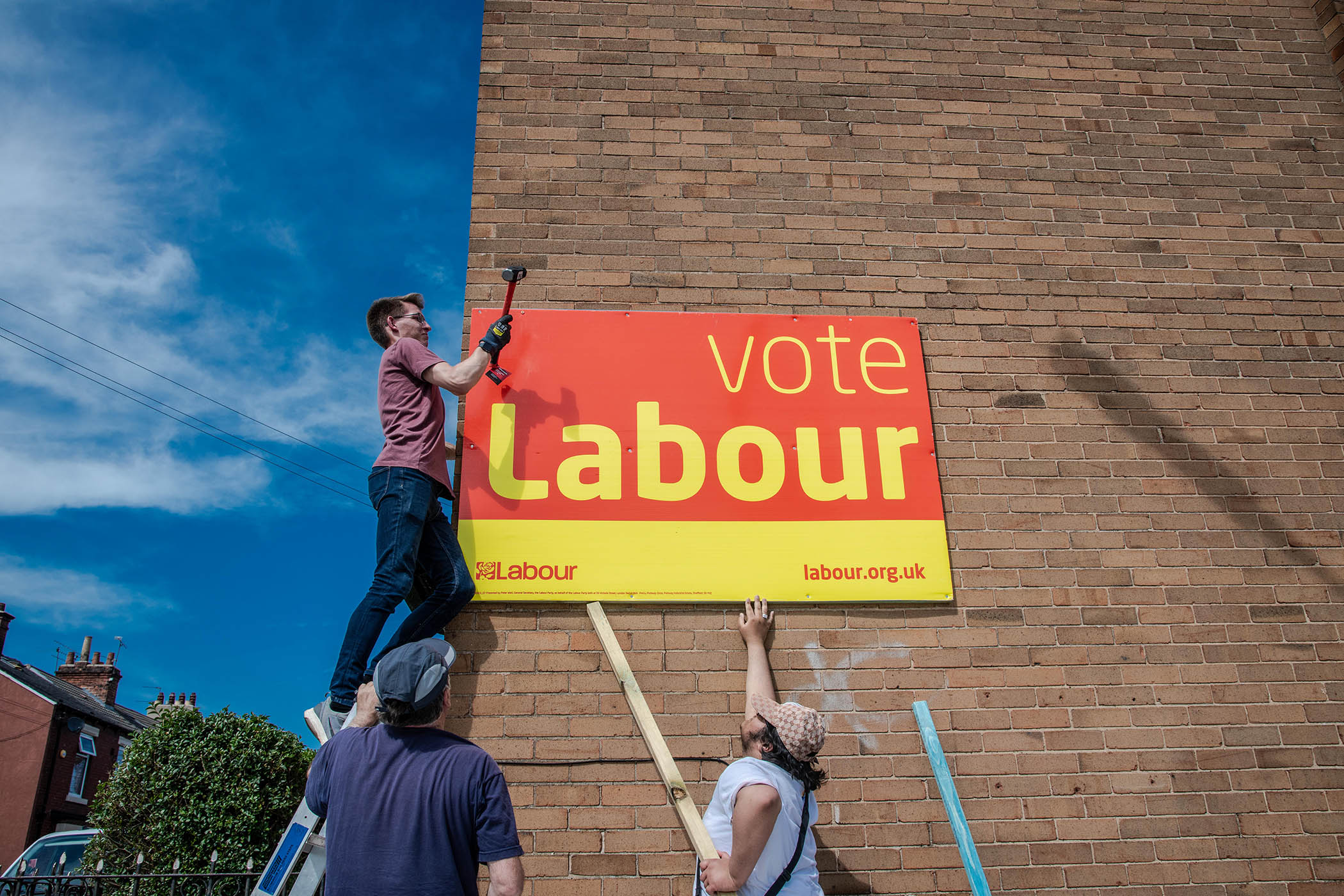


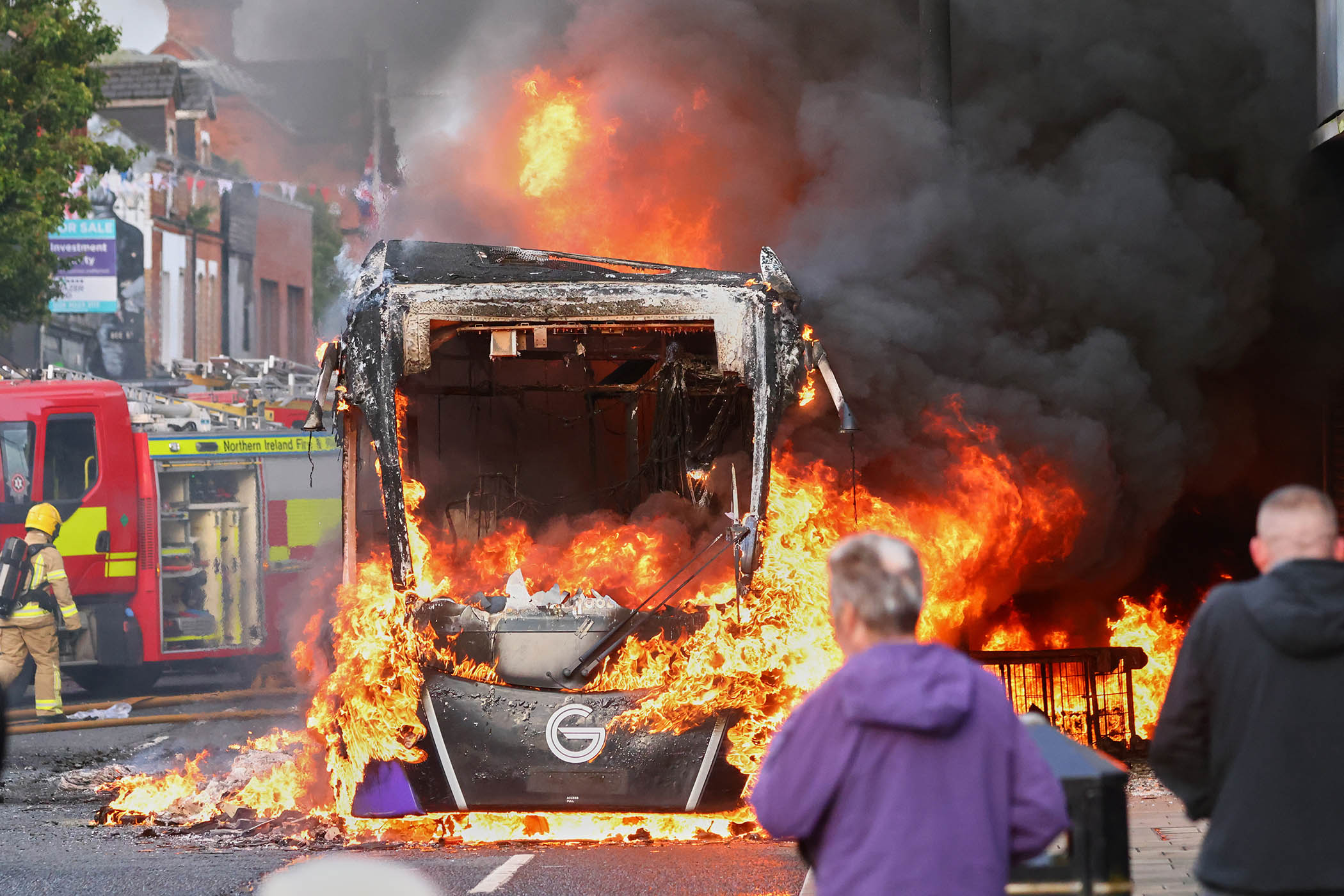
Remarkably for someone who must remember when it was our birthright, Will Hutton doesn’t mention affordable housing in “The argument” with Sharon Graham (“Disdain for the bond markets will soon scupper Andy Burnham’s ‘full-fat’ social democracy”, 17 May). Before a single new house is built on the green belt, progressive council tax bands should be imposed at the top end of the housing market (a bedroom tax for the rich, if you like). Combined with new rent controls this will force the foreign oligarchs to either let out the spare space, or to sell up, bringing down the value of that end of the market. Councils can then be empowered to raise money to purchase housing and turn it into multi-occupancy for working people.
Cries of rage from the rich should surely be drowned out by the cheers from that much bigger demographic who can now leave Mum and Dad and put a roof over their heads.
David Redshaw, Saltdean, East Sussex
I must confess I admire Sharon Graham’s faith in the working-class. (“Unite has a clear message for Labour: change or die”, 17 May). But if they are frustrated by a government that has raised the minimum wage so significantly, kept state pensions and wages above inflation, brought in protection for renters, built more council houses last year than in the previous 25 years, and, yes, bowed to backbench pressure and not cut benefits etc, what will inspire them to return to the Labour voting fold?
I fear that the appeal of Reform and others has nothing to do with the cost of living but a deep cultural resentment that life is somehow better somewhere else, in other nations or in a previous time.
Trevor Hopper, Lewes, East Sussex
I read with interest Andrew Rawnsley’s column (“How much longer can Starmer cling on to the crown while Burnham eyes the throne?”, 17 May) concerning the latest political circus in the government and Andy Burnham’s putative joust to get back to Westminster as soon humanly possible. It is Shakespearean in its convoluted political pistols at dawn, with an MP falling on his constituency sword, for the good of his party and indeed the country. The groundlings (aka the beleaguered public) are looking on askance at this replay of all that was wrong in the last government’s playbook. Yet here we are again, with weeks to get through before this pivotal byelection. I fully appreciate that the prime minister needs to learn new lines very quickly and seemingly he is prepared to fight on regardless. But even he must realise that the green room awaits and more than likely a permanent rest from his endless prime ministerial travails.
Judith A Daniels, Great Yarmouth, Norfolk
Faith in the jury system
Kenan Malik highlights the right of juries to follow their conscience, even where it means deviating from a strict reading of the law (“Juries must be allowed to follow their conscience”, 17 May). Also important, however, are cases where a genuine legal argument does unlock the door to an acquittal, but it takes the humanity of a jury to open that door.
Fifty years ago, an Old Bailey jury brought in unanimous not guilty verdicts on all 31 counts at the end of a 10-week trial of 14 pacifists and anti-militarists accused of conspiracy to contravene the 1934 Incitement to Disaffection Act. (The 14 had distributed leaflets to members of the armed forces telling them how they could quit.)
Newsletters
Choose the newsletters you want to receive
View more
For information about how The Observer protects your data, read our Privacy Policy
Both prosecutor and judge were clear from the outset that the idea of pacifists wanting to communicate with soldiers was so heinous that some of us needed putting behind bars for years. If there had been no jury then – in line with current government proposals – we would all have been convicted and many of us would not have walked free for some time.
Albert Beale, London N1
Paints and pigments
L Cornelissen & Son (“Inside London’s most colourful shop”, 16 May) though venerable is not unique. Here in Appleby, Cumbria, the artist Mark Hilsden has founded and runs the Colour Maker’s House. Not only does he make and sell his own paints but he runs hands-on workshops for artists and amateurs alike. As well as learning more about the history of colour, participants get to grind pigment from local stones and to mix and make paint. It was monks in the Lake District who refined an alternative blue to the expensive lapis lazuli of Afghanistan. The best graphite, Coniston copper, Cumbrian ochres and lead from the Pennines have all contributed to different colours for artists worldwide. Worth the visit.
William Wood, Maulds Meaburn, Cumbria
Cover-up vs anonymity
Louise Tickle’s anger at “how the MoD tried to cover up domestic abuse by a special forces soldier” (3 May) obscures the complexity of the problem. As a union representative, I have had to deal with victims wanting something done but not wanting people to know it was them. If confronted, the accused will know who made the accusations; if an entire team is rebriefed, then the accused can just shrug it off. If promotions or assignments are withheld without explanation, the accused will feel aggrieved and may actually increase the abuse.
On the other side, an accused has the right to be presumed innocent. I have been involved in cases where management decided that abuse occurred and ignored the facts. Anonymity in these cases was crucial to ensure fairness and to protect the innocent.
Jon Burden, London W14
The big tech wind-up
John Naughton’s dry “don’t panic – it may be all right” attitude to AI is both a delight and a refreshing antidote to rising fears. We particularly appreciated the “No data centers here” column (“Tech bros, beware: resistance to AI moves from theory to direct action”, 17 April. His conclusion about big tech’s ability to wind everyone up and then reap the results was apt.
Tony Price and Serena Nuttall, London E8
Ancient Greek
Reading Eva Wiseman’s Body Politics column (“The growing quest for penis enlargements”, 13 May), I’m with elderly Sophocles who, when asked about his sex drive, replied: “Most gladly have I escaped the thing of which you speak; I feel as if I have escaped a mad and furious master.”
Michael Fuller, Ampthill, Bedford
Photograph by Joanne Coates/Bloomberg via Getty Images