10 Arthur Jafa at Sadie Coles, London
The films of the LA artist Arthur Jafa are made to continue unfurling inside your head. This show by the sound-and-vision genius centred on the Who’s Pete Townshend, slowed and shifting through untold emotions in a fragment of footage from the 70s, and the wild movements of Prince as he dances across a stage in the 80s. One becomes a biblical Man of Sorrows, the other a spinning wheel of nonstop motion. Unforgettable works of art made in homage.
9 Helen Chadwick: Life Pleasures at Hepworth Wakefield
Tough, forensic, unflinching in her focus on sex and death, flesh and blood and the strangeness of the human mind, Helen Chadwick was the metaphysical poet of contemporary art. Dead at 42, she left barely two decades of work, much of it on show in this terrific survey, from the subversive costumes, wild self-portraits and photocopier bestiaries, to films and sculptures satirising the beauty industry and domestic drudgery. A brief life that changed contemporary British art.
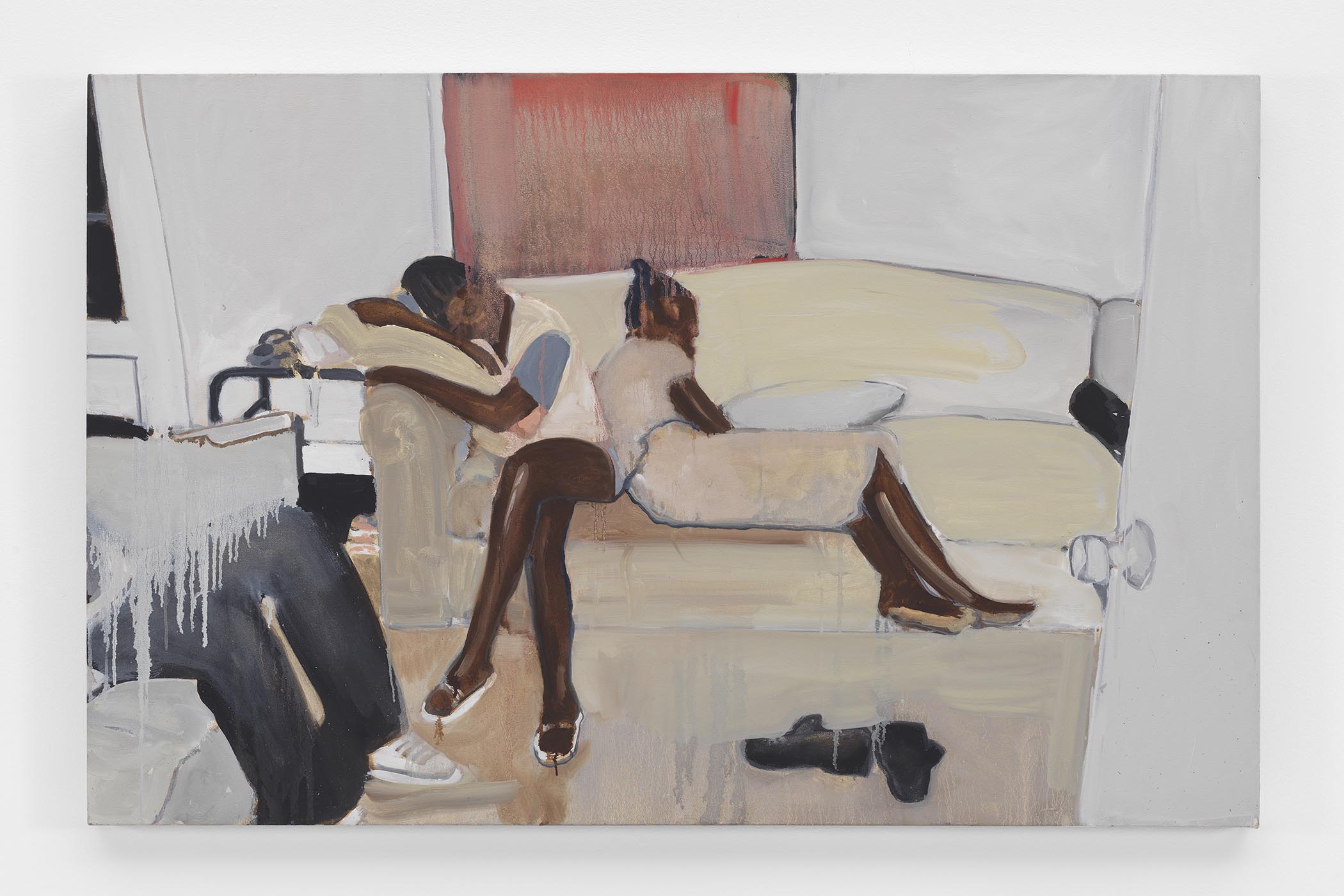
Noah Davis at the Barbican Art Gallery. Main image: Turner & Constable at Tate Britain
8 Noah Davis at the Barbican, London
A decade after his untimely death at 32, the Barbican put on one of the most inventive and haunting shows of the year: the paintings of the LA artist Noah Davis. Deeply considered images of Black people in everyday scenes – swimming pools, sunlit streets, scrubby backyards, the basketball court at dusk – they are original, unsettling and constantly allusive to the history of art all the way back to Uccello and Manet. Mysterious and highly imaginative, these works stayed in the mind long after the show was over, releasing intense visual pleasure.
7 Marie Antoinette Style at the V&A London; until 22 March
Astonishing that no show has been devoted to the life of Marie Antoinette in Britain until now, but this one makes up for it. A Versailles of exhibits in mirrored light or spotlit darkness, it presents staggering 18th-century fashions – two-tone sunset dresses, gowns embroidered with flowers – alongside rare garments that survived her downfall, including Antoinette’s many silk shoes and the chemise she wore in prison before the guillotine. History embodied in objects, images and letters; a dead queen brought back to life.
6 Wayne Thiebaud: American Still Life at the Courtauld, London; until 18 January
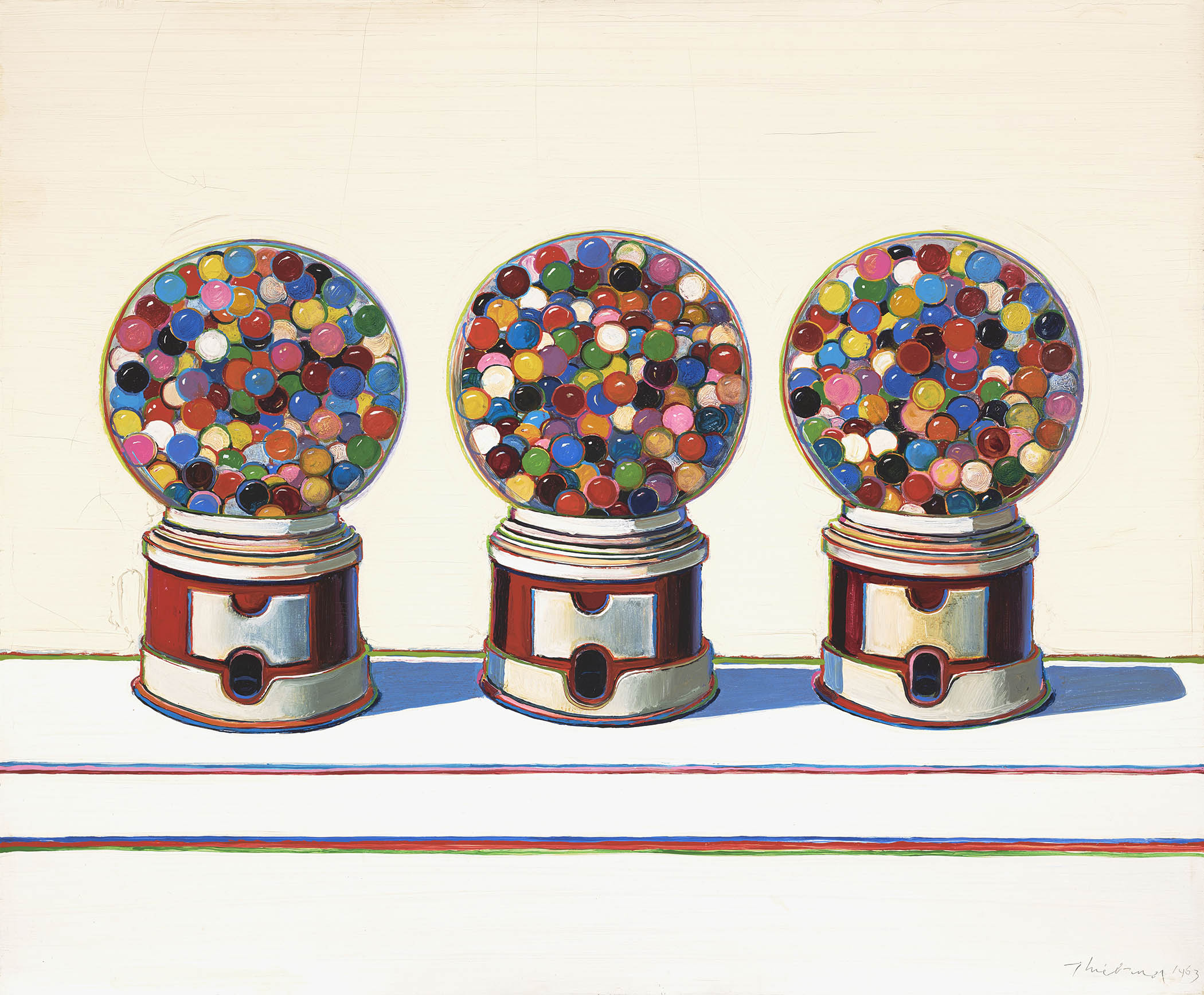
‘The pigment radiant as lemon curd’: Wayne Thiebaud’s Three Machines, 1963
A brilliantly condensed show of the 20th-century American master painter, poet of the milkshake, ice-cream cone and chocolate sundae, of the still life with cherry pie and damn fine cup of coffee. Luscious visions of candied apples, peppermint sticks and slices of lemon meringue pie, receding into the pristine blue air of the chiller cabinet, represent a kind of long-gone paradise. The first museum exhibition of his breakthrough paintings in Britain is irresistibly expressive, the pigment radiant as lemon curd, stiff or deliquescent as icing and yet intensely ordered in these almost abstract compositions.
Newsletters
Choose the newsletters you want to receive
View more
For information about how The Observer protects your data, read our Privacy Policy
5 Fiona Tan: Monomania at the Rijksmuseum, Amsterdam
An enthralling rewiring of the museum’s collection in terms of a short-lived 19th-century diagnosis: monomania, where patients are apparently consumed by a single obsession. Opening with Géricault’s incomparably moving “mad” portraits, and including Goya’s etchings, Messerschmidt’s busts of the insane, numerous period photographs and Tan’s own superb film installations, this was the most stimulating journey into the mind, as expressed through images, of 2025.
4 Bridget Riley: Learning to See at Turner Contemporary, Margate; until 4 May
A chance to see Riley’s art against the ever-changing skies and tides of Margate, where Turner painted. Light and dazzle, dark and shadow, shift, stasis, shimmer and undulation, everything that can be achieved with line, shape and colour on a flat surface. On show are 26 ‘‘visual events”, as Riley calls them, anthologising her 60-year career. An irresistible seaside pilgrimage.
3 Siena: The Rise of Painting 1300-50 at the National Gallery, London
The drama and mystery of Sienese painting finally received its due in the National Gallery’s long-awaited show of magnificent pictures, glowing in theatrical darkness. This was art’s golden moment, when bodies began to step into motion and faces became newly expressive; when stories began to stream across exquisitely coloured panels. Jointly organised by the Met in New York, and including masterpieces by Duccio, Martini and Lorenzetti, leading up to the National Gallery’s own Wilton Diptych, this was the revelatory blockbuster of the year.
2 Hiroshige: Artist of the Open Road at the British Museum, London
The first Hiroshige show ever mounted by the British Museum, with its unparalleled collection of his Edo woodblock prints. Snow over Fuji, boats in full sail, eagles in flight, the teeming shower over a Tokyo bridge: all the Famous Views, as they’re known, are spectacular. Night skies blossoming with fireworks, miniature figures navigating icy highways or attempting to cross plunging ravines, these brilliant little prints took us deep into Japanese ritualised viewing.
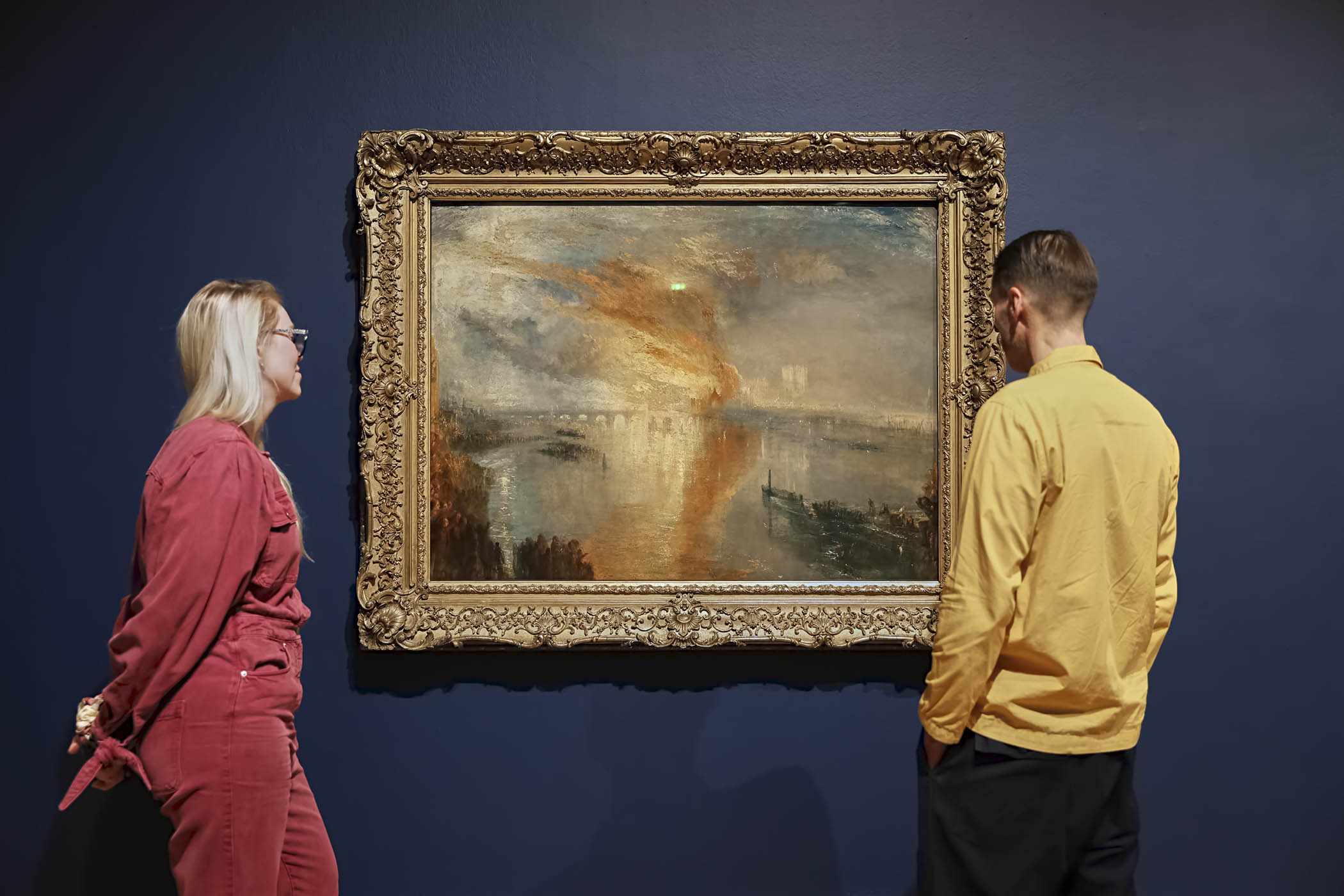
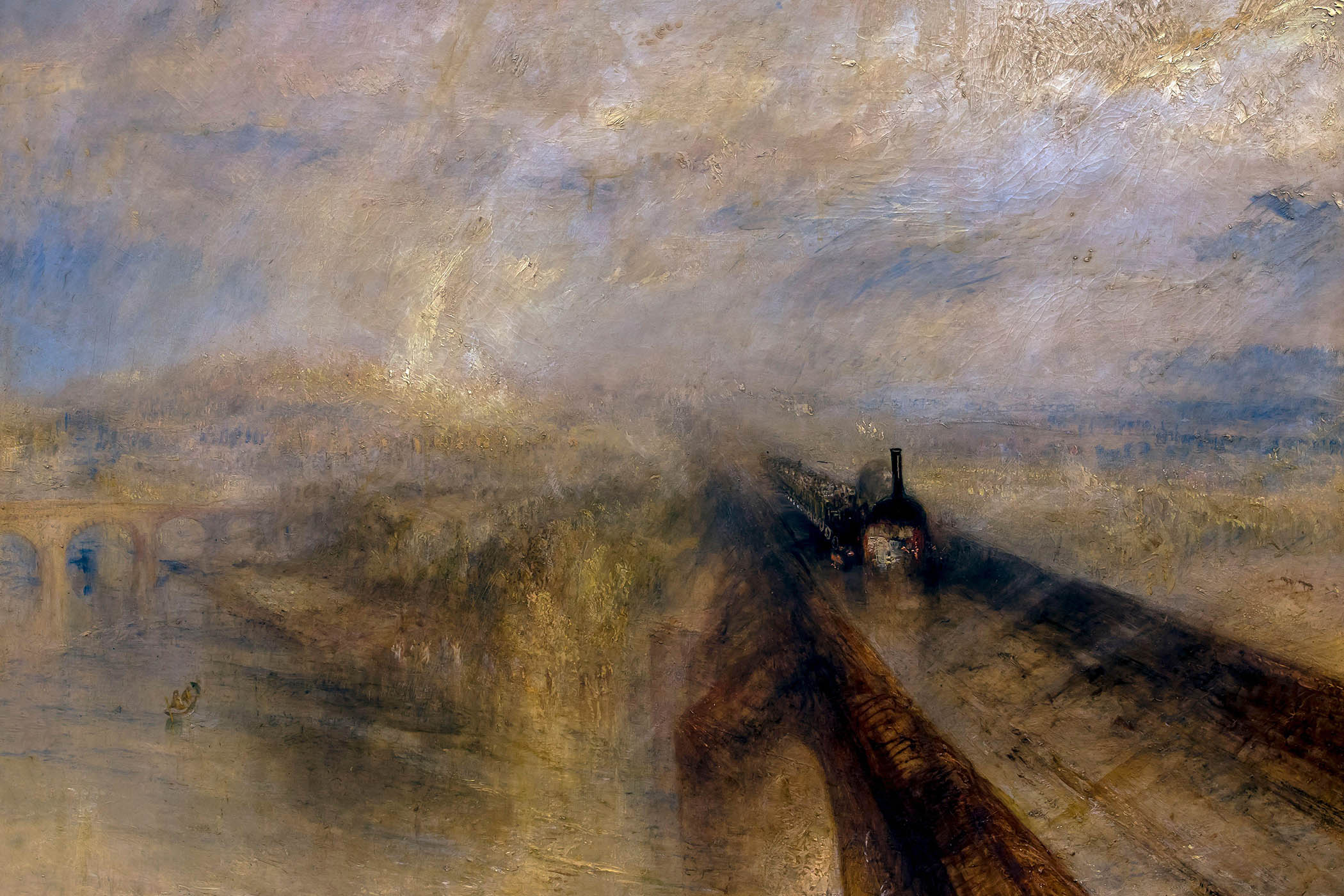
1 Turner & Constable: Rivals and Originals at Tate Britain, London; until 12 April
A thrilling alignment of these great art stars, born a year apart. From the tiniest sketchbooks, glowing with suns and moons, to the awe-inspiring 6ft canvases, exhilarating and radical, this superb show manages to unite two entire careers with such drama and sympathy as to demonstrate how each altered English art purely through the evocation of landscape. Go if you possibly can.
Turkey
Theatre Picasso
Tate Modern’s muddled exhibition, with its tedious theorising and tendentious design, is a disappointment. The opposite of what a show should be, it actively obscures the works of art.