
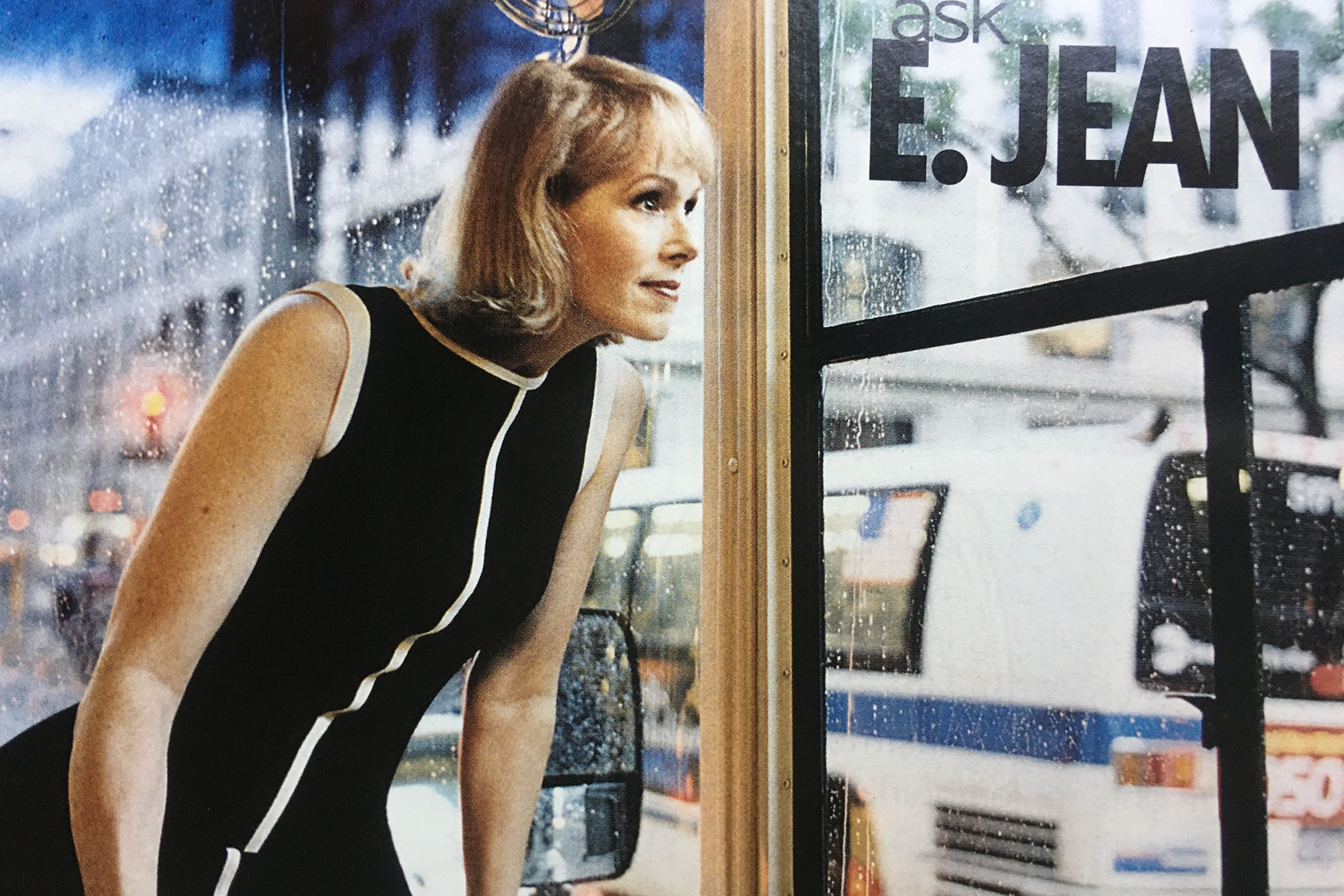

Certain costumes are the hallmarks of Brazil’s carnival: among the blocos, parties that flood the streets every February, you will find a sea of cupids, pirates and ballerinas.
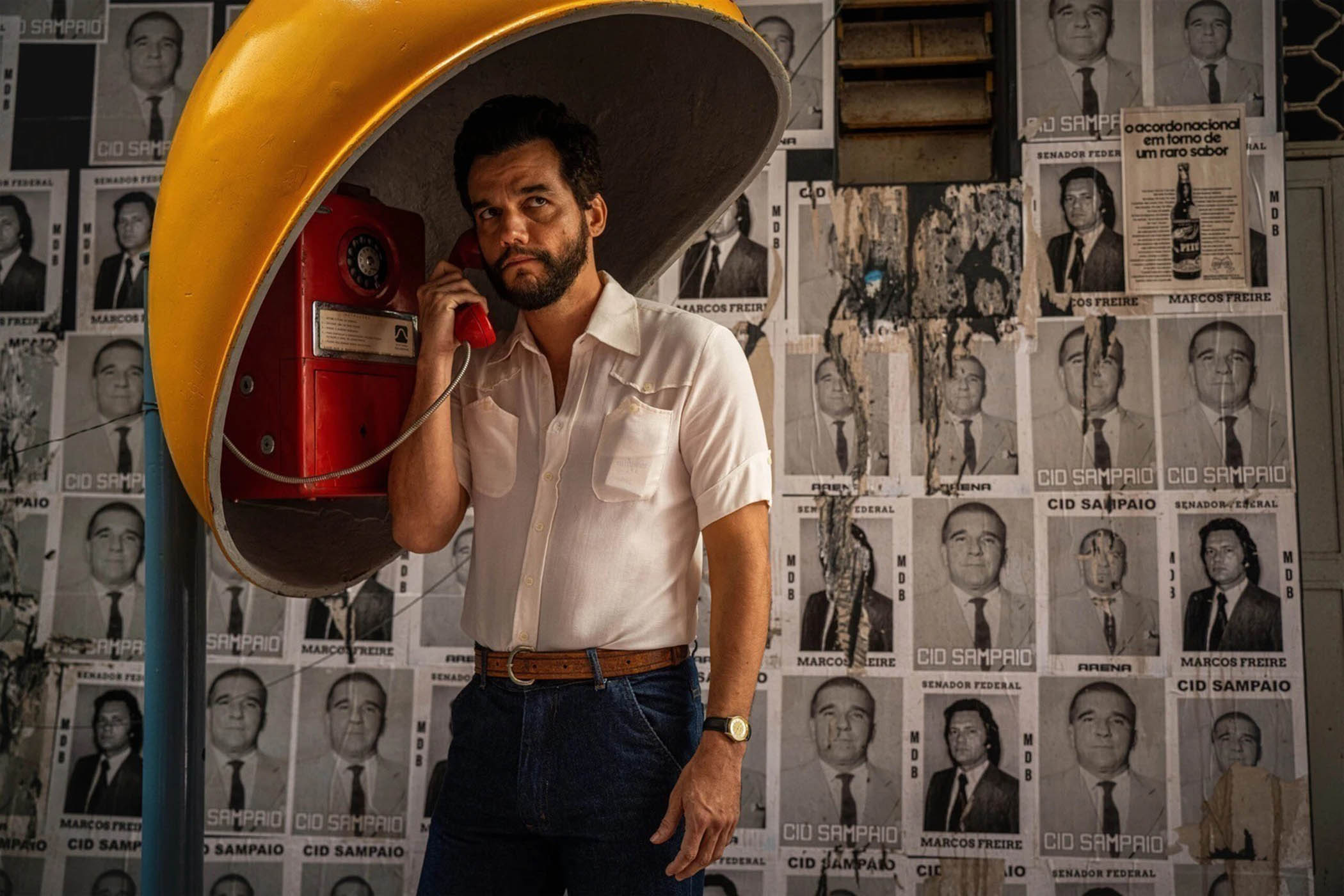
This year, however, some of the most popular outfits could prove baffling without context: hairy legs, floral dresses and bright yellow public telephone booths. These are all nods to The Secret Agent, only the second Brazilian film to be nominated for the Academy Award for best picture. I’m Still Here missed out on the top prize last year but took home best international feature, sparking celebrations across the country.
Now the momentum is building again. In addition to best picture, The Secret Agent has secured nominations for best international feature and best casting, while its star, Wagner Moura, who found fame playing Colombian drug lord Pablo Escobar in the Netflix series Narcos, is up for best actor.
This haul of nominations is part of an unprecedented wave of international acclaim for Brazilian cinema. Apocalypse in the Tropics competed for a Bafta for best documentary last month, and The Blue Trail, which is set to be released in the UK next month, clinched the grand jury Silver Bear prize at the Berlin international film festival in 2025.
Yet even as the streets embrace these latest hits, it is still common to hear Brazilians claim, with a grimace, that they “don’t watch national cinema”. International recognition might finally change their minds, offering an ironic antidote to the complexo de vira-lata, or “mutt complex” – a term coined by the playwright Nelson Rodrigues to describe the Brazilian tendency to believe that anything from abroad is inherently superior. “It’s a beautiful moment of reclaiming pride in who we are,” says Débora Ivanov, a veteran producer with almost 50 credits to her name, her eyes bright with enthusiasm.
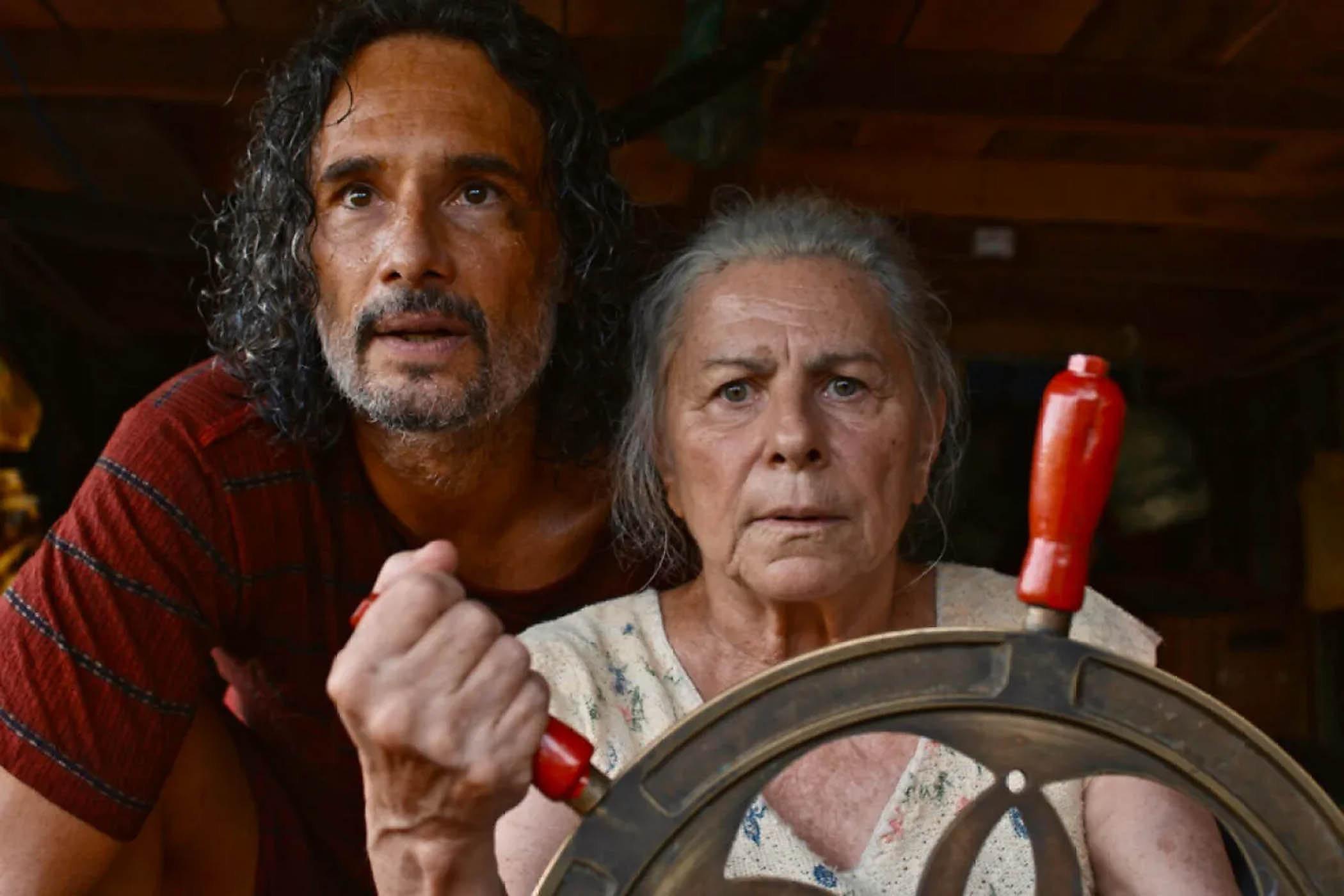
The Blue Trail
Several factors explain this explosion. For one, the awards circuit has undergone a significant shift since the #OscarsSoWhite campaign of a decade ago. In 2020, the South Korean production Parasite became the first non-English language film to win best picture. In his acceptance speech, its director, Bong Joon Ho, famously noted that audiences would discover a “whole new world” if they could just get past the “one-inch barrier”of subtitles. Last year, the Academy of Motion Picture Arts and Sciences expanded its voting pool to 10,143 members – a nearly 40% increase since 2016, though the demographic remains predominantly male and white and hails from the global north.
There is also a burgeoning appetite for Latin American culture, epitomised by the omnipresence of the Puerto Rican musician Bad Bunny. “When traditional cultural powerhouses appear more fragile in the eyes of the world, it is only natural that others step into the spotlight,” says Ana Carla Fonseca, an economist who specialises in the creative economy.
But timing alone is not everything. “Without quality, no cinema can break down barriers and win over an audience,” says Ilda Santiago, director of the Rio international film festival.
Since Brazil’s return to democracy following the military dictatorship of 1964 to 1985, incentive cultural policies have flourished, establishing dedicated funds and regulatory bodies. This infrastructure has matured into a sophisticated system, proving its resilience even during the hostile years of Jair Bolsonaro’s far-right administration of 2019 to 2022. Bolsonaro declared his desire to “behead” the national film agency, Ancine, but its deep-rooted legal framework made it a fortress difficult to dismantle.
Moreover, much of the success of contemporary Brazilian films stems from their ability to capture the global political zeitgeist. Both I’m Still Here and The Secret Agent are set during the authoritarian times of military dictatorship, a period for which Bolsonaro, a Donald Trump ally, often displayed nostalgia. The former is rooted in the true story of a family of a persecuted politician, while the latter explores the corrupt connections between state repression and the business elite.
Newsletters
Choose the newsletters you want to receive
View more
For information about how The Observer protects your data, read our Privacy Policy
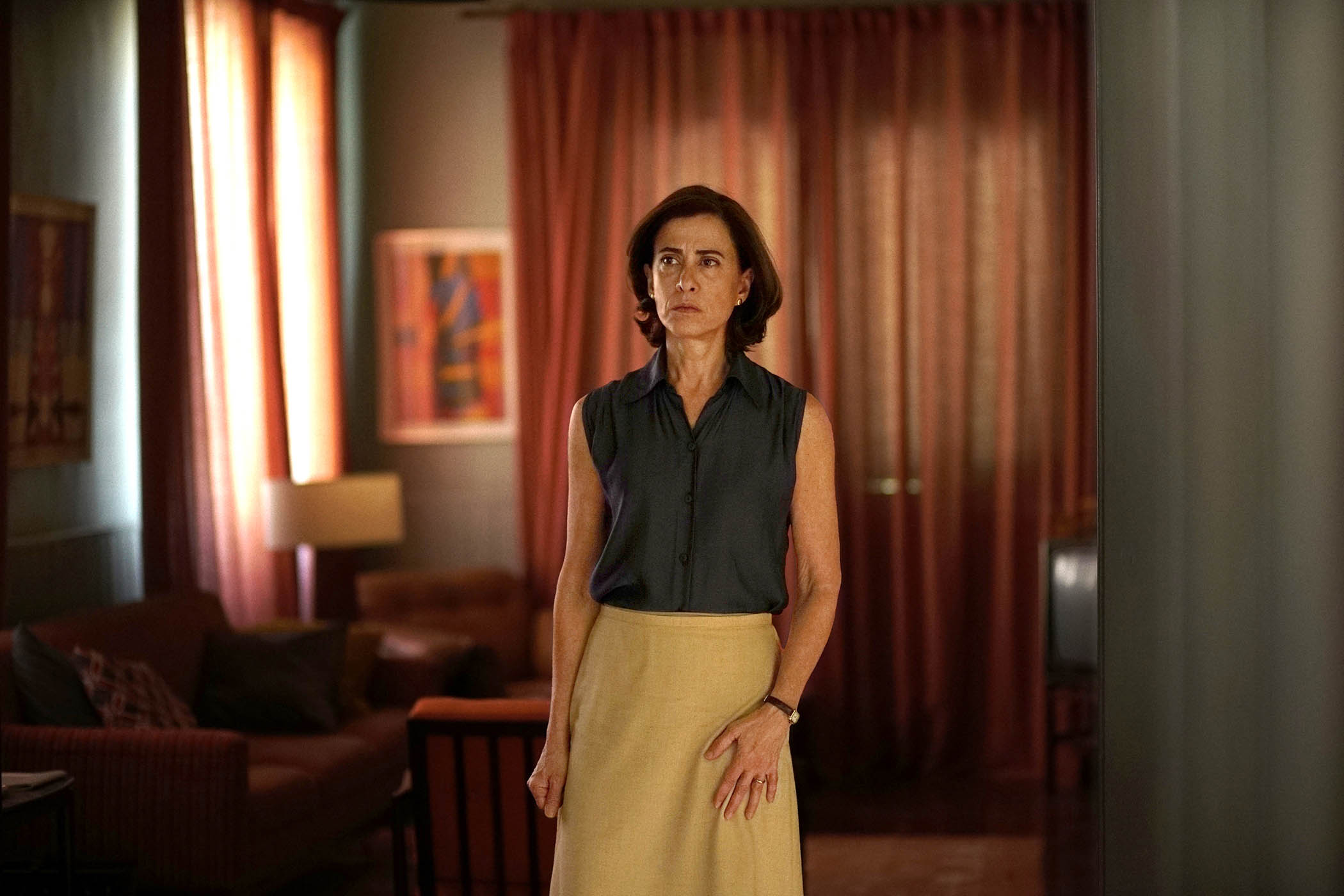
I’m Still Here
Brazilian cinema has also been tackling other urgent global anxieties, such as ageing: The Blue Trail paints a dystopian future for the elderly against an Amazonian background. “When a work is truly universal, its origin becomes secondary,” says the film’s director, Gabriel Mascaro. “The specific context is simply the ‘flavour’ and the freshness that makes it original, because it is rooted in something concrete, and very beautiful.”
Bringing these universal themes to the global stage has been a deliberate strategy since 2023, when the centre-left government of Luiz Inácio Lula da Silva took office. Under his administration, the audiovisual industry was integrated into ApexBrasil, the national trade and investment promotion agency. The move signaled a shift: film was no longer viewed through a purely cultural lens, but as a strategic export. In the past two years, international film cooperation agreements have surged by 150%, capitalising on the increased budgets and broader market reach afforded by co-productions. Both I’m Still Here and The Secret Agent are the fruits of such cross-border collaborations.
Still, scepticism remains as to whether Brazil can convert this fleeting success into a permanent, structural cycle. The domestic hurdle is relevant. In 2025, 203 Brazilian films were released, but more than half failed to reach even 1,000 viewers, according to data from Filme B Box Office. To combat this, the government recently mandated “screen quotas”, making it compulsory to show domestic feature films across all cinema complexes.
The tide, however, is turning. In early 2023, Brazilian cinema’s market share had plummeted to a record low of about 1.4%, battered by the lingering effects of the pandemic and political neglect. By last year that figure had risen to about 11%. “Brazil still knows very little of itself, but it is beginning to discover its own image with interest and fascination,” says Fonseca. “We need to consider cultural industries as industries, as they are. We have always had a vibrant and diverse production. International recognition may be the key to finally consolidate that at home.”
Photographs by Neon via AP, Palace Films, Mongrel Media