


Skycutter, the UK drone manufacturing company based in the East Midlands, is embarking on a new round of fundraising that may lead to control and operation of the company moving outside Britain.
The company has been working with the Ukrainian armed forces over the past four years to convert its civilian drone technologies into weapons systems. It has been highly successful in this effort, so much so that it recently won an all-comers competition to supply an initial batch of 2,500 drones, worth around £15m, to the US army. That order is expected to be followed later this year by at least two further batches of drones, worth more than £30m and £60m respectively.
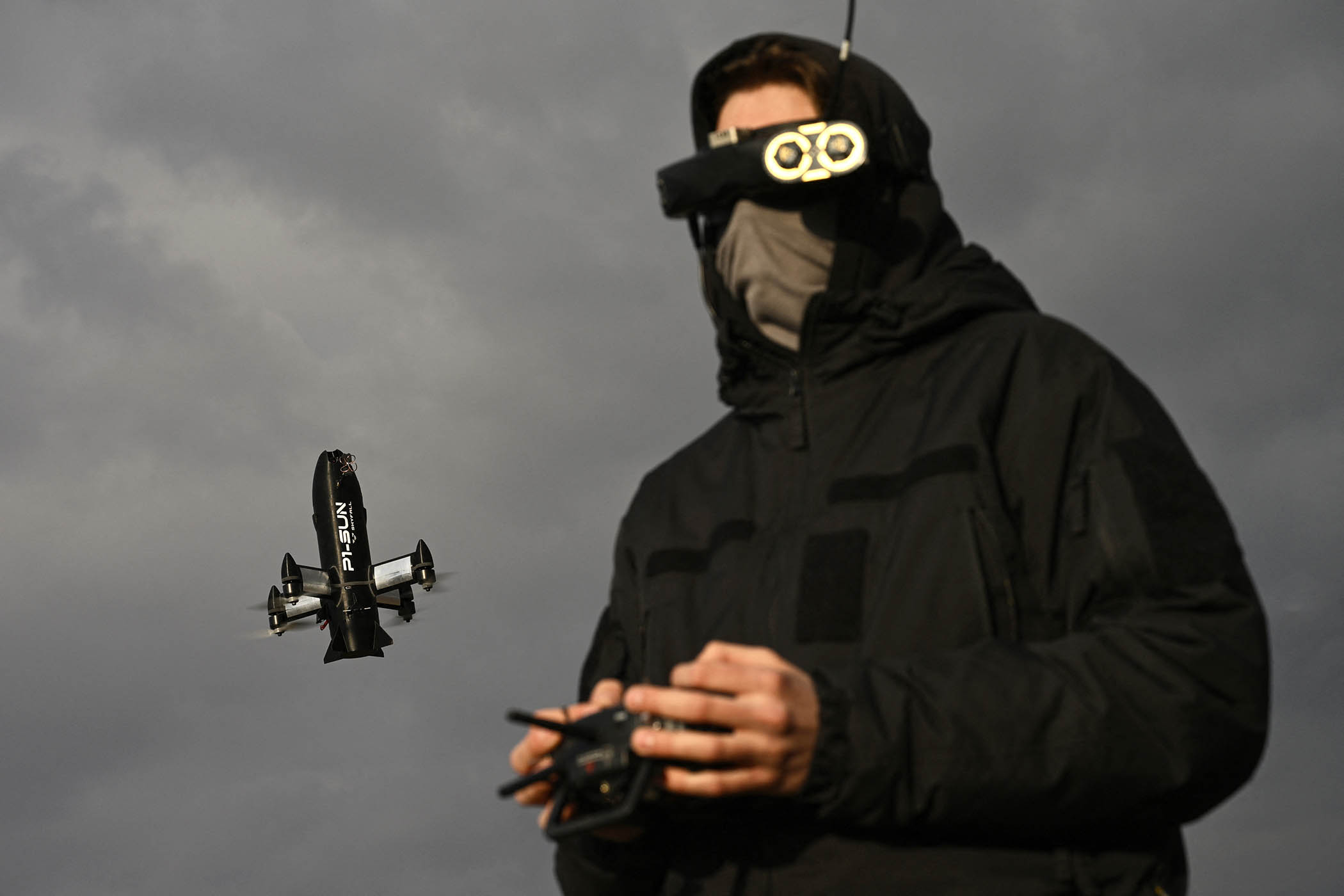
Skycutter’s collaboration with Ukraine’s SkyFall allowed it to test technology that helped the company win the US competition, including the Shrike 10-F, a 10in first-person-view (FPV) drone that can be operated via fibre-optic cable.
The US army order will require Skycutter to move at least part of its manufacturing operation to the United States. At the same time, there has been substantial interest in Skycutter’s drones from Gulf states, following the attacks by Iran during the current war, as the drones can shoot down Iranian Shahed drones.
Analysts say the company’s effort to raise capital for expansion could lead to the company being at least partially controlled, or even potentially taken over, by wealthy Gulf Arab states, or a larger US defence group.
Meanwhile, the UK Ministry of Defence has not yet placed any orders for Skycutter products, nor funded the development of any of the technology. “We are waiting for the UK’s defence investment plan (DIP),” said a company spokesman, speaking on condition of anonymity. “We are hopeful of winning work in the UK, but we are not certain of anything.”
The strong international interest is forcing the company to look at where it locates its operations, according to the same spokesman. “The US contract requires us to onshore [into the US] manufacturing of the third and largest batch of drones, and any orders from the Gulf are likely to require participation of local companies or transfer of manufacturing,” he said.
The amount of capital being sought is in the tens of millions: small fare for a well-capitalised Gulf sovereign wealth fund or US defence giant. Currently, Skycutter is owned and controlled by a group of UK-based private investors, who have funded its expansion so far, according to the company spokesman.
Skycutter is also concerned that even when the much-delayed UK DIP is published, it could still miss out. “It seems clear that the lengthy debate on the DIP means that there is not enough funding for the much-needed expansion of the UK military,” he added. “And even when the DIP comes, large UK prime contractors could well muscle out SMEs.”
The UK’s pace of rearmament is slow compared with that of Nato allies such as Germany or Poland. With the Iran war adding to experience in Ukraine that drones are transforming the battlefield, Skycutter worries that the UK military is falling behind in understanding and tackling the new threats. “We are worried that UK forces could be sent out to fight against these weapons, with no ability to protect themselves. We have seen the impact of drones in Ukraine, and it’s absolutely lethal.”
Newsletters
Choose the newsletters you want to receive
View more
For information about how The Observer protects your data, read our Privacy Policy
Photograph: Genya Savilov/AFP via Getty Images