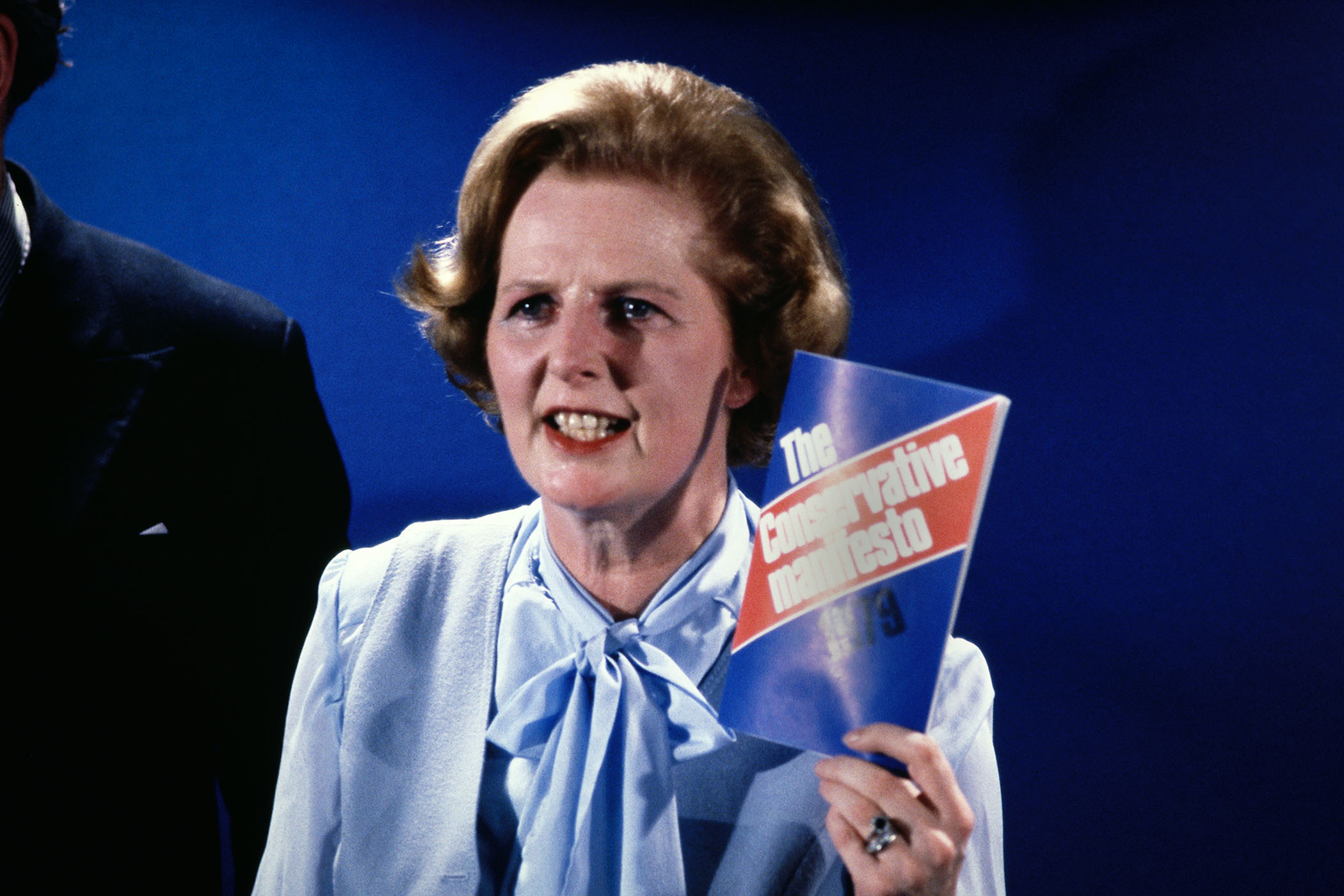


The buildup to last week’s World Cup match between England and Argentina revived memories of the Falklands War. In 1982, Margaret Thatcher was the most unpopular prime minister since records began. But then, in the words of the title of one of Joseph Heller’s novels, “something happened”.
That something was the way a US-assisted victory in the war changed Thatcher’s fortunes. Despite rapidly rising unemployment, to more than 3 million in 1986, Thatcher went on to win the 1983 and 1987 elections.
There is nothing new about the degree of unpopularity that Keir Starmer has suffered. But he has not been as lucky as Thatcher. He will tomorrow be replaced in No 10 by Andy Burnham, whose coronation is the outcome of “a year of plotting”, according to a close observer of the campaign.
Burnham is supposedly better prepared for government than Starmer. We shall see. The problems he faces, both nationally and internationally, are familiar and formidable.
These problems go far back to the deindustrialisation associated with Thatcherism, the lingering damage of the 2008 banking crisis, the inappropriate response to that in the austerity imposed by George Osborne in 2010 and, yes, the self-harm of Brexit.
We are told by members of the Burnham team that he intends “to hit the ground running”. One sphere in which he could make good use of the first 100 days is on policy towards the EU. He is on record as hoping that we shall return to the bloc in his lifetime. It would be good if he could revise that aim to “in the lifetime of this parliament”.
However, if he is not feeling quite that brave, there are smaller steps he could take.
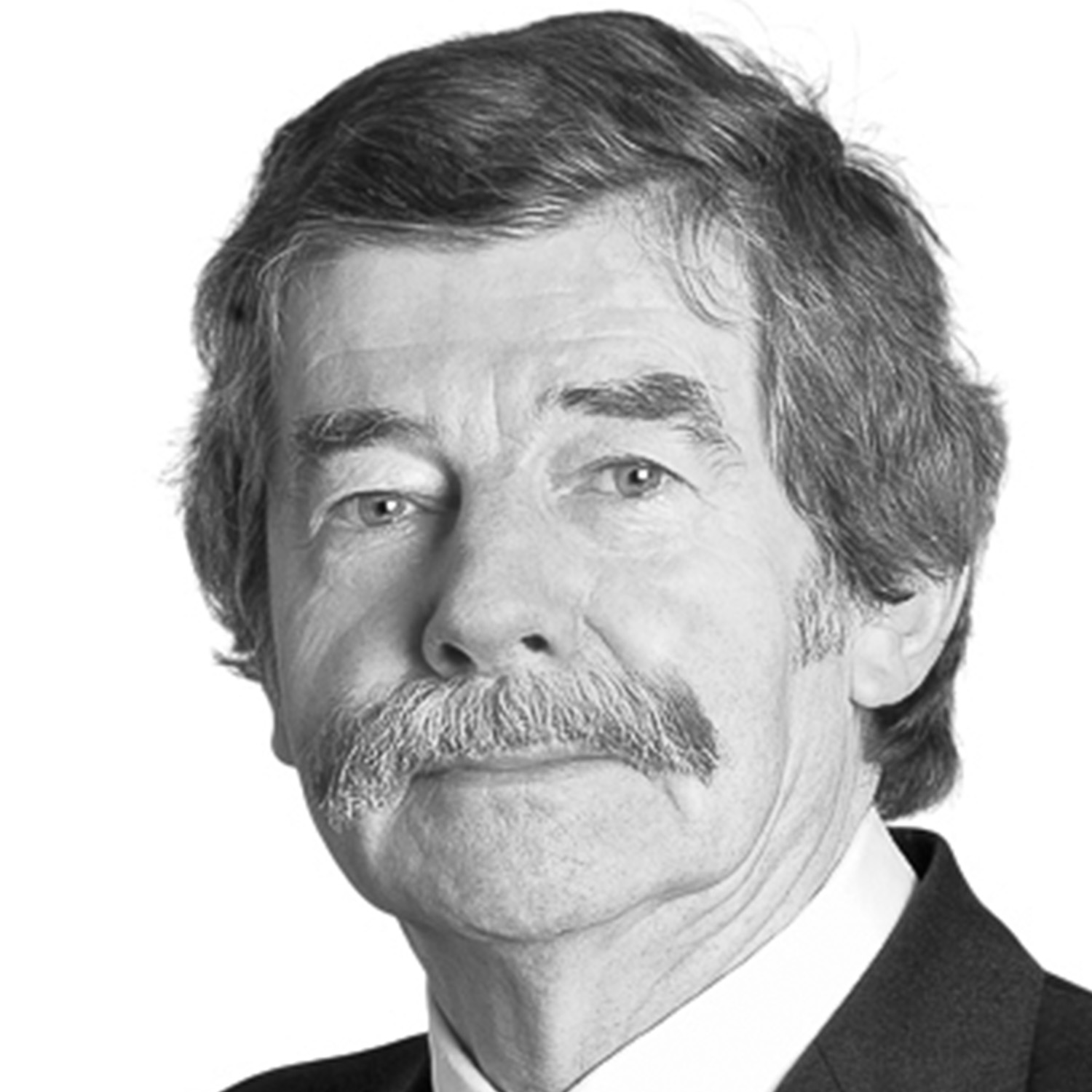
Brian Unwin, former president of the European Investment Bank, suggests in an article for the OMFIF thinktank that a resumed relationship with the bank would be a good way for the Burnham government to boost productivity and economic growth. As Unwin points out, investment has suffered since the 2016 referendum and “this exacerbates the UK’s chronically poor productivity performance, which in turn is a major contributor to the current loss of jobs, particularly among young people”.
Unwin, in common with The Observer, would like a full-scale return to the EU. But he says that even without that, a closer relationship with the EIB is feasible. As its former president, his voice should carry weight with the new government.
His plan must surely be welcome to the squad of Labour MPs – the Reindustrialisation Research Group (ReRG) – who want to ensure Burnham honours his pledge to place reindustrialisation as a central part of his economic strategy. Perhaps this would go some way to undoing the damage Thatcher wrought.
Newsletters
Choose the newsletters you want to receive
View more
For information about how The Observer protects your data, read our Privacy Policy
What are your thoughts on this? Send us a letter to letters@observer.co.uk
Photograph by Bettmann Archives via Getty Images