A wise friend recently told me this about bereavement: that the only way through it is through it. Swerve it, ignore it, bury it – employ any strategy you like not to deal with it – but be aware that whatever you do, it will be waiting down the road for you.
Perhaps she recognises a highly accomplished avoider when she sees one. In these very early days of mourning my husband, my default position, whenever anyone is solicitous, is a firm “I’m fine, thanks”.
Generally, that vice-like grip of denial, keeping me nicely in control, has been the safest way of getting by. Keep the grief contained, smile, reassure everyone who loves you that you’re OK. Give them what they want to hear.
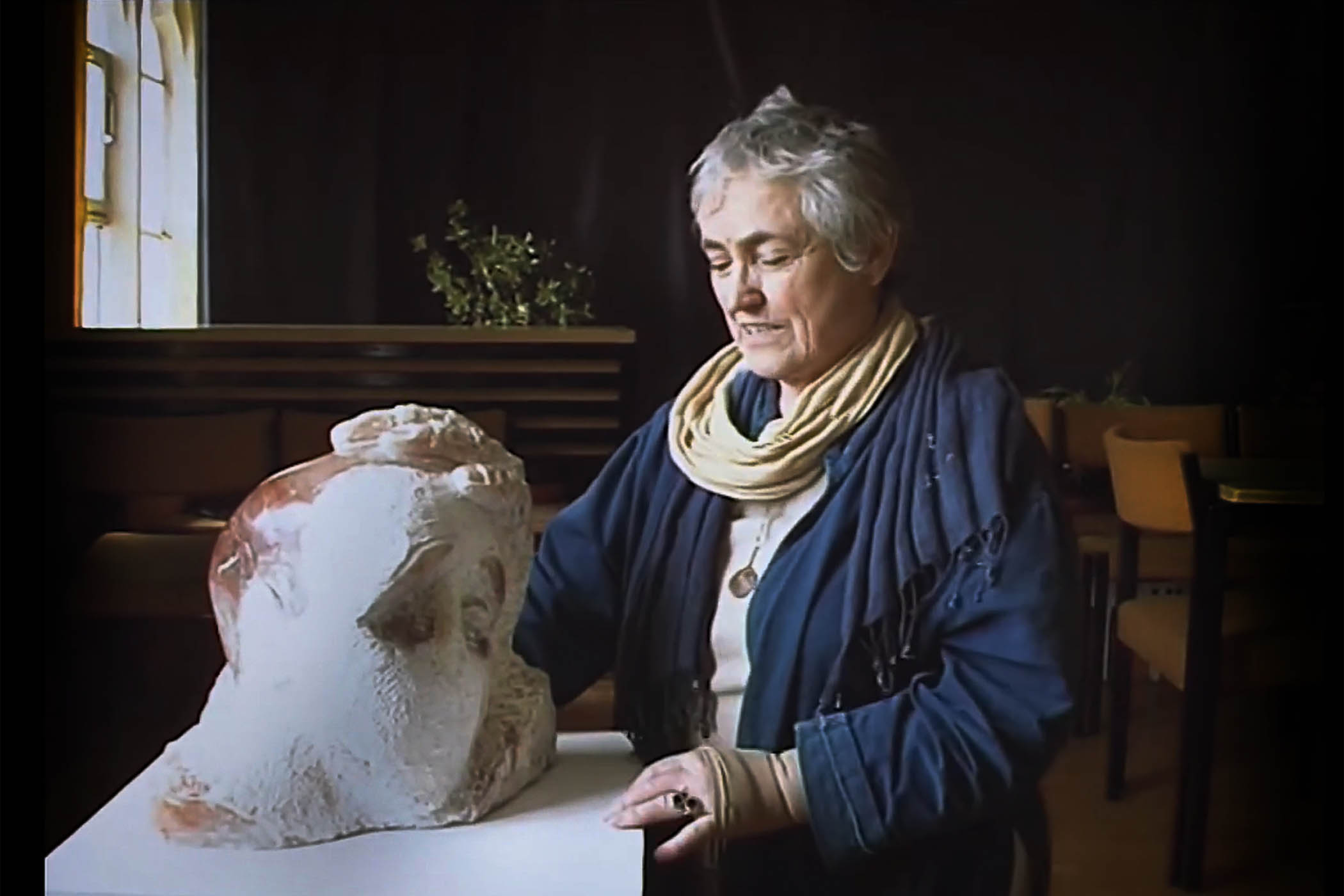
In this I am not alone. Denial is most people’s initial response to loss, an established stage in bereavement. Another friend, a professional in the field of grief, put me on to the work of the late sculptor Jean Parker, pictured above.
Parker had suffered many blows, including the death of her son in a climbing accident, the death of her best friend, and divorce. On top of that came a cancer diagnosis. She went on retreat, where she was handed some clay every day and asked to express her feelings with it.
The healing this brought resulted in an exhibition called Bald Statements, for which she carved eight stone heads, each embodying a stage of grief she went through: denial, disbelief, questioning, anger, depression, acceptance, healing and peace. Her explanatory video, now 20 years old, remains a profound expression of intense loss.
Head one has a face that is entirely shiny, smooth, blank of any features: the mask that proclaims you’re all right and protects you against intrusion. Head two is when the mask slips and the reality is pain. There is a hole through the stone like Edvard Munch’s The Scream – a scream that comes from the bottom of your boots when you realise how terrible things are.
Loss is universal. As it is for many people, mine is slightly complicated. Like a psychological train crash, my husband’s death piled at high speed into other bereavements I hadn’t yet processed – primarily the loss of my own identity after I broke my neck, but also the loss of the person my husband was when he developed dementia. I mourned the removal of self, of agency, of rationality, of conversation.
Those first two heads of Parker’s speak vividly. I’ve perfected a public mask for years, howling silently in private. Too blocked, too busy just coping – surviving – to get further through the stages. Increasingly, I acknowledge that truth.
I tried counselling once: after five hourly sessions at £100 a pop, during which I did nothing but weep inconsolably, I decided it was a pricey way of getting damp. I was too busy fighting to be accepting.
Newsletters
Choose the newsletters you want to receive
View more
For information about how The Observer protects your data, read our Privacy Policy
Somehow, though, the death of a partner you love is so final, so shocking, that it forces you to reappraise everything. I have a new sense, reluctantly, that it’s time to express anger, regret and pain – all feelings the bereaved are entitled to. It’s time to move on. I have also found myself looking back with gratitude.
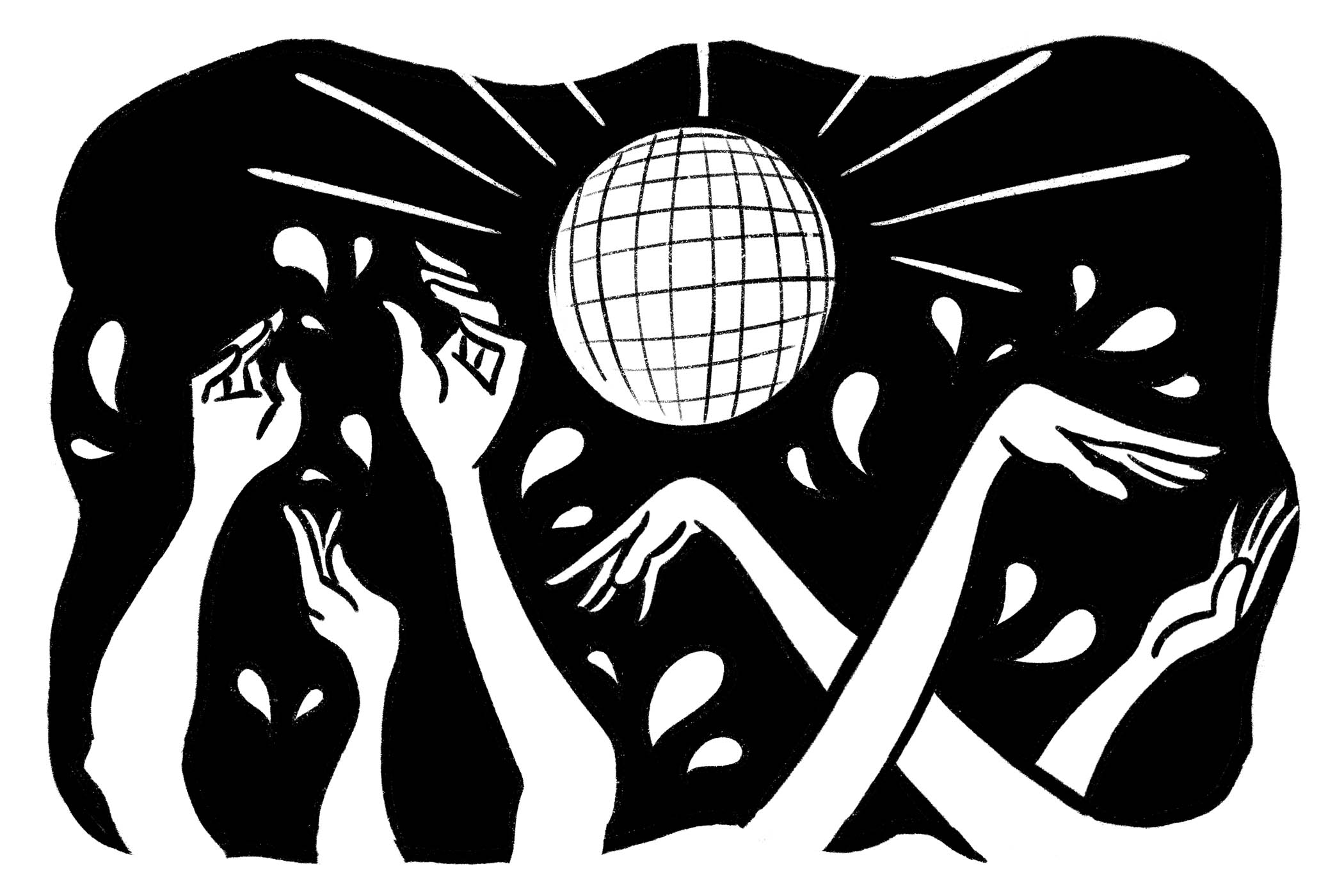
Great loss makes you appreciate what you’ve had. It informs why we should all live as hard as possible every single day we can. To achieve, to enthuse, to dance, to look outwards with positive eyes. As the poet Mary Oliver puts it: “Tell me, what is it you plan to do / with your one wild and precious life?” At least I tried. Even if I say so through tears.