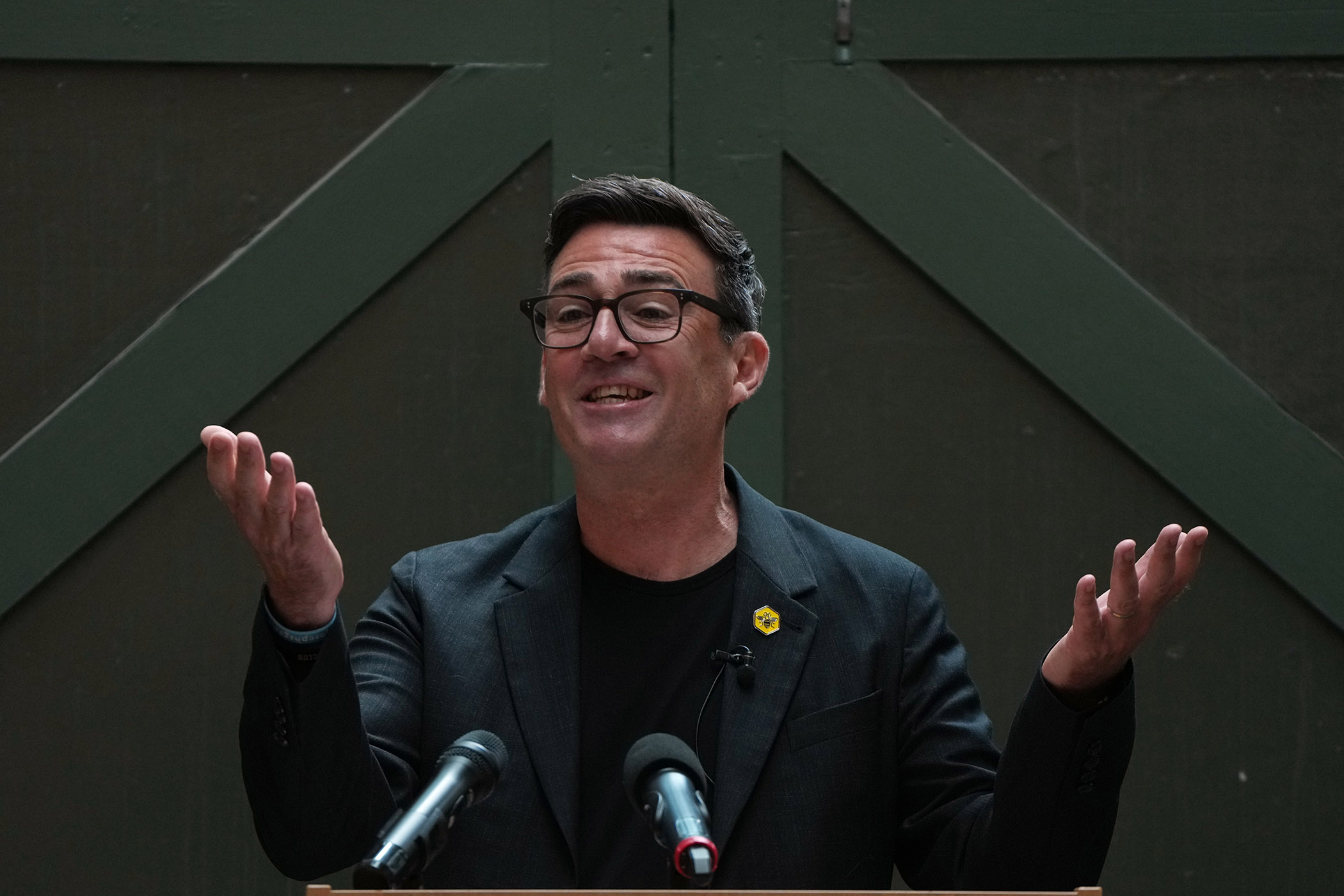
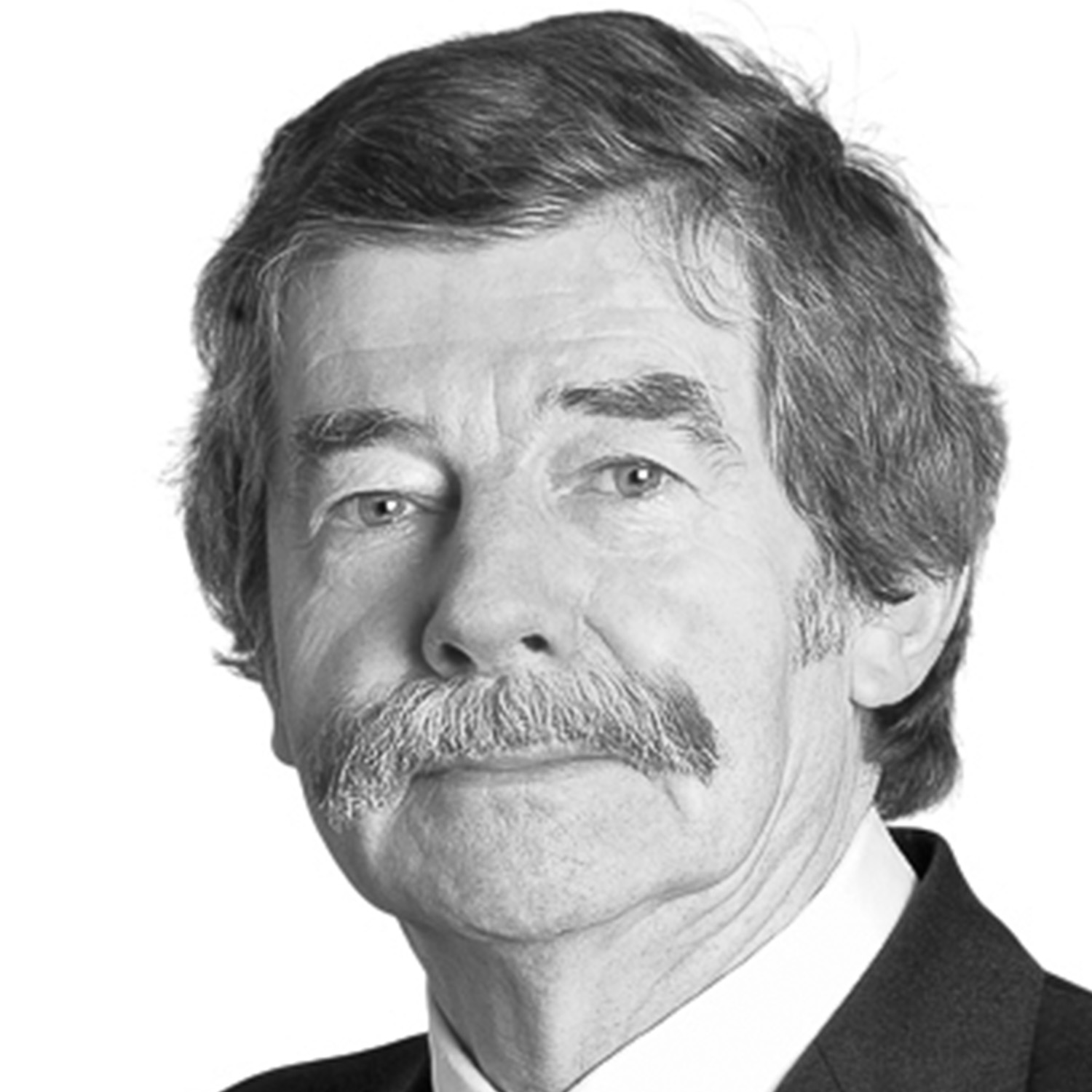


In Ancient Rome, there were two rulers for a time, known as a duumvirate. Now, in the UK, for a few weeks at least, we have our own duumvirate: Sir Keir Starmer and the man who is in the process of deposing him, Andy Burnham.
Regular readers will know that, with the exception of his actions with regard to Ukraine and his opposition to Trump’s attempt to involve us in his deluded war on Iran, I have been fairly critical of Starmer. He and his chancellor, Rachel Reeves, have made multiple missteps on the home front – not least on economic policy and the “red lines” they invoked with regard to undoing the damage wreaked by Brexit. But he does not deserve the “hatred” supposedly expressed for him “on the doorsteps” during the Makerfield byelection.
The other member of this temporary duumvirate, Burnham, is already attracting would-be advisers like bees to a honeypot. He has announced that he needs 10 years to sort the country out. Now, where have I heard that before? Surely it could not have been from Starmer, as recently as two years ago?
Burnham also echoes Starmer in his emphasis on growth. After many years of observing various governments go on about growth, I have come to the conclusion that they are not very good at it. But, my goodness, they can be successful at championing measures that actually inhibit growth, and dampen what John Maynard Keynes called the “animal spirits” on which so much growth depends.
For some politicians and economists, the Treasury itself is a prime culprit when it comes to blocking growth
For some politicians and economists, the Treasury itself is a prime culprit when it comes to blocking growth
For some politicians and economists, the Treasury itself is a prime culprit when it comes to blocking growth. Once again we hear that there should be a separate Ministry of Economics of some kind, concentrating on growth as opposed to penny-pinching.
This was tried under the Harold Wilson government of 1964–1970 with the Department of Economic Affairs. The DEA took control of industrial strategy, planning, and price and incomes policy. The Treasury kept control of the budget, taxes, spending, sterling and monetary policy.
The idea was to create “creative tension” between the two. In the event, there was far more tension than creativity. The DEA was wound up after a few short years, its ambitions thwarted by bureaucratic battles and, in particular, Wilson’s decision to resist a devaluation of the pound. That left the DEA pushing for economic expansion while the Treasury was hitting the brakes to protect our currency reserves. The Treasury came out on top, as it usually does.
This time around, much will depend on who is chancellor, about which there has been much speculation. Frankly, whoever it is, I suspect they are in for a tough time. I agree with Philip Stephens from the Financial Times and other commentators that we are in a situation reminiscent of the 1930s, when successive prime ministers delayed rearmament – in the choice between “guns and butter”, opting for butter.
Today, the UK is once again dilly-dallying. The Putin menace, and the cost of building up our defences against it, will be a major test for the so-called “king of the north” and his chancellor.
Photograph by Alastair Grant/AP
Newsletters
Choose the newsletters you want to receive
View more
For information about how The Observer protects your data, read our Privacy Policy