


As a new year dawns, there are far too many reasons to be pessimistic about the state of the world. Russia’s war against Ukraine is set to enter its fifth year, the promise of a fair peace deal still a distant dream. A shaky ceasefire may exist in Gaza, but Israel is claiming huge chunks of the territory, too much aid is still not getting in and the rest of Donald Trump’s “peace plan” remains undiscussed, let alone agreed. Despite a UN commission of inquiry calling Israel’s actions genocide, there is still no accountability.
Elsewhere, the spectre of an imperialist Trump looms large, while the rise of security populism in Latin America, China’s war games around Taiwan and the western world’s gutting of international aid have all left the world in a more fragile and dangerous place.
But it’s worth taking a moment to focus on the positives – they really do exist. Here are 10 reasons to be optimistic about the year ahead.
1 The US midterms should loosen the Maga chokehold
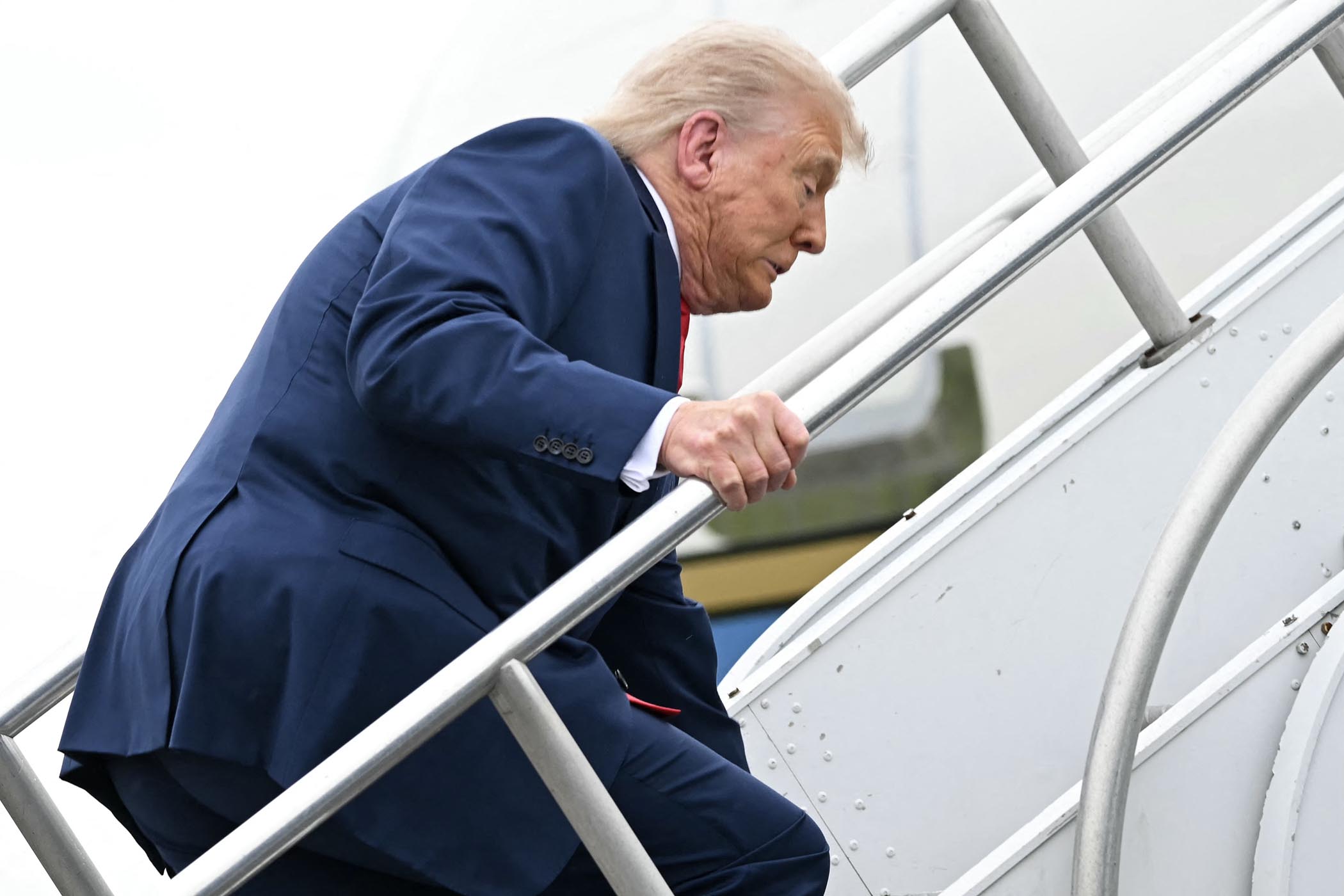
It’s sometimes hard to imagine, given how completely he dominates America, global politics and your timeline, but Trump is deeply unpopular. His approval rating is just 39%, the lowest of any president in his first year in office. If the midterm elections are free and fair, the Republicans will lose control of the House, opening the door to investigations into corruption, Immigration and Customs Enforcement (Ice) and the undeclared war in the Caribbean. The Maga infighting will only increase and Republicans focused on their own political future will try to put some distance between themselves and the most unpopular man yet to live at 1600 Pennsylvania Avenue.
2 Viktor Orbán might lose
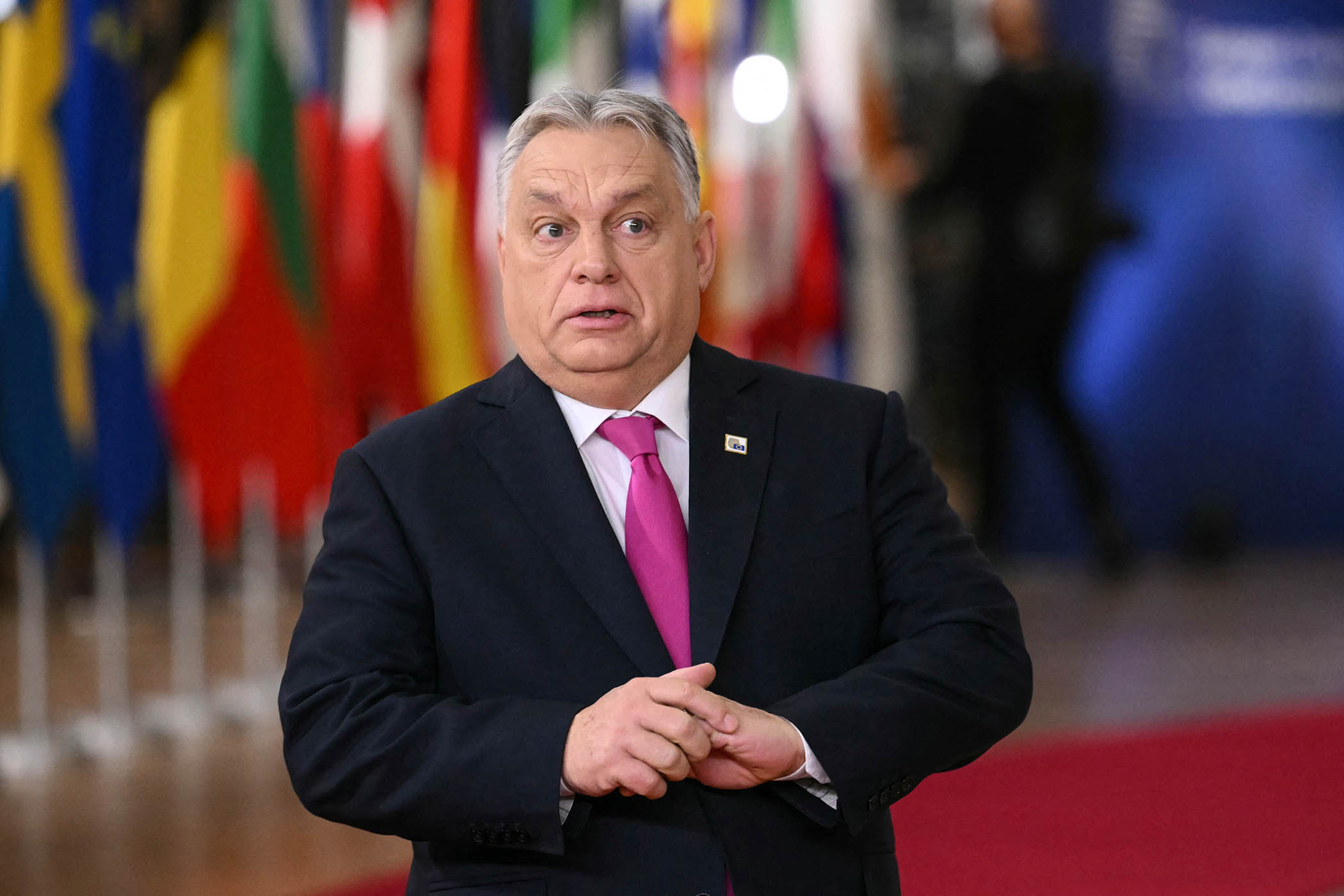
Talking of unpopular populists, the man who has ruled Hungary with an increasingly iron first for the past 15 years may finally be booted out of office this spring. Orbán’s Fidesz party is polling seven points behind the opposition centre-right Tisza, headed by Péter Magyar. A victory for Magyar, a pro-European democrat who has vowed to restore independence to state institutions, would reverberate far beyond Hungary. Orbán is the model that “illiberals” the world over have followed – if he can be defeated, they can all be defeated.
3 The World Cup will be great
Try to ignore Gianni Infantino’s love affair with Trump and various dictators, as well as Fifa’s insatiable greed: once the football actually begins, the men’s World Cup will be incredible.
Newsletters
Choose the newsletters you want to receive
View more
For information about how The Observer protects your data, read our Privacy Policy
Nothing brings a nation together better than a last-minute winner (see Troy Parrott and Kieran Tierney). Yet World Cups are also a window like no other into other nations that most of us don’t spend much time thinking about. As the historian Eric Hobsbawm put it: “The imagined community of millions seems more real as a team of 11 named people.” World Cups do something nothing else on earth can manage: they are proudly internationalist, yet bring out the best aspects of patriotism.
4 London and New York will continue to be cities that people from all over the world want to live in
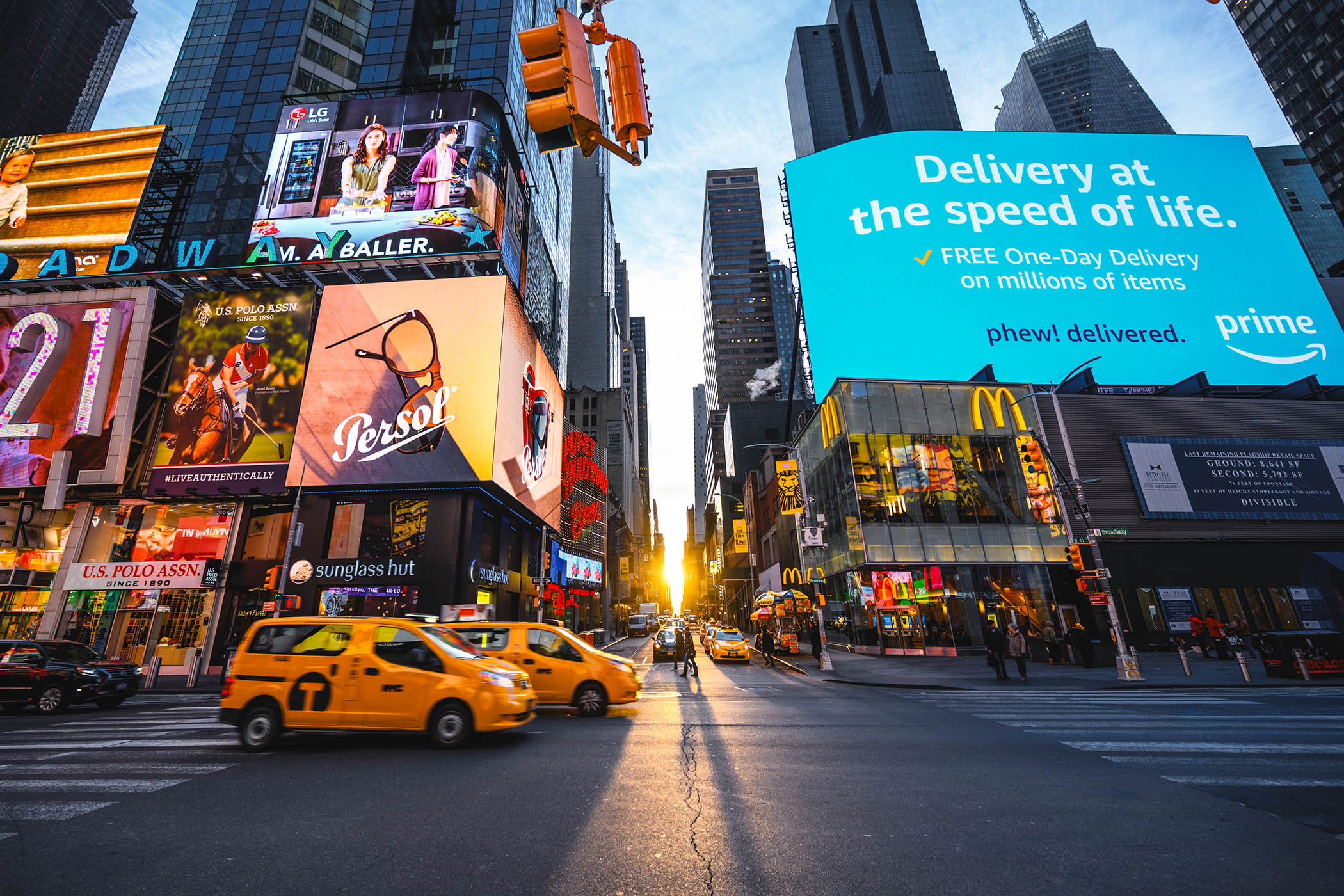
If you spend your time listening to the right in both the US and UK, you’d imagine New York and London to be crime-ridden, graffiti-filled cesspits that everyone is desperate to leave. The reality is somewhat different. Both places – one run by an immigrant, another by the son of immigrants – remain two of the best cities in the world in which to live. Full of culture and creativity, they are constantly renewed and refreshed by new arrivals. Yes, they’re not perfect, but their biggest problem – affordability – is a national issue.
5 The climate “coalition of the willing”
Despite Trump’s repeated attacks on international climate diplomacy, allied with the fossil-fuel autocracies of Russia and Saudi Arabia, climate action remains surprisingly resilient. This will be the year half of the world starts to get on with phasing out fossil fuels themselves. More than 80 nations, including the UK and EU member states, joined the climate “coalition of the willing”, announced at the end of a chaotic Cop30 in Brazil, and committed to a roadmap. History shows that voluntary initiatives can make a real difference.
6 Gen Z protests will continue to scare the hell out of autocratic regimes
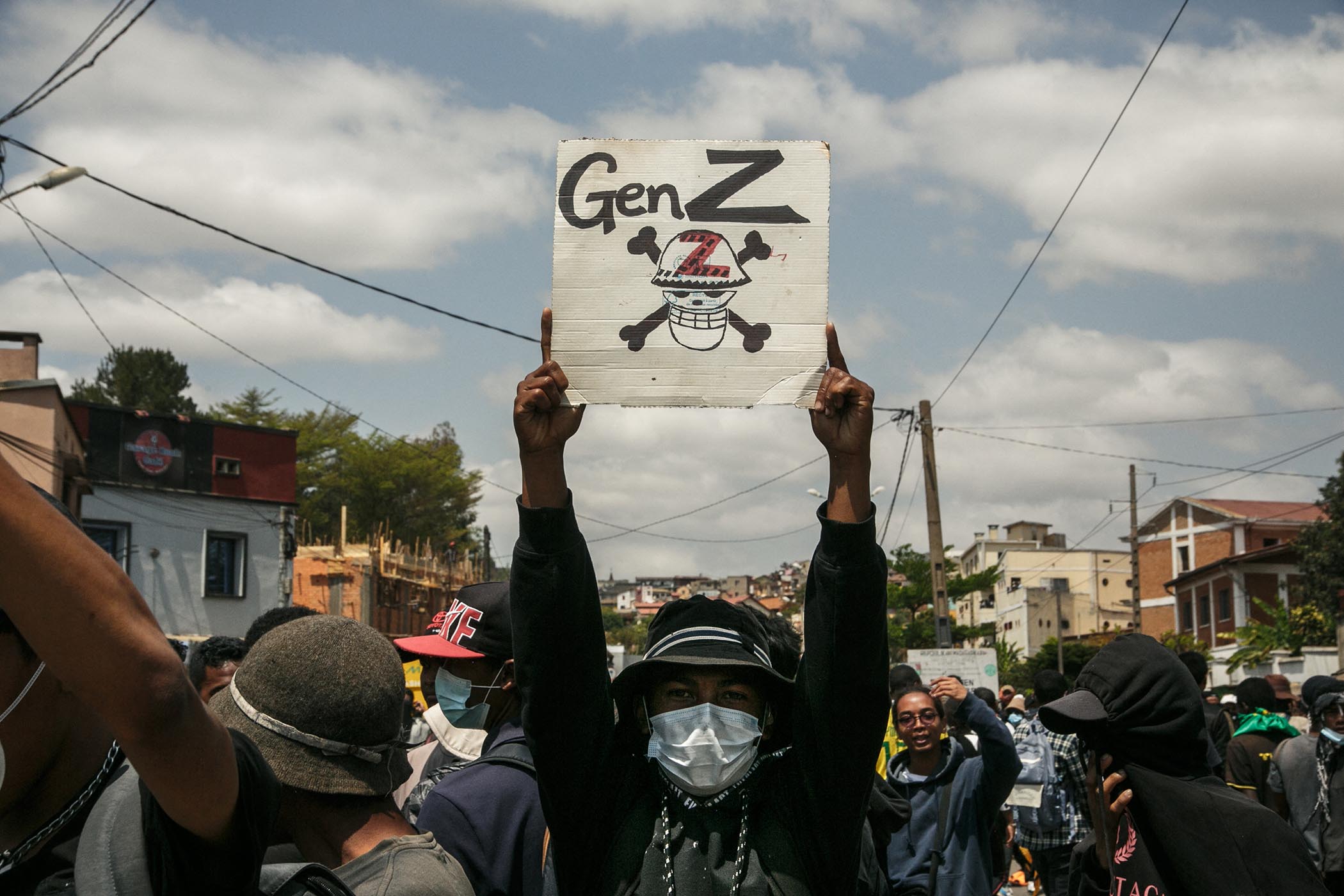
The world is getting younger and our leaders are getting older. The past year has seen a wave of gen Z protests across the world that have rattled undemocratic regimes. In Nepal and Madagascar they led to changes in government, while in Morocco and Kenya they forced smaller reforms.
Partially organised and promoted online, these protests tend to be leaderless and somewhat chaotic – which partly explains why none of them, even those that led to the downfall of a regime, has been truly successful. We will undoubtedly see more protests this year. Indeed, any time a protest takes place, governments will fear it could be the start of a wider movement.

7 Young people in Iran will continue to push for change, both through protests and by living their lives free from fear
It has been a tumultuous year in Iran, but arguably one that ended with a degree of hope, as student protests against the worsening economic situation sprang up in cities across the country and continue into the new year, though how they end is another matter. But there are already signs that the regime’s control over its population is slipping. Art shows, outdoor concerts and festivals – packed with young people ignoring restrictions on headscarves and dancing – all suggest that society is changing. If political change is to come to Iran, it will be ushered in by its people, not imposed from outside.
8 Britain’s ties to Europe will become stronger
Ten years on from the Brexit referendum, there is no doubt it has been a disaster. Over the past year, the Labour government has belatedly woken up to that fact, while European leaders have also welcomed the UK’s role in forming a united European front over Ukraine. This year the ties will likely become stronger, partly pushed by internal UK politics, but also by a liberal, democratic Europe that is under threat from Trump, Vladimir Putin in Russia and Xi Jinping in China, and understands that Britain’s presence makes it stronger.

9 More countries will follow Australia’s example and stand up to big tech
Australia’s social media ban for under-16s could be the start of a reckoning. For the past decade, big tech has swept all before it, first persuading national governments it was a force for good and latterly threatening them if they dare to introduce regulation. Expect to see social media bans for children – a simple, understandable policy that is remarkably popular in numerous democracies – rolled out elsewhere. Once the principle of regulation has been established, the floodgates could open
10 The Democrats could regain their energy
Let’s end where we began, in Trump’s America. The midterms in November will be a chance for the Democratic party to find new voices and policies. Democratic socialists such as Zohran Mamdani will challenge and defeat old centrists, while affordability is likely to be the issue that drives voters to the polls. By November, the starting gun for the presidential election in 2028 will have been fired. Look out for a new wave of charismatic Democrats launching campaigns for the White House.
Photograph by Andrew Caballero-Reynolds/AFP via Getty Images, Nicolas Tucat/ AFP via Getty Images, Marco Bottigelli/Getty Images, Rijasolo/AFP via Getty Images, Katherine Anne Rose for The Observer