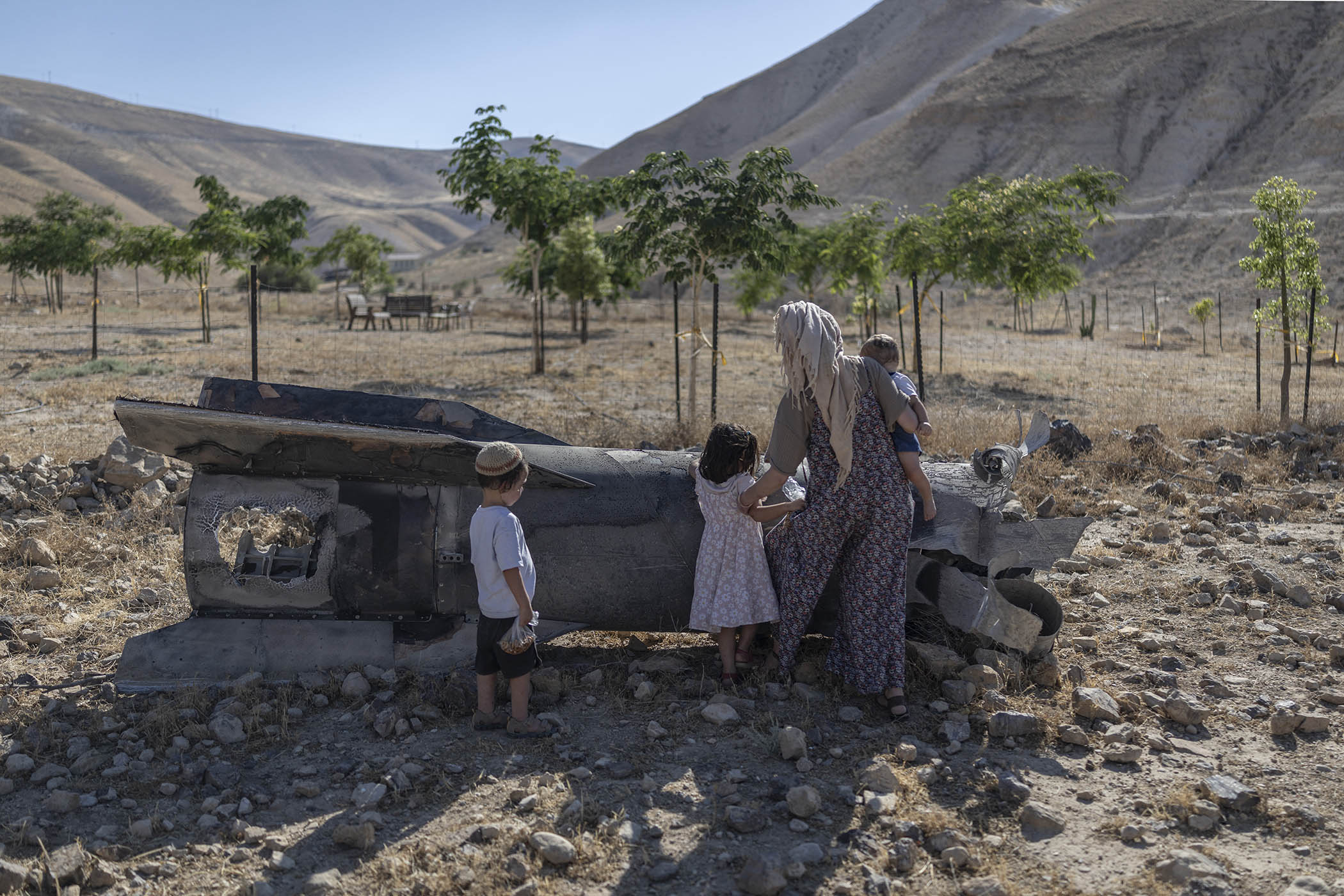

Last week the US and Iran appeared poised to resume all-out conflict. The Iranian foreign ministry called a two-month-old ceasefire “practically meaningless” as the US bombed radar equipment and air defences across southern Iran two nights in a row, after an Iranian drone collided with an American Apache helicopter in the Strait of Hormuz. Tehran fired back, the glow of missiles lighting up the night sky over the Gulf and Jordan. US forces fired on three commercial ships in the strait, killing three Indian sailors. Donald Trump proved slow to halt a escalation between Israel and Iran, which launched missiles at one another in response to Israeli attacks on Beirut.
Then Trump abruptly declared it was all over: for at least the 39th time – according to CNN – he claimed the US and Iran are on the verge of a deal. Documents are being finalised, he told reporters gathered in the Oval Office, “which should get done over the next few days. We’ll probably have a signing, maybe in Europe.” A subdued Trump claimed the entire purpose of the war had been achieved, that Iran would not possess a nuclear weapon – something Tehran promised before Trump and Israel launched attacks.
Trump appears out of options in Iran, where inking a fragile and vague deal is his only exit route out of the war he started. Still, this is “a great thing,” he told reporters, mentioning that the stock market had risen and oil prices fell at the prospect.
“This is not an agreement born of choice. It is an agreement born of necessity,” Danny Citrinowicz, a former Israeli defence intelligence analyst and expert on Iran posted on X. “There is no obvious military option that can simultaneously reopen the Strait, eliminate Iran’s enriched uranium stockpile, and avoid a wider regional war.”
For once, Trump’s claims that a deal is within reach were echoed by Pakistan’s prime minister, Shehbaz Sharif, and Iranian officials: Iran’s foreign minister, Abbas Araghchi, said it had “never been closer”, as officials met in Tehran to discuss it.
Even as both sides appeared on the brink of an agreement, disagreements persisted over the timeline of its signing: Tehran appeared reluctant to ink the deal, even digitally, on the same day that Trump claimed it was “due to get signed”, coinciding with celebrations for his birthday. Iranian foreign ministry spokesman Esmail Baghaei preached caution, saying it could take days more – as Qatari mediators arrived in Tehran for what many hoped was one last diplomatic push.
Trump administration officials said the deal would see the reopening of the Strait of Hormuz alongside an end to the US blockade of Iranian ports, a pledge by Tehran to hand over its enriched uranium to the US and eventually sanctions relief if it complies.
These terms drew public criticism from at least one hardline Iranian lawmaker, who called them “more damaging” than previous drafts, along with some Iranian news outlets, which balked at the idea of a deal that would see the reopening of the strait without further concessions extracted from the US.
The White House also moved to head off potential critics. “The Iranians are not receiving any cash, and no funds are being released for simply signing a deal or attending a meeting,” said the US vice-president, JD Vance. Iran would only see “economic benefits” if its obligations are met, he added.
Ali Vaez of the International Crisis Group said the reality around funds released to Iran was about “the difference between optics and reality” for the Trump administration as well as Iran. “This deal will apparently see the release of some frozen Iranian assets in the form of a line of credit from Qatar, using these frozen assets as collateral,” he said, thus allowing both Washington and Tehran to claim they got what they wanted.
Newsletters
Choose the newsletters you want to receive
View more
For information about how The Observer protects your data, read our Privacy Policy
This deal represents “the best exit ramp from a road that should not have been taken – meaning that it’s not an ideal agreement but it is the best outcome that was possible after a strategic blunder”, said Vaez. While the deal can end a war that has punished Iran and the US, the wider world, and the global economy, he added, “what it cannot do is address the problems between Iran and the US in a substantive and sustainable manner; in fact, it creates a fragile situation in which a relapse into conflict remains likely”.
The Strait of Hormuz remains a live issue: Araghchi declared the waterway will not revert to its prewar status hours before US forces said they shot down Iranian drones over the strait as talks continued. Hormuz would remain “under the sovereignty of Iran and Oman”, Araghchi said, citing charges for “services”.
While Trump claimed victory last week, revealing that 100million barrels of oil have covertly crossed the strait as vessels employed methods once used solely by Tehran to dodge sanctions, analysts said this is a little number compared with prewar figures, failing to halt the mounting pressure on global oil supplies.
Hamidreza Azizi of the German Institute for International and Security Affairs said he remains sceptical that this initial agreement can produce a concrete and enduring deal. “Military force has not – and probably will not – push Iran into making further concessions or giving up its core red lines,” he said, even if the agreement emerging does see gains for Tehran; namely, no mention of its proxies or curbs to its ballistic missiles programme. Still, he said, “the ceasefire has, from the very beginning, been a battle of endurance”, one that both parties need to end.
Lebanon continues to loom large: Israeli bombardments blanketed southern Lebanese towns as Araghchi declared on Iranian television: “We will never leave Lebanon alone,” and vowed to include it in the ceasefire. In a statement from his office detailing a brief call with Trump, the Israeli prime minister, Benjamin Netanyahu, made no mention of Lebanon, saying only that he expressed “appreciation” for their shared aims on issues beyond the remit of the deal, in a nod to the threat of future conflict.
Israeli warplanes struck Beirut for the second Sunday in a row, threatening the deal even in its final stages.
“Even under the best-case scenario of a comprehensive agreement between Iran and the United States, the hostility between Iran and Israel will remain,” Azizi said.
Thank you for reading. Tell us what you think by writing to letters@observer.co.uk
Photograph by Ilia Yefimovich/AFP via Getty Images