
At the start of the year, I wrote a column listing 10 reasons to be optimistic about the world in 2026. We had just lived through the horrors of Donald Trump 2.0’s first year, Russia’s war in Ukraine was grinding on and, from Gaza to Sudan, war crimes were still being committed on an almost daily basis.
It was perhaps a touch quixotic to search for the positives; even more so when, hours before that weekend’s edition of the paper went to print, the US invaded Venezuela and kidnapped its president.
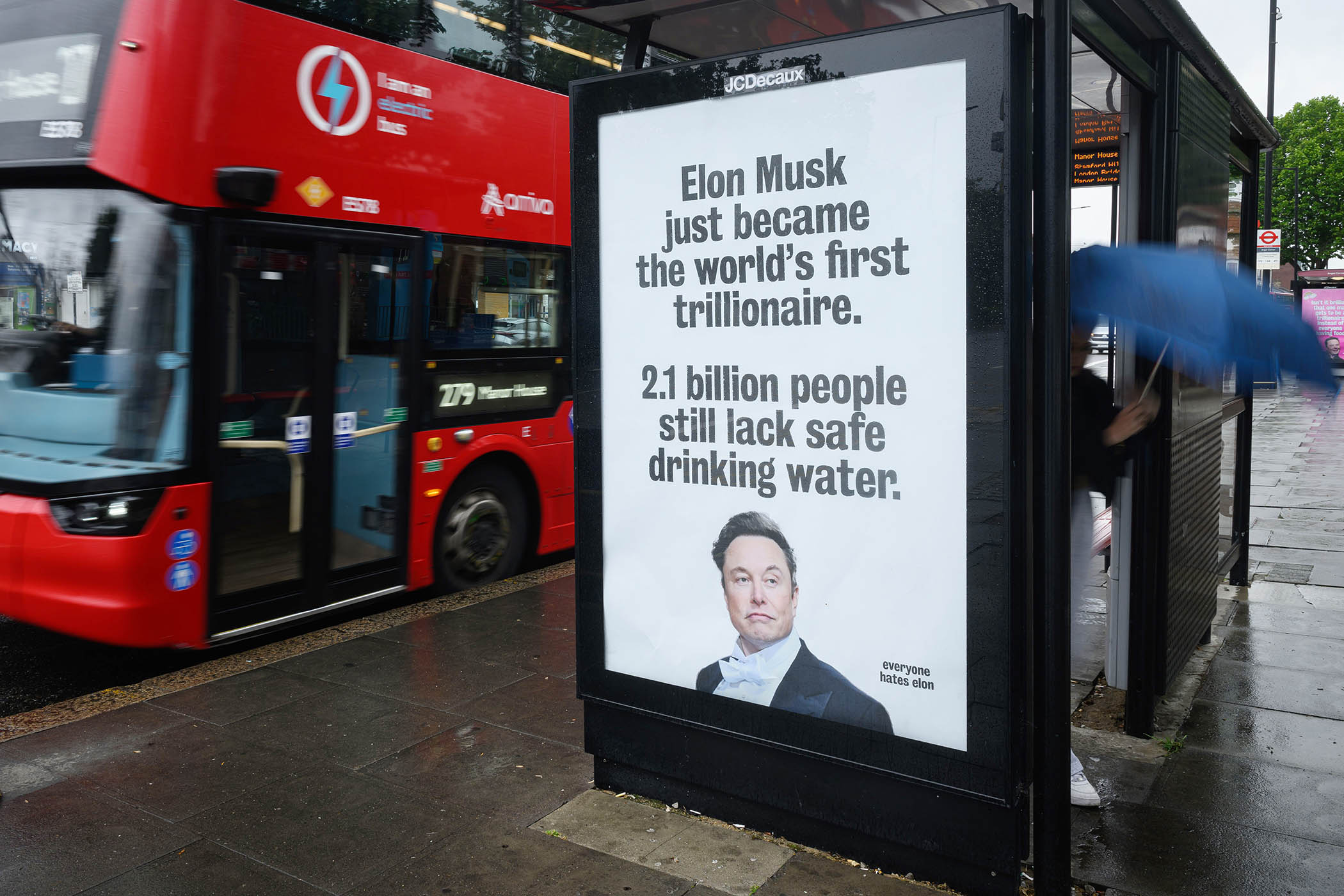
Six months on, the world is in an even darker place. One of my hopes was that Iranians, who had begun protesting against their government in great numbers in late December, would continue to push for change. Instead, those protests were crushed. More than 30,000 people were reportedly killed. The US and Israel then launched a fresh war in Iran that led to turmoil across the Middle East. Elsewhere, the far right is on the march and Elon Musk is trying to incite civil war in the UK.
But without hope, we are lost. We need to know that better days are coming. So, six months on, it’s worth revisiting those remaining nine reasons for optimism.
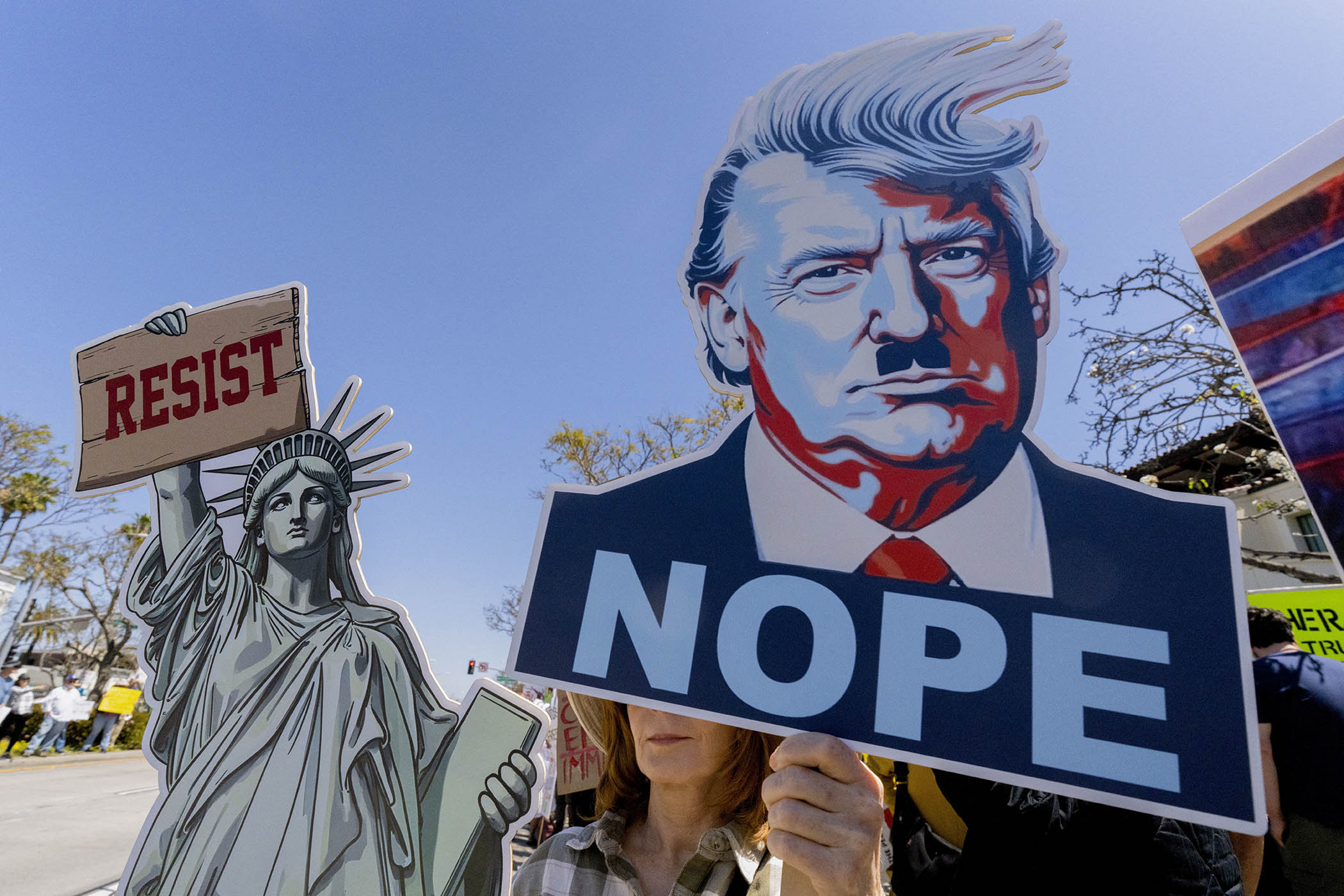
1 Trump is deeply unpopular
In fact, he is even more unpopular now than he was six months ago. Only 35% of US voters approve of his presidency, while more than 60% disapprove, according to a YouGov poll published this month. Even with the gerrymandering – or rigging, as we should more accurately call it – the chances of the Republicans holding on to the House are slim. The Senate may even be up for grabs.
If the Democrats control both houses of Congress for the final two years of Trump’s time in office, they have the chance to hold him to account. Expect investigations and, almost certainly, impeachment.
2 Viktor Orbán might lose
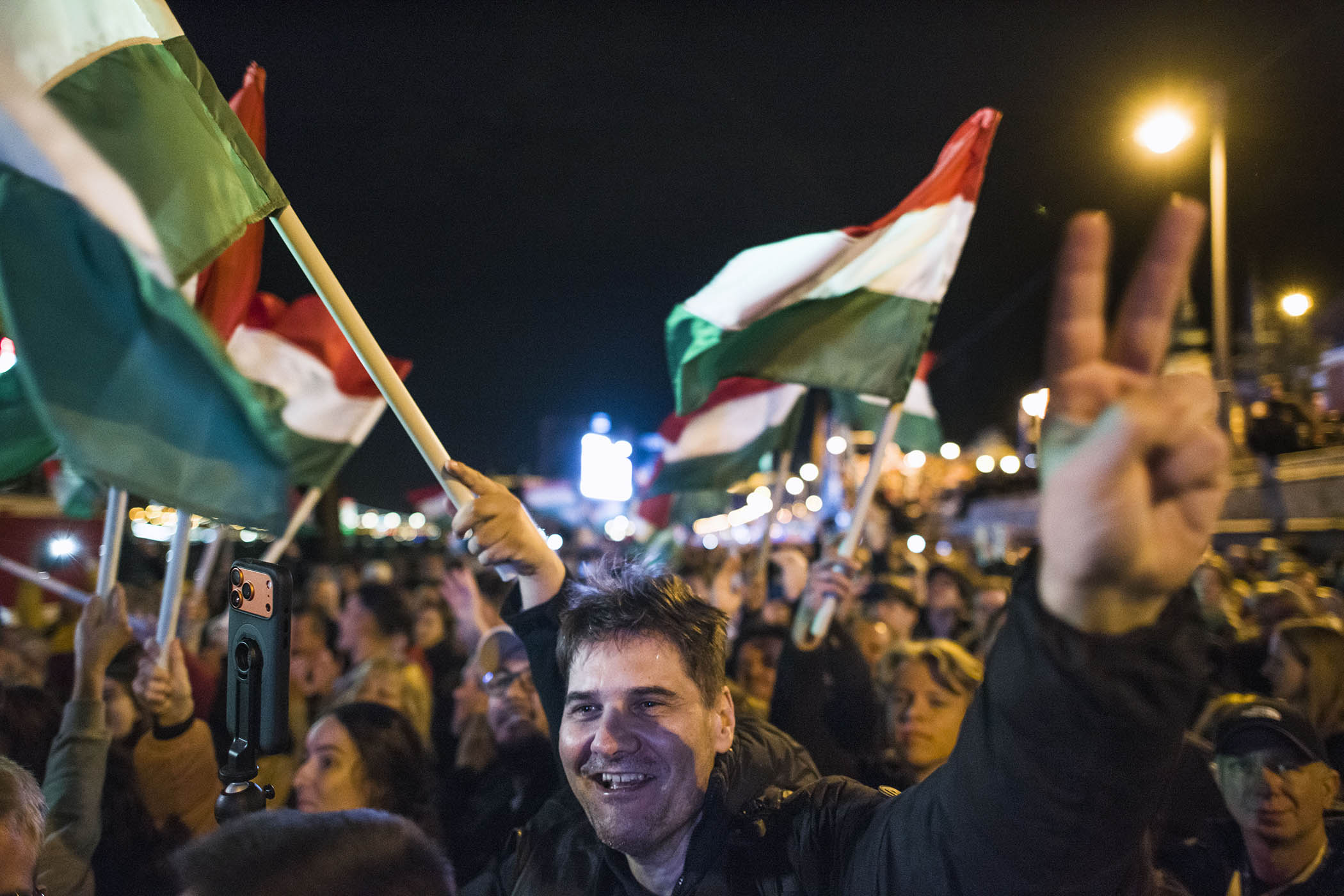
He did! A rare defeat for “illiberalism” and one that was celebrated across Europe. Peter Magyar’s victory has not only revived Hungary: it has bolstered the EU’s attempts to defend Ukraine. It also shows that authoritarian leaders can be defeated at the ballot box.
3 The World Cup will be great
Newsletters
Choose the newsletters you want to receive
View more
For information about how The Observer protects your data, read our Privacy Policy
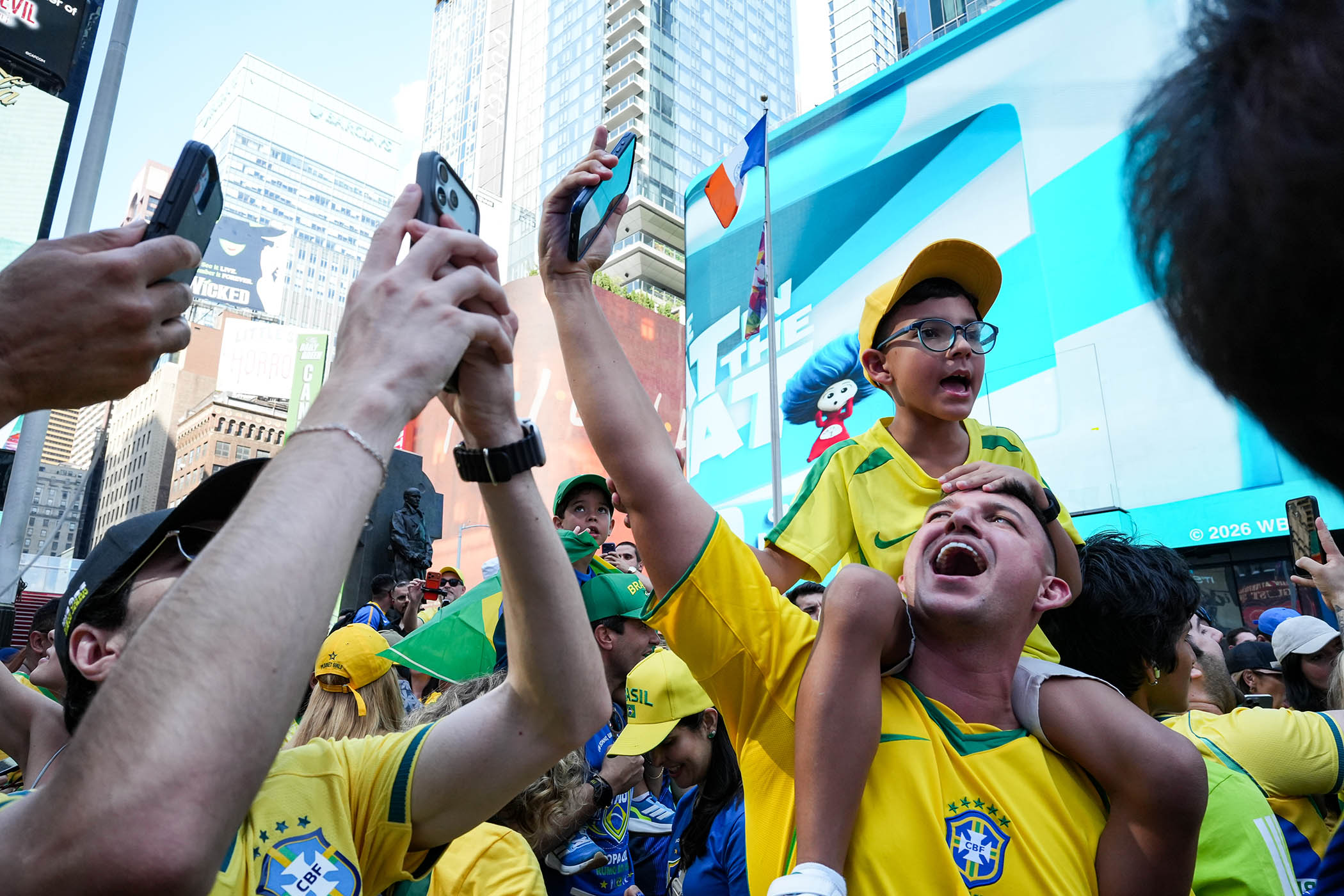
The lead-up has been grim. Africa’s best referee refused entry and falsely accused of having links to terrorism; players and fans held for hours and searched; endless stories about outrageously high ticket prices. But – despite the best efforts of Trump and Fifa’s president, Gianni Infantino – it takes a lot to ruin a World Cup.
The next five weeks will provide much-needed escapism. More importantly, they will remind us of the world at its best. For children, they are often a first window into other countries and cultures. For the rest of us, they prove that there is more that unites than divides us.
4 London and New York will continue to be cities that people from all over the world want to live in
It was true six months ago; it will still be true six months, six years, six decades from now. There is a reason why so many people want to live in big, liberal, open cities.
5 The climate ‘coalition of the willing’
Frustrated by yet another Cop summit where the biggest oil-producing states stymied progress, Colombia hosted an alternative conference of almost 60 nations in April on “transitioning away from fossil fuels”. Before next year’s conference, they have all agreed to draw up national plans to phase out fossil fuels. There is a long way to go, but as Colombia’s environment minister, Irene Vélez Torres, said in her closing remarks: “This is the beginning of a new global climate democracy.”
6 Gen Z protests will continue to scare the hell out of autocratic regimes
Last year brought huge numbers of young people on to the streets, from Nepal to Peru. The causes – the high cost of living, low chances of opportunity – are present almost everywhere. The question is: does it lead to protest? (And then: do those protests lead to change?) We may be about to find out in India, the world’s largest democracy.
Earlier this year, India’s chief justice likened the nation’s unemployed young people to cockroaches. “What if all cockroaches came together?” asked one young Indian, Abhijeet Dipke, on social media. Within weeks, they had. Dipke set up the Cockroach Janta party, or CJP – a play on prime minister Narendra Modi’s BJP (Bharatiya Janta party). In less than two weeks, it had 22 million followers on social media, and last weekend launched its first public protest in Delhi.
7 Britain’s ties to Europe will become stronger
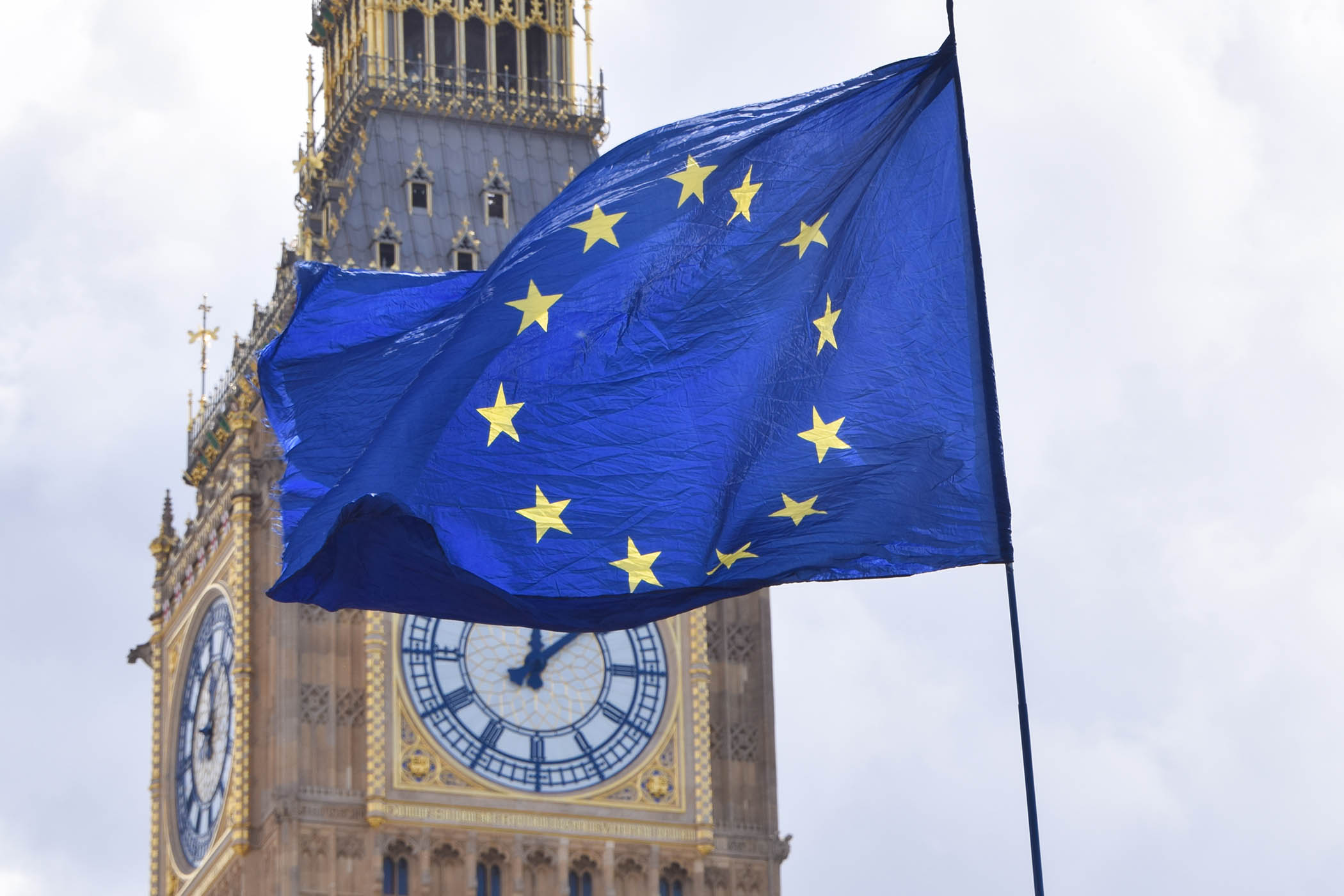
In his long-forgotten reset speech after the May local elections, Keir Starmer vowed to build a closer relationship with the EU and was refreshingly honest about the disaster that is Brexit. The two men hoping to take his job have also said they want to rejoin Europe within their lifetimes. The rest of the country agrees; indeed, polling released before this month’s 10-year anniversary of the Brexit vote shows that most Britons would prefer it if we rejoined far sooner.
8 More countries will follow Australia’s example and stand up to big tech
Another one for the Starmer “bucket list”. The UK will probably introduce a social media ban for children under 16 in the coming weeks. Other nations are also actively considering it. Across Europe, governments, too, are beginning to wean themselves off American technology.
For some reason, the UK government won’t give up on X, even though the site formerly known as Twitter is being used by Musk to stoke race riots. But the tide seems to be turning against an industry that once appeared all-powerful.
9 The 2028 US presidential race will begin… and the Democrats will be favourites
Assuming that the next US presidential election is free and fair, Trump’s successor will probably be a Democrat. In the coming months, those vying for the candidacy will begin to make their pitch in earnest. There will be stumbles and scandals – and the possibility of a Maga revival under JD Vance or Marco Rubio cannot be ruled out – but there is a chance that, by the end of this year, the US (and therefore the rest of us) can begin to see the light at the end of the tunnel.
Thank you for reading. Tell us what you think by writing to letters@observer.co.uk
Photograph by SOPA Images, Ali Matin/AFP, Daniela Porcelli/Getty Images, Zuma Press via Avalon