
Amy had her two-week-old baby in her arms when her ex-partner Pete started shouting at her in the kitchen. “He called me a bad mother then he slammed my head against the fridge,” she said.
During the course of their three-year relationship, Pete veered between “love-bombing” and haranguing Amy. “It was frightening. He would lose his temper over little things then blame me. I was treading on eggshells all the time. There was violence but the emotional abuse was far greater because it sticks with you. He was very manipulative.”
She kept trying to finish with him but he refused to let her go. “He would turn up at my house. Once, I wasn’t home and he ripped the [doorbell] camera off my door. He smashed the window. He always wanted his way.” Slowly, Amy realised she was not the only one in this situation. “I got the impression that there were at least three or four girls on the go at the same time. I think he just went from house to house, telling everyone he loved them. He’s a predator.”
For the past two years, Pete has been on the Metropolitan police’s list of the 100 men who pose the greatest danger to women and girls in London. Officers have identified 10 women who believed they were in a relationship with him over that period, and four children he has fathered since 2023.
There have been 22 allegations made against him, including the rape of a child. He is already on the sex offender register, having been convicted a few years ago of voyeurism, and has been assessed by the police, probation service and social services as posing a “very high risk to women and children”. He has now been charged with multiple sex offences and had three domestic abuse protection orders imposed on him, banning him from going near three different women.
The case is part of a new, more proactive approach to violence against women and girls that has been trialled by the Met. The V100 programme uses data and intelligence to identify the 100 individuals who are the greatest threat. They are then relentlessly pursued by the police to try to disrupt their behaviour and protect the women around them.
Research to be published this week shows the approach has halved the harm caused by these men. The offences committed by those who were subject to interventions as part of the V100 programme were 54% less harmful and 53% less violent compared with their predicted rates of harm.
Convictions have been secured against more than 200 men who have been given sentences totalling over 676 years. Officers targeting those on the V100 list, which is updated every month, have also obtained 157 court orders, including domestic violence protection orders, sexual harm prevention orders and stalking protection orders, imposing strict conditions on the suspects.
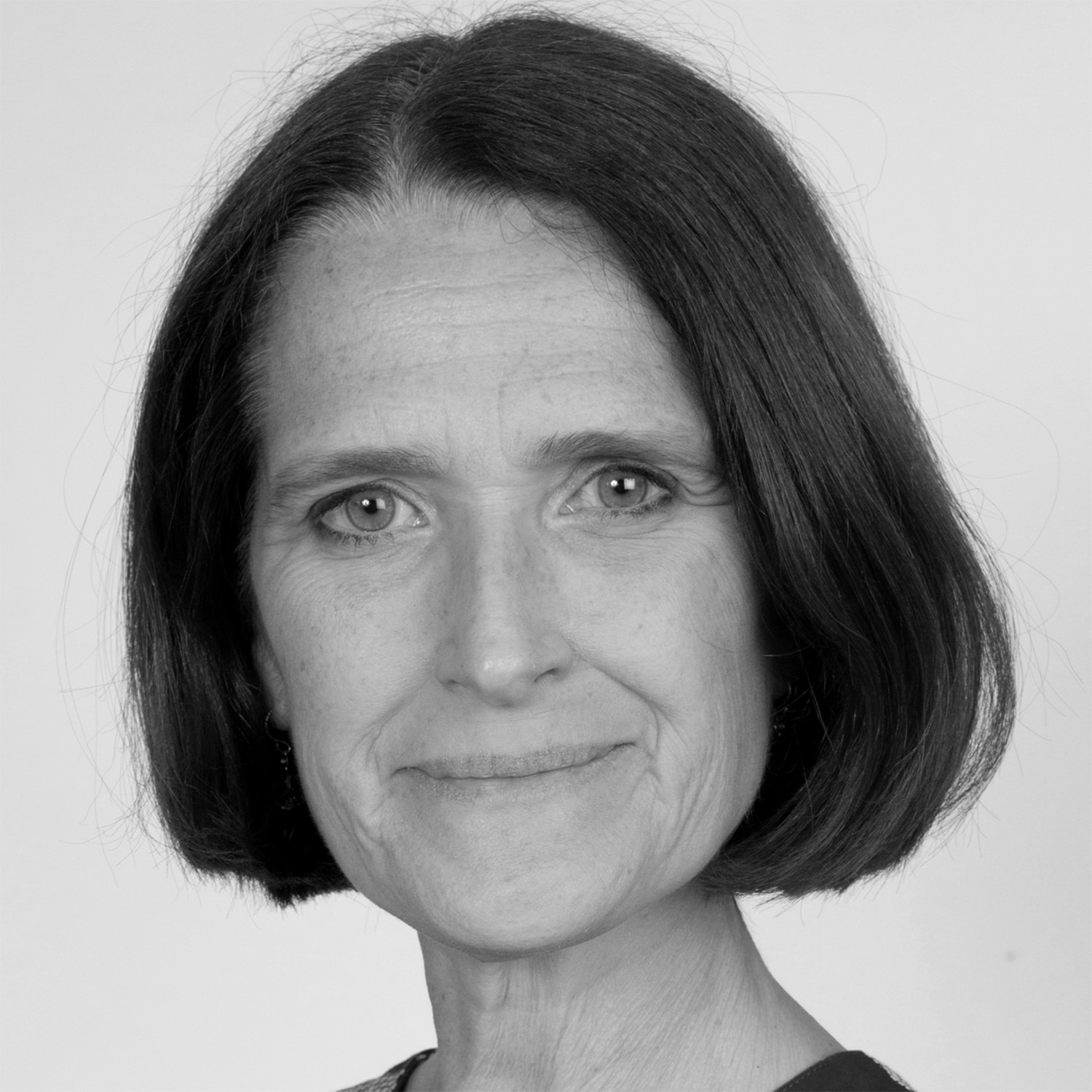
The evaluation “provides strong evidence” that the programme is effective in “significantly reducing high harm criminal offending”, according to the study by John MacDonald, professor of criminology at the University of Pennsylvania. “Scaling and sustaining the intervention could yield meaningful reductions in serious violence.”
The Home Office is planning to roll out the system around the country as part of the government’s mission to halve violence against women and girls.
Newsletters
Choose the newsletters you want to receive
View more
For information about how The Observer protects your data, read our Privacy Policy
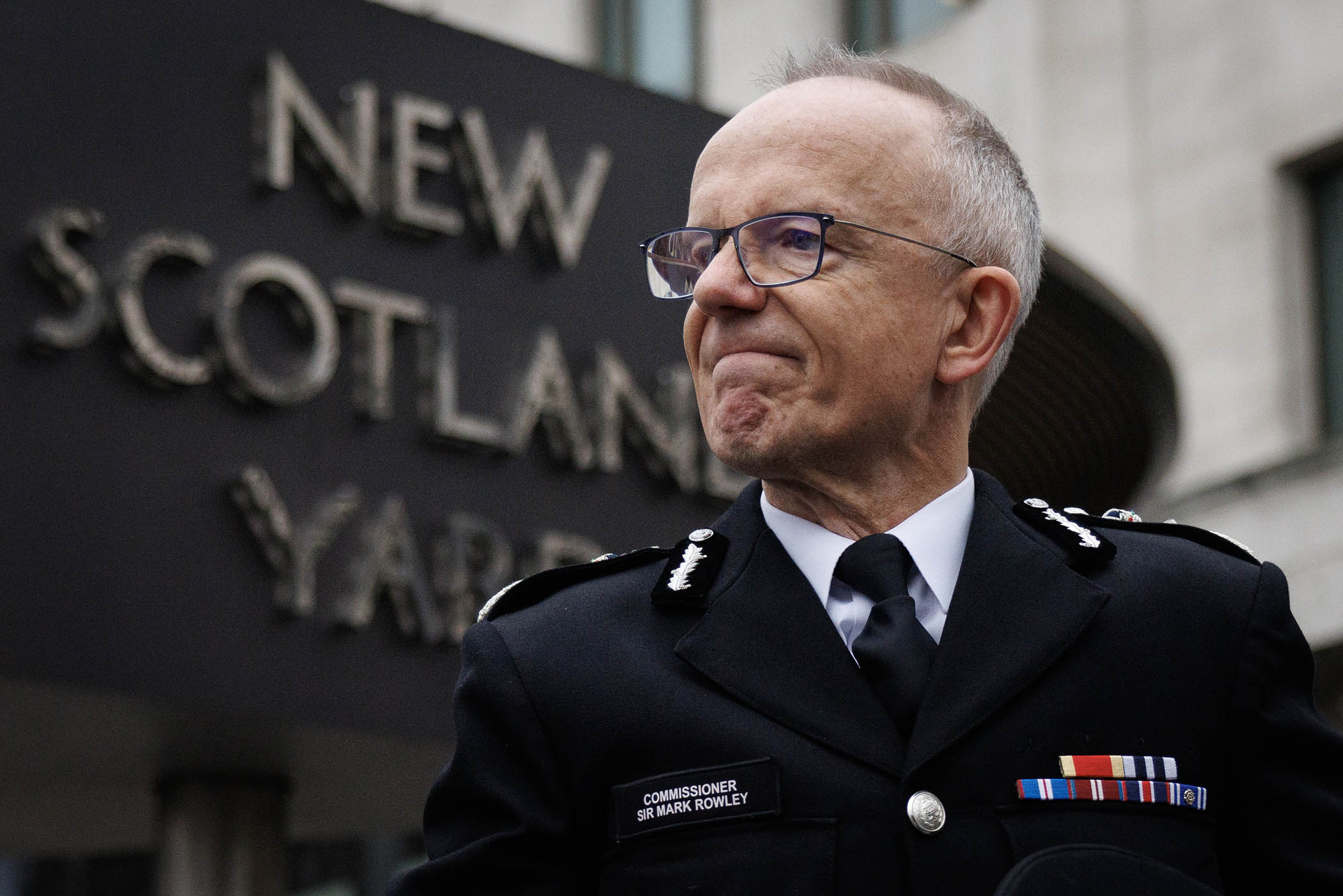
Mark Rowley, commissioner of the Metropolitan police, said that when he became head of the force in 2022 it had “completely lost [its] way” in tackling violence against women and girls. The murder of Sarah Everard by a serving officer, Wayne Couzens, was followed by the conviction of another officer, David Carrick, for a string of rapes and sexual offences. A year-long review of the Met by Louise Casey condemned systemic failures including a “boys’ club” culture and “institutional misogyny”.
Rowley said the force has turned its performance around by focusing relentlessly on offenders rather than victims. Now, 17.5% of rape cases result in a conviction or charge, up from 3% three years ago. Last week, Clifton George, who killed his partner Annabel Rook, a charity worker, by stabbing her 31 times during a row at their home in north-east London, was jailed for life.
“We’ve brought the science and disciplines that we’ve used in organised crime and terrorism to this area,” Rowley said. “We’ve gone from one of the worst in the country to one of the best.”
The V100 programme focuses on prevention by taking a list of about 60,000 people who have been accused of crimes such as rape, sexual assault, stalking and harassment and ranking the offences according to their seriousness. A measure called the Cambridge Crime Harm Index is used to assess them on the basis of the sentence they attract. The data is then fed into an algorithm, which produces a monthly list of the 100 men facing the most serious allegations. Each month only a “handful” change, according to Rowley.
The system relies on the fact that crime tends to be clustered around individuals and geographical hotspots. Last month, 10% of the men on the V100 list were responsible for 72% of the harm. Sometimes it is up to 90%. About two-thirds of the reported offences are domestic abuse.
Met officers follow the “Al Capone” strategy of going after the men on the list for other crimes, Rowley said, just as US authorities in the 1930s jailed the mafia boss for tax evasion.
“If you’re vile to women and children, you’re probably vile in lots of other ways,” he added. “We understand these offences are intrusive, so victims won’t always feel able to support a prosecution. If he’s a drug dealer we’ll get him off the streets for that.”
The commissioner is frustrated that Sadiq Khan, the mayor of London, has blocked the Met’s contract with the US tech giant Palantir. Rowley had wanted to use the firm’s data-sharing software to improve the V100 programme. “It would supercharge it,” he said. “It would accelerate investigations. In terms of keeping London safe it would be massively powerful. That’s been blocked. London will be less safe at the end of the year as a consequence of this than it would otherwise have been.”
He said the V100 algorithm relies on “basic methodology” and that “more sophisticated data tools” from Palantir would make it easier to identify the most dangerous individuals. “Over the next year we will be cutting frontline services and policing will be less good than it would otherwise have been because of not having this technology.”
Palantir has been criticised for controversial clients including the US Immigration and Customs Enforcement agency and the Israel Defense Forces but Rowley insisted the technology works. “They can do their job and they do it really well,” he said. “They also work with the Ukrainian army. If you look at all the people that Microsoft work with and Amazon Web Services work with, the people we buy firearms off for our officers sell to all sorts of different regimes across the world. If we didn’t work with a company who worked with somebody that some people don’t like, we wouldn’t have any technology at all of any type, old-fashioned or new.”
The Met has already been using Palantir software to identify “bad apples” in the force. “We’ve cleaned out 1,500 people in three years and a lot of that has been misogyny,” Rowley said. It would be “pretty disastrous” if the Met had to switch off that capability.
Rowley also warned that progress made by the police in prosecuting sex offenders was being undermined by the backlog in the courts. Some rape cases in London are now being listed for 2031, with one alleged offence dating back to 2023, an eight-year wait for the victim.
“That affects drop-out rates,” Rowley said. “It’s so frustrating for officers.”
He urged MPs to support the government’s proposed reforms to jury trials. “The system is so overstretched and in such a parlous situation, I think if somebody as independent and eminent as [retired judge] Brian Leveson says you need to do all this to fix it then I’d be very keen to back his report. We just need to do it. Some of it may be contentious but doing some contentious things is much better than all these cases falling over and not being able to support victims.”
Photograph by Dan Kitwood/Getty Images