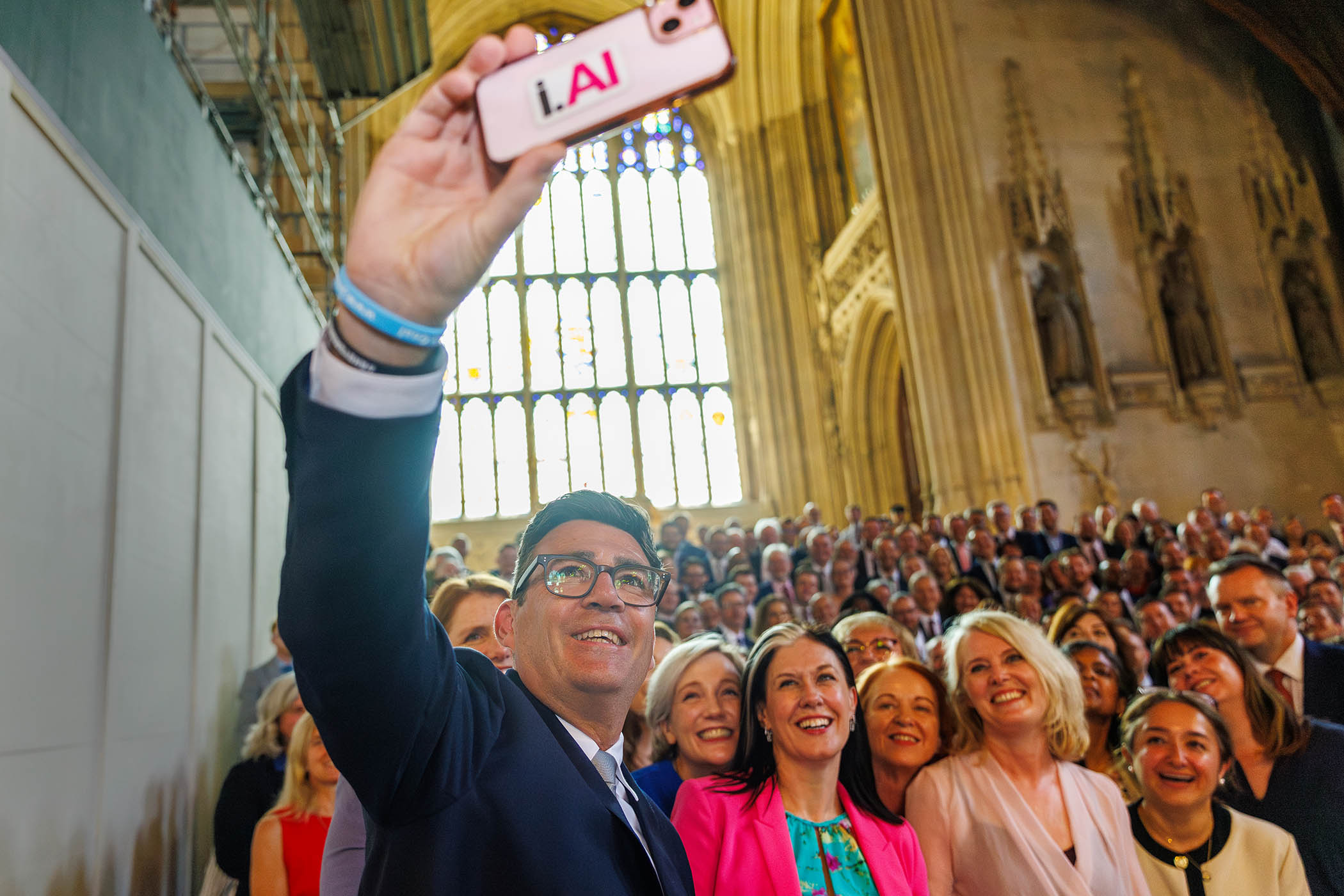

Andy Burnham’s team are developing a slate of voter-friendly policies and visits around the country for his first 100 days as prime minister, which could begin within four weeks.
So what? Burnham wants to generate a “vibe shift” in Downing Street. To do so, he is expected to blend new and existing policies, couched in a more upbeat message of change. His allies say this approach will have three prongs that comprise
•
building on Labour’s 2024 manifesto as the core offering;
•
tweaking the government’s approach to the cost of living and defence; and
•
passion projects, such as regional devolution and renationalising water companies.
First step. Burnham will kickstart these efforts next Monday by setting out his vision for the economy. He is expected to be joined by Ed Miliband, seen by many as the next chancellor and the person credited with Burnham’s commitment to stick to Labour’s current fiscal rules.
Work in progress. These policies are still very much on the drawing board. An insider says Burnham intends to draw on the Co-operative Labour tradition, making “community power [and] local power” a “key element” of his approach. Meanwhile, Andy Haldane, a former Bank of England chief economist, has been drafted in, both to prove the seriousness of Burnham’s intent and to reassure those spooked by his previous dismissiveness of the bond markets.
Bold claim. In Makerfield, Burnham said he would not shy away from cutting welfare – an issue that for Keir Starmer prompted a series of backbench rebellions that helped to erode his authority.
Fighting talk. If he succeeds, part of this money could be earmarked for the defence investment plan, which prompted a trio of ministerial resignations. Burnham’s team want to rework this document even if Starmer ploughs ahead with his plans to publish it before a Nato summit on 7 July. The prime minister met Burnham yesterday to discuss a smooth transition of power.
Gordian knot. Sources close to Burnham suggest there could also be a commitment on social care. Burnham has pedigree as the last Labour figure to attempt to reform the system during his time as Gordon Brown’s health secretary. But past prime ministers have pledged to fix it and foundered.
Sums. This would require cash, something in short supply despite a record tax burden. Fiscal realities could also constrain his ambitions to bring utilities under public control and to replace stamp duty and council tax with a land tax, two ideas that featured in his Makerfield campaign.
Good-time guy. This means one of the biggest changes could be messaging. Burnham’s team are acutely aware that voters were put off by Starmer’s dour message that “things will get worse before they get better”. They also believe Starmer’s promise that politics would “tread lightly” on people’s lives resulted in voters being unaware of government success stories.
“This is not just about policy,” according to a source close to Burnham, who said he planned to be “present everywhere”, in contrast to Starmer, who “spent a lot of his life stuck in the bunker.”
Newsletters
Choose the newsletters you want to receive
View more
For information about how The Observer protects your data, read our Privacy Policy
Tightrope act. Immigration could be the key battleground. The tough stance taken by Starmer backfired because it failed to win back Reform-minded voters while triggering progressive defections to the Greens. Burnham has indicated he could scrap tougher settlement requirements for migrants, which will please backbenchers. But he will have to balance such moves against the fact that he won in a constituency that in local elections overwhelmingly voted for Reform.
Seat at the table. Much rides on who makes it into Burnham’s cabinet. Angela Rayner, Wes Streeting and John Healey, who represent different strands of the Labour party, are all expected to make a return.
What’s more… Some Labour MPs want Burnham’s policies to be tested in a battle of ideas in the form of a leadership contest. His team might also appreciate more time to flesh out their platform. But a coronation in mid-July seems more likely after Streeting and Darren Jones, the chief secretary to the prime minister, declined to put their names forward to stand.
Photograph by Dan Kitwood/Getty Images