
One of the persistent criticisms levelled at Keir Starmer has been that he struggles to make the “emotional connection” with voters that is now regarded as the modern currency of politics. But it does not mean this tightly bound and often occluded prime minister lacks feelings, especially now.
Those around him describe his rage and anger over what he regards as “betrayal” from some of his cabinet. And this has been mixed in at various points over recent days with other sentiments ranging from stubborn defiance and flickering hope to mounting despair. Nor should cynics discount the sense of duty he feels to the country, even when so many of its citizens so clearly hate him, not to inflict on it a political crisis that could make the real crisis in our economy and security even worse.
More than anything, though, there is just shock at the way his political fortunes have deteriorated so fast. After the prime minister rather vaingloriously claimed in an interview with this newspaper last week that he still wanted two full terms, one cabinet minister said privately that “Keir will be lucky to get two full months”. Another, more sympathetic, figure around the government’s top table says: “I just feel numb.”
Shattered alliances and broken friendships litter the streets around Westminster. There is resentment towards home secretary, Shabana Mahmood, who for so long was seen as one of Starmer’s allies and had been appointed to one of the great offices of state by him, for making public her demand for him to go. Within Downing Street’s much-diminished inner circle there is also scorn for Wes Streeting’s frantic efforts to get the 81 nominations from MPs needed to trigger a leadership contest. Notwithstanding his insistence yesterday that he would still enter any race to succeed Starmer, he has notably failed to bring one about. Instead, the prime minister describes with cold contempt how the – now former – health secretary caused huge damage to the government “when he never had a plan to win”.
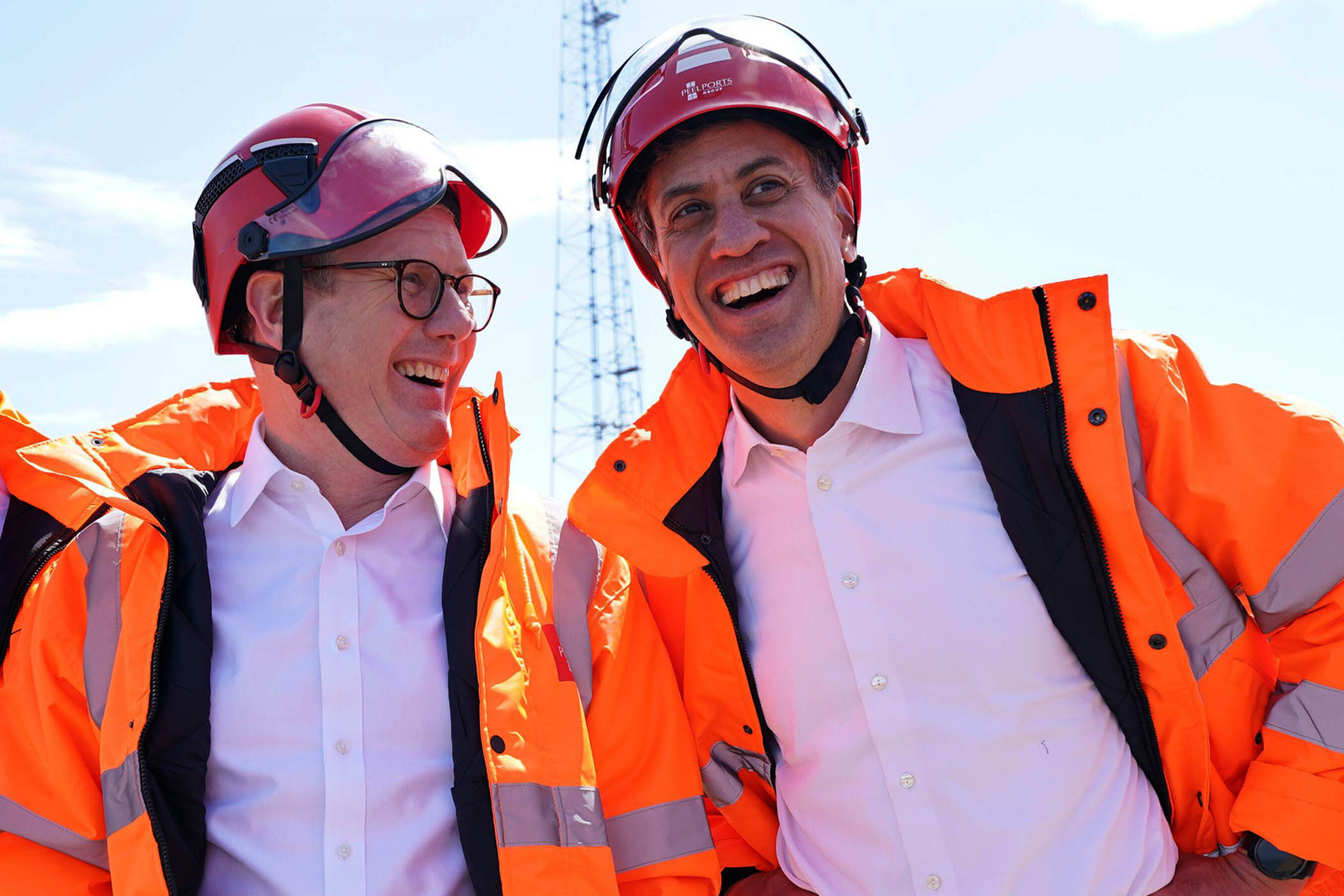
Special venom is reserved for energy secretary Ed Miliband who was once about as close to the prime minister as he had to a friend at the highest level of politics. It was to Miliband with whom Starmer first broached the idea of becoming a Labour MP almost 20 years ago. And, when Labour leader in 2014, Miliband helped Starmer’s career conversion from lawyer to politician by smoothing his pathway into parliament. There has been more tension in their relationship over recent years, with Miliband seeing his plans for clean energy being scaled back and complaining that Starmer never listens to his advice. But Downing Street aides, who wanted Miliband moved altogether from his energy brief last year, were annoyed that what one described as “Keir’s misguided friendship” with one of his predecessors as Labour leader had stopped him from executing their plan.
The end of this relationship came this week when Miliband closed off probably the last viable route for Starmer’s long-term survival by letting it be known he would not rally the party’s so-called soft left behind the prime minister against Streeting. Instead, Miliband warned that if Andy Burnham continued to be blocked, he would stand against Starmer himself.
There is genuine sorrow in this breach. But Miliband’s allies will point out that the decency and seriousness that he still thinks are characteristic of Starmer as a person have too often been absent in the way he has treated colleagues and staff as prime minister, many of whom have been sacked or “moved on” with little else to show for their efforts other than a sense of injustice.
Even so, Starmer’s hardline loyalists urge him to remain a granite face to all the frenzied demands for him to go too. Although Morgan McSweeney has not set foot in Downing Street since leaving in February, his presence lingers there like a ghost and, of course, its former chief of staff does not have to take physical form to advise the prime minister on how to conduct a street fight.
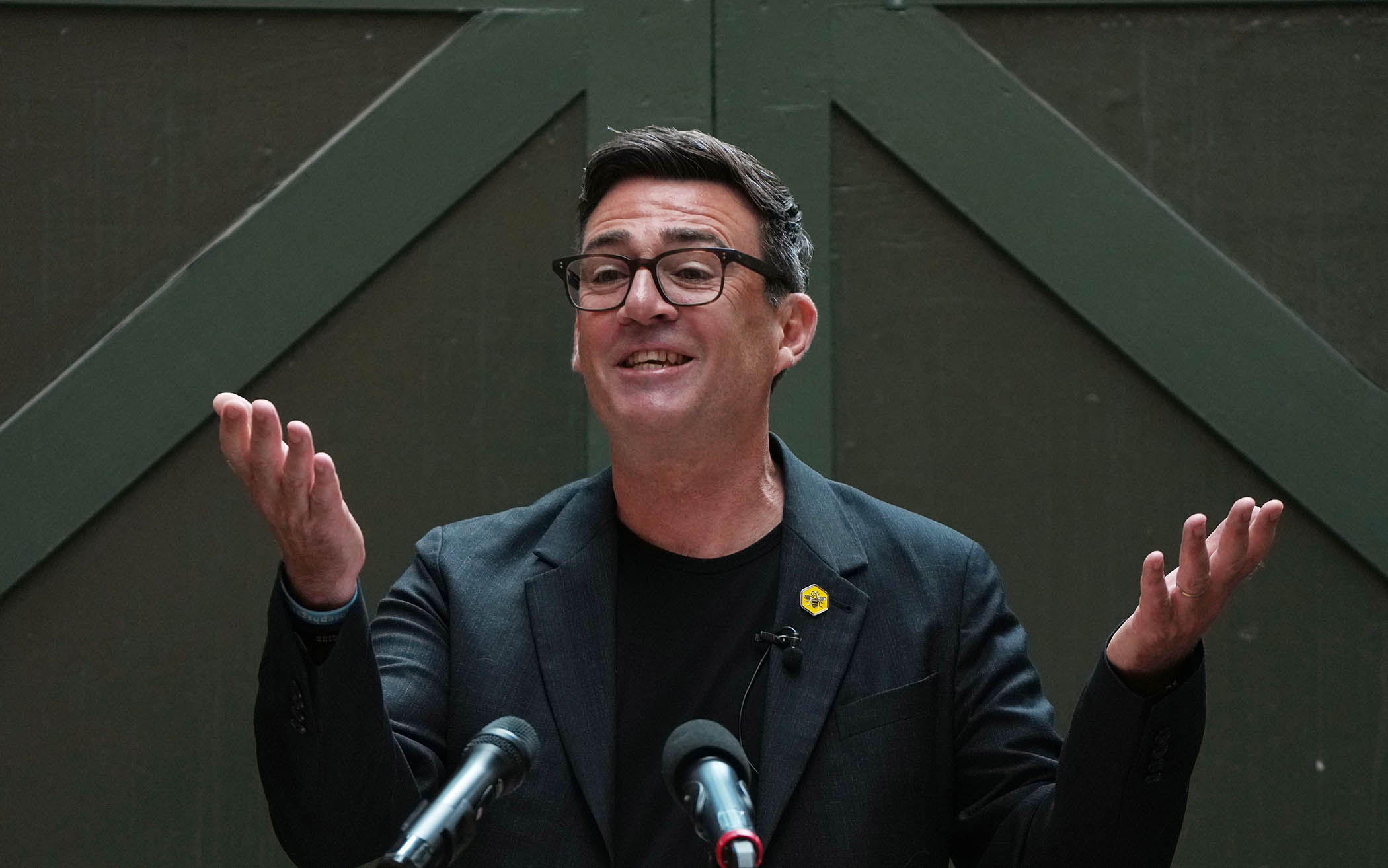
Their successful rearguard action against Streeting last week is seen as evidence for why the PM should carry on telling his would-be assassins to put up or shut up. Although he will not stop Burnham fighting a byelection in the now vacant seat of Makerfield, some in Starmer’s camp point out the Manchester mayor has not won it yet. To get voters’ support in this Reform-leaning constituency, Burnham may have to make pledges on immigration or Europe that would lose some of his lustre among more progressively minded MPs and party members. “Andy hasn’t been an MP for eight years or in government for 16,” says one Starmer ally. “He has no real team around him, no detailed policy programme and has so far received very little scrutiny. Let’s see how it all works out for him.”
Those holed up in Downing Street with him this week say Starmer does not want to to be forced out like this and finds his current plight particularly difficult because “Keir has never really failed at anything he has ever done”. To critics inside the party, any sign that Starmer might still try to hang on is just further proof that he has little instinct for politics and no ability to read the room. But they may be making the mistake of judging him by their own standards. If he is sometimes accused of looking miserable, it may be because he thinks that is better than appearing to enjoy power a bit too much.
Newsletters
Choose the newsletters you want to receive
View more
For information about how The Observer protects your data, read our Privacy Policy
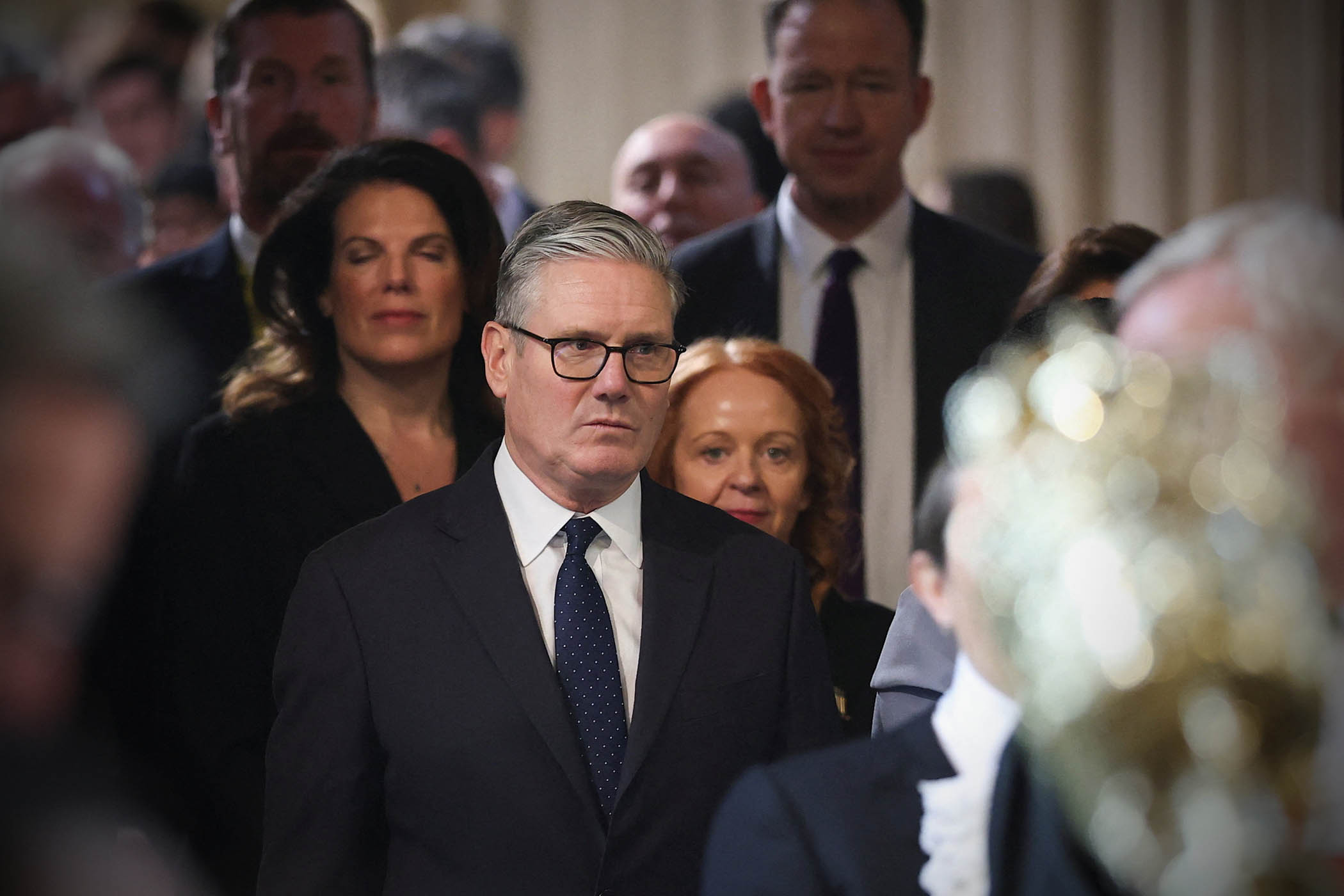
Keir Starmer walks through the House of Commons to attend the State Opening of Parliament
His refusal to quit last week, according to one of those closest to him, was not motivated by vanity or pride so much as being unwilling to “unleash chaos” on the British people as David Cameron did when he walked away following the Brexit referendum 10 years ago. It cannot entirely be a coincidence that the five prime ministers who have followed him are the five most unpopular holders of the post since records began. Even more remarkably, according to some polls, each has broken their immediate predecessor’s record for having the lowest ratings.
Indeed, the prospect of Britain having a seventh prime minister – and, in all probability, a eighth chancellor – in just 10 years might be seen in the eyes of the world to confirm Britain’s post-Brexit status as an increasingly unserious country. Starmer’s supporters continue to emphasise how, in these dangerous times, leadership speculation is already causing damage through increased borrowing costs while energy supplies are at risk from the war in Iran and key decisions need to be made about support for Ukraine.
Even so, any argument made about how a leadership contest will hurt the national interest only holds true if it is still possible to prevent one. Some of Starmer’s most ardent allies now accept his chances of lasting until the next general election are vanishingly small. If Burnham becomes an MP this summer, it will be difficult to make the case for delaying a succession much longer when the wheels of government are already slowing down to wait for a new occupant in Downing Street.
Burnham will try to show some magnanimity. His close allies are understood to have reassured Starmer that “Andy will not be walking up Downing Street with 81 nomination papers from MPs on his first day back” – and that he will take the lead in fighting the byelection for part of the Manchester mayoralty he is seeking to vacate. His camp envisages an implicit timetable in which Starmer leaves Downing Street after a valedictory party conference in September.
Some of Starmer’s team in Downing Street now also talk, softly, about how they want him to “leave with some dignity”. They fear he would never recover personally from being dragged out of Number 10 in front of the media’s carnival of chaos that seems to assemble outside Downing Street almost every year.
Jenny Chapman, who was part of the campaign team that got him elected as leader six years ago and now sits loyally in his cabinet, says: “What the past few weeks has shown more than anything else is how politics is very volatile and this can happen to any prime minister now. If there is a change of leader, we must ensure that we’re not here again in 18 months with another episode of the madness we witnessed this week. We need some time to let the dust settle and everything to calm down.”
Such time might yet allow some perspective to develop about Starmer too. He is only the fourth Labour leader to win a majority in a general election, has made mistakes – like all prime ministers do – but not crashed the economy nor taken Britain into an illegal war. He may not have all the qualities – such as making emotional connections and telling stories – deemed necessary for political success but he has extraordinary resilience and carries the weight of these times better than those that do.
Large parts of Britain are furious about all kinds of things that have complex causes and lead to contradictory answers, while successive governments have ducked long-term decisions for fear of courting more unpopularity. None of that will be obviously solved if we now “swipe right” for yet another new prime minister.
And, given all that, you have to wonder why any decent and rational person would even want the job at all.
Photographs by Toby Melville via AP, PA/Alamy