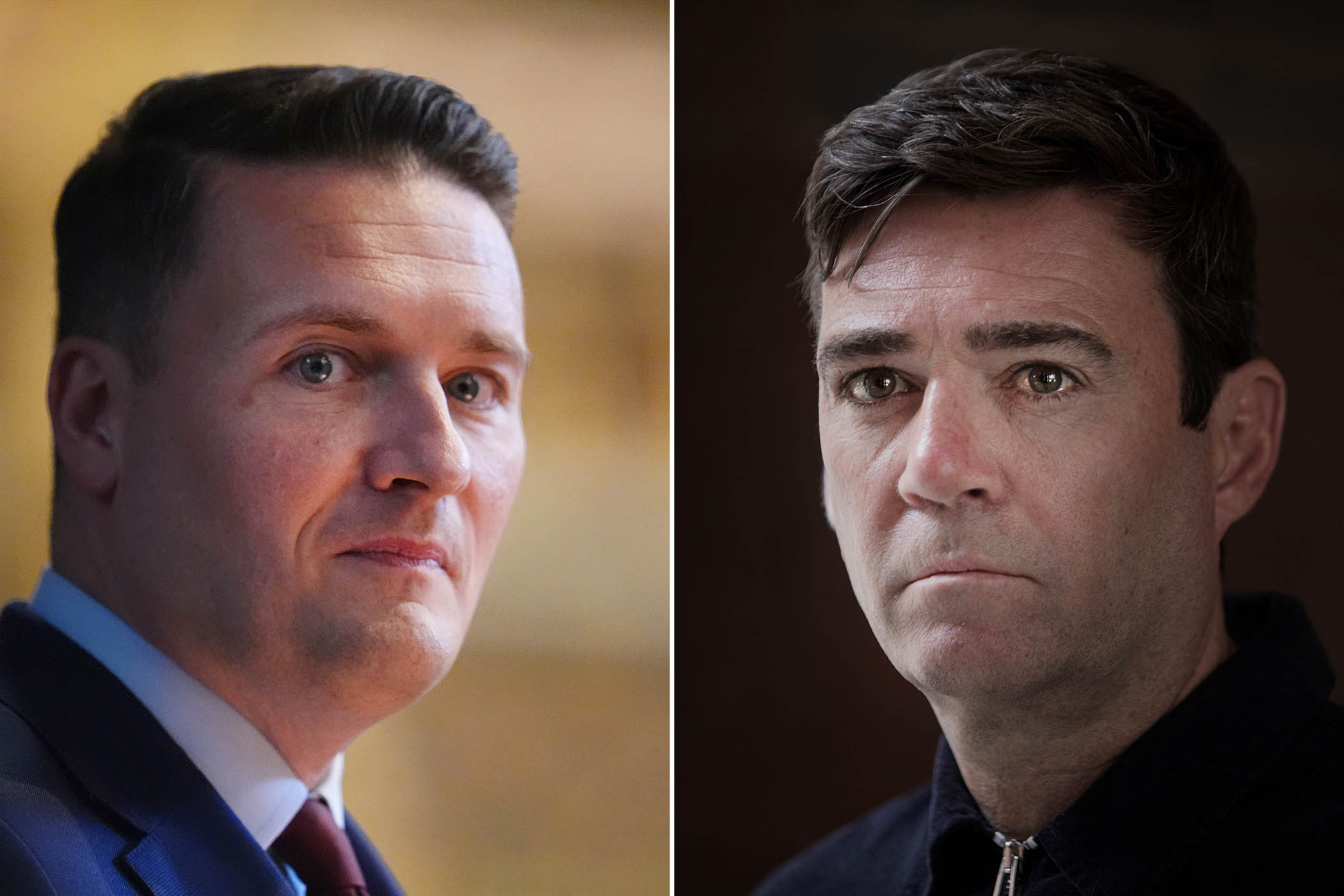

One of the first people Wes Streeting spoke to after he resigned from the cabinet on Thursday was Andy Burnham. The former health secretary and the Greater Manchester mayor discussed Labour’s catastrophic results at the local elections and agreed that Keir Starmer had to be replaced. Streeting said he hoped to see Burnham back in the House of Commons in time for any leadership contest. “It wasn’t a ‘deal’ conversation,” one ally said. “They just caught up on the situation. They agreed they were both looking forward to the opportunity to have a proper battle of ideas.”
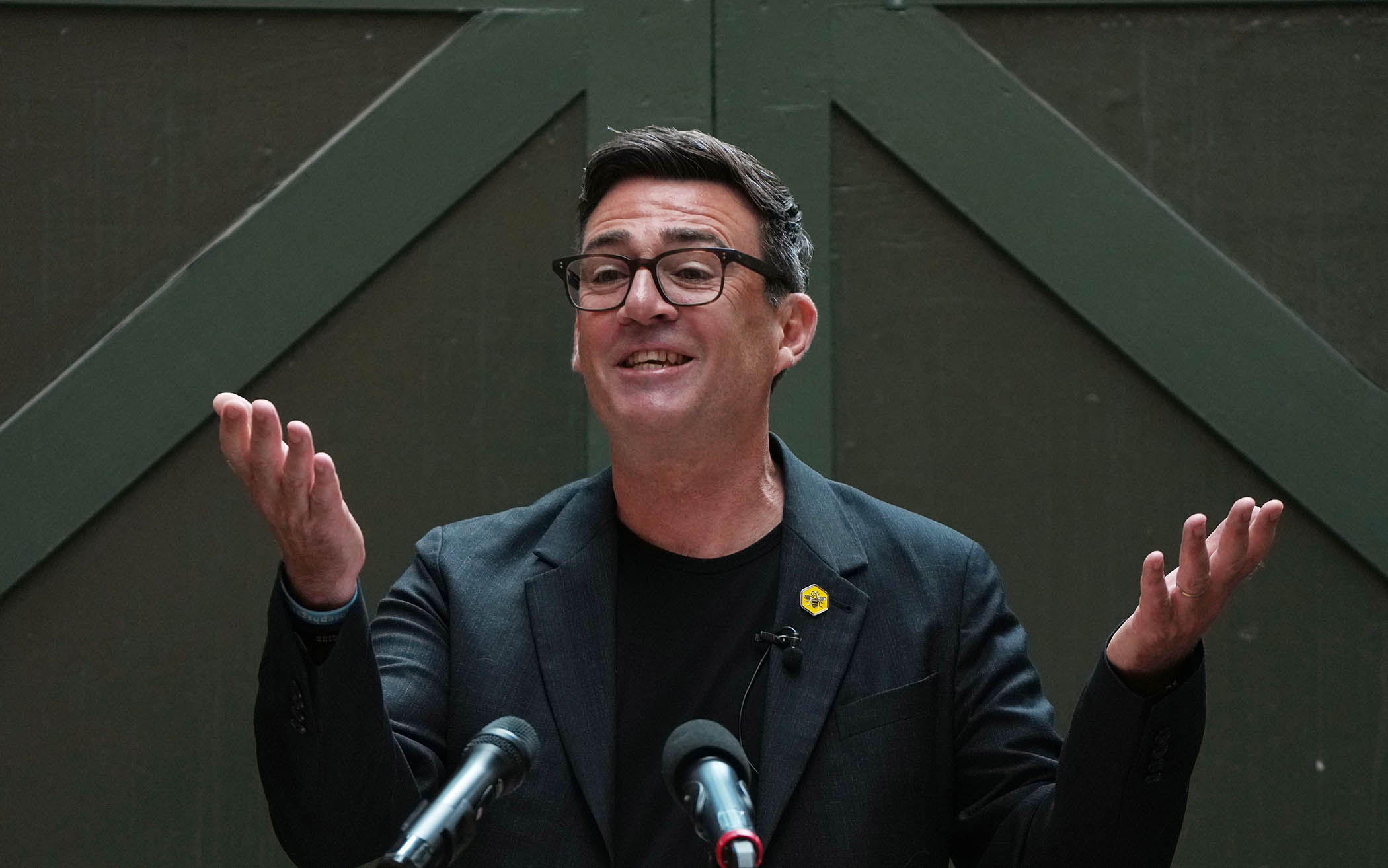
On Friday, Burnham was given permission by Labour’s ruling national executive committee to stand in the Makerfield byelection. He must now beat Reform UK in a “red wall” constituency where support for Nigel Farage’s party has surged. The messaging will be tricky – Burnham will in effect be saying: “Vote Labour to get Starmer out.” The prime minister will not be welcome on the campaign trail.
If Burnham does manage to get elected in Makerfield it will be taken as a sign that he could also challenge Farage on the national stage. He would be Labour’s “Heineken candidate”: the politician who is able win over parts of the electorate others cannot reach.
In those circumstances, many MPs think Streeting would pull out of the race. “The Andy bandwagon would be unstoppable,” one Labour source said. “He’d come triumphantly into the House of Commons, Wes would do a deal with him and it would effectively be a coronation. Burnham could be in Downing Street by the summer.”
Streeting’s team insists he will be a candidate in any contest, and others, including Al Carns, the armed forces minister, are also preparing to put themselves forward.
The policy debate has already begun. There has been a tendency to see the contest as a battle between the soft left and the Blairite right of the party. The reality is more nuanced. The potential candidates have very different views about the role of the state.
In Manchester, Burnham has been experimenting with new models of public ownership, including the Bee Network transport system, which brings together cheap buses, trains and trams. He has expanded council housing, integrated health and social care and created the Greater Manchester baccalaureate, or MBacc, a selection of subjects linked to seven industries that provide jobs in the region.
He favours a more active and assertive state. He has set out to slash the number of school exclusions and has supported greater controls on social media. Last year, he warned of the “risks to democracy” from the polarisation and misinformation on platforms such as X.
A new pamphlet called The Productive State: A Framework for Manchesterism, by the Burnhamite thinktank Mainstream Labour, which is published this week, calls for the public-ownership approach to be rolled out nationally to the national grid, water and energy companies. Its author, Mathew Lawrence, argues that expanding “Manchesterism” would deal with the cost of living crisis, support businesses and boost economic growth by driving down the price of essential services.
The state increasingly underwrites “dysfunctional markets” caused by privatisation, he suggests, adding: “Our welfare bill is going up and up, which the bond markets don’t like, but one of the reasons for that is because we haven’t built enough housing. Instead of saying we need to build more homes, we’ve responded to the symptom and increased housing benefit.”
Newsletters
Choose the newsletters you want to receive
View more
For information about how The Observer protects your data, read our Privacy Policy
Neal Lawson, one of the founders of Mainstream, said Burnham sees his philosophy as “business-friendly socialism” that rises above the traditional divide between left and right. “The golden bit of Burnhamism is the idea that you’ve got to reform democracy and the state in order to reform the economy,” he said. “That does take it out of the normal debate about spend more, spend less, be more pro or anti-capitalism.” Electoral reform must be an essential element of the programme, he added.
Streeting describes himself as a “progressive moderniser”. Like Burnham, he has been frustrated by the pace of reform under Starmer. “There is so much that is broken in this country and in the British state that you have to adopt the posture of disruption, shaking people out of this sense that we’re stuck and we can’t get out of it,” he told The Observer last year.
But his “theory of change” for the public services is based on empowering individuals rather than emboldening institutions. “Wes believes strongly that public services exist to serve the patient, the passenger, the people first – not the interests of the producer,” an ally said. “This is not about private versus public; it’s about services being as responsive to users as Netflix is to consumers.” According to a former cabinet minister who knows both men: “Wes sees choice and control as a means to greater equity, because the truth is, the better-off people do have choice and control. I think Andy sees choice and control as inimical to equity.”
There are differences between the pair on the economy too. Burnham has suggested he may raise the top level of income tax to 50% and has promised to loosen the fiscal rules, warning that the UK should not be “in hock” to the bond markets. Streeting said in his interview with The Observer that he is “really uncomfortable” with the level of taxation in this country. “We’ve got a level of indebtedness that we need to take very seriously,” he added.
Like Burnham, Streeting favours reform of the tax system to put a greater emphasis on wealth rather than income. He has advocated bringing capital gains tax into line with income tax. But he thinks any change must be introduced in a way that “encourages people to invest”, an ally said. Another friend insisted Streeting believed it was essential to “unleash the animal spirits in the British economy” to generate growth.
The two men agree on the need for welfare reform, however. Streeting was one of the ministers pushing for the two-child benefit cap to be scrapped. His “driving purpose”, according to an ally, “has always been that kids from working-class backgrounds like his should have the same choices and chances as those from the wealthiest”.
He is also on the same page as Burnham on the need to go further to stop children accessing social media, but there are tensions between them on education. Streeting worries that an increased emphasis on vocational learning could disadvantage poorer pupils. “My fear is that we end up going back to the days of social sorting, where working-class kids like me go to an apprenticeship and middle-class or upper-class students go to university,” he said last year.
Burnham voted for the Iraq war. Streeting briefly left Labour over the same conflict and voted against airstrikes in Syria. He pushed hard in the cabinet for the UK to recognise the state of Palestine, insisting there was a moral as well as a political case for doing so. In his private text messages to Peter Mandelson, when the latter was British ambassador to Washington, Streeting said Israel was “committing war crimes before our eyes” and described its actions in Gaza and the West Bank as “rogue state behaviour”.
Both Burnham and Streeting say they want to tackle the politics of division. The next Labour leader will need to start with their party. One former cabinet minister said: “Andy sees himself as a unifier, so he will need allies on the centre, not just on the left of the party.”
Photographs by James Manning via Getty Images, Gary Calton for The Observer