
As Amazon prepares a new era for James Bond, the first glimpse of the franchise’s future is not a film but a video game that aims to make the character relevant to a new generation.
When GoldenEye 007 arrived in 1997, expectations were modest. The film on which the Nintendo 64 video game was based had already been in cinemas for more than 18 months. Movie tie-ins were then understood as a debased form of merchandise. The reputation had been fixed by Atari’s 1982 adaptation of Steven Spielberg’s ET the Extra-Terrestrial, a game made in a few weeks by a single programmer, rejected by players and ultimately leading to the burial of thousands of unsold game cartridges in the New Mexico desert.
The typical demands of the movie tie-in (follow the film’s plot, reproduce its set pieces, meet the marketing department’s deadline) tended to work against the medium’s native strengths. Yet GoldenEye 007, made by the Leicestershire studio Rare, was a masterpiece, not merely surviving technological and creative limitations, but thriving despite them. For many millennials, it was a more vivid and lasting cultural object than the film after which it was named.
Its triumph, however, did not inaugurate a golden age of Bond games. They continued to appear, some competent, some forgettable, but none with the cultural force of Rare’s strange miracle. By the 2010s, the entire form had collapsed. In an industry where a major release might require hundreds of people and several years of work, games had become too expensive, and too technically intricate, to be treated as a film’s promotional material.
Read more:
This was the context in which six years ago the Danish game studio IO Interactive announced it had agreed to develop a new Bond game. The initial reaction was caution, not euphoria. “Making a Bond game was never really within our thinking or vicinity,” Hakan Abrak, IO’s chief executive, recalls. “We’ve always created our own characters and stories. Mentally we weren’t there.”
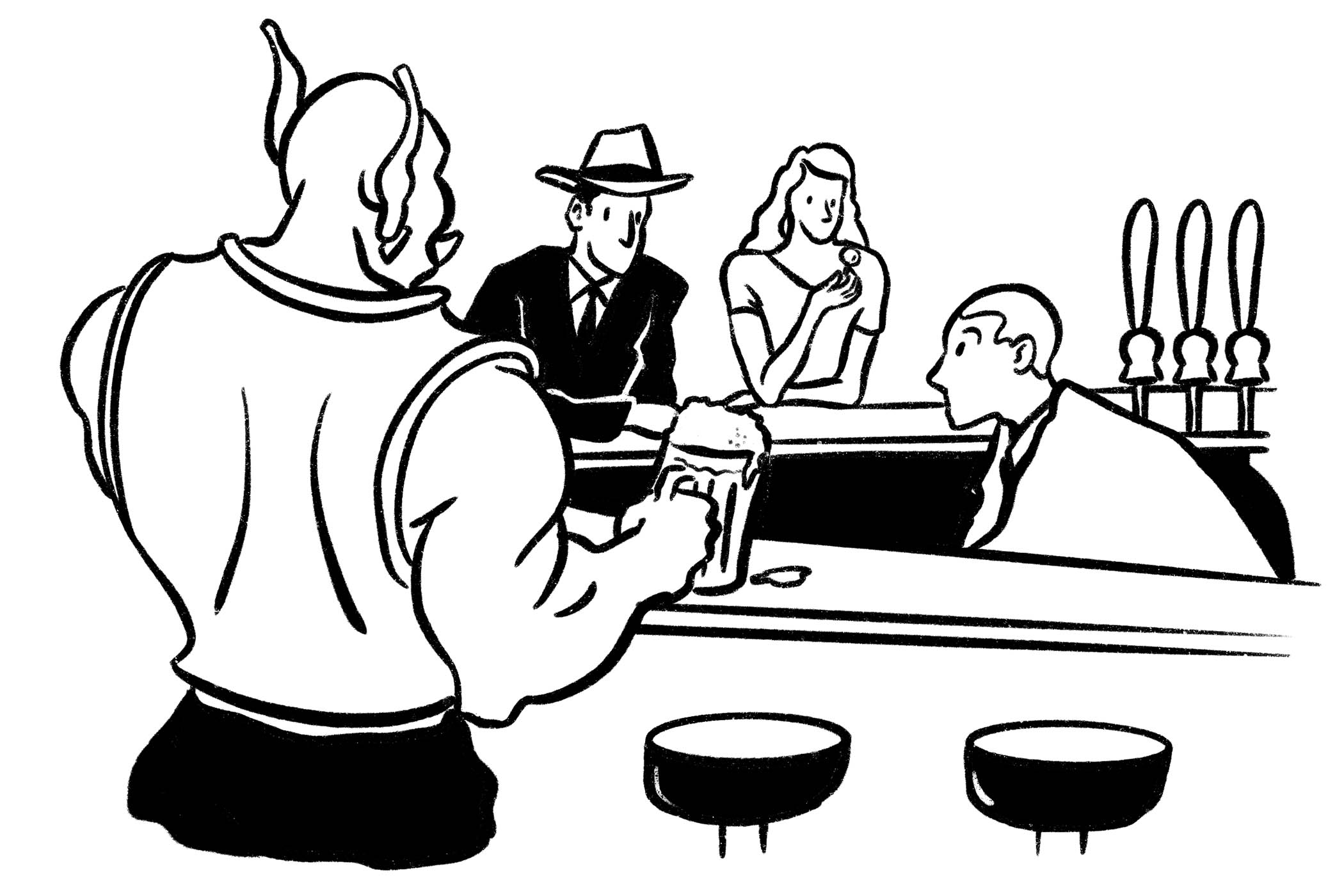
That reluctance is part of what makes 007 First Light interesting. This was not a work-for-hire studio grateful for access to a famous name and theme tune. IO already had its own homegrown assassin: Agent 47, the bald, barcode-stamped protagonist of Hitman. The Hitman series, which has 80 million registered players (about the same number as saw the most recent Bond film, No Time to Die, in cinemas), turns murder into social choreography. Across lavishly realised levels – galas, racetracks, embassies, vineyards, fashion shows – a target may be eliminated with a sniper rifle, a poisoned drink, a sabotaged chandelier, or some sequence of accidents whose logic becomes clear only at the moment of death.
007 First Light has been developed by the Danish team behind Hitman
The series has a beloved following, so for a studio that had spent decades refining its own secret agent fantasy, Bond was both obvious and risky. Obvious because IO understood better than almost anyone how to make espionage playable. Risky because a licensed Bond game could diminish the reputation that made the studio an attractive partner in the first place. Yet the allure of Bond was difficult to ignore. “We started looking at who we are and what our DNA is, and this dream of making a great Bond game kept growing stronger,” Abrak says. “We’re good at the social fantasy of being an agent, so we felt we could make a game that would feel different from any Bond game before it.”
The timing of IO’s decision proved unusually fortunate. When the studio signed on, Bond was under the long creative stewardship of Barbara Broccoli and Michael G Wilson, the heirs to the producing dynasty that had guarded the character since the 1960s. Amazon acquired MGM for $8.5bn in 2022, but the franchise’s direction remained bound up with the Broccoli family, whose caution had long been part of the brand’s mystique. Then, in 2025, Amazon MGM entered a new joint venture with Broccoli and Wilson, who stepped back from active creative control, enabling the new owners to explore new forms for the character.
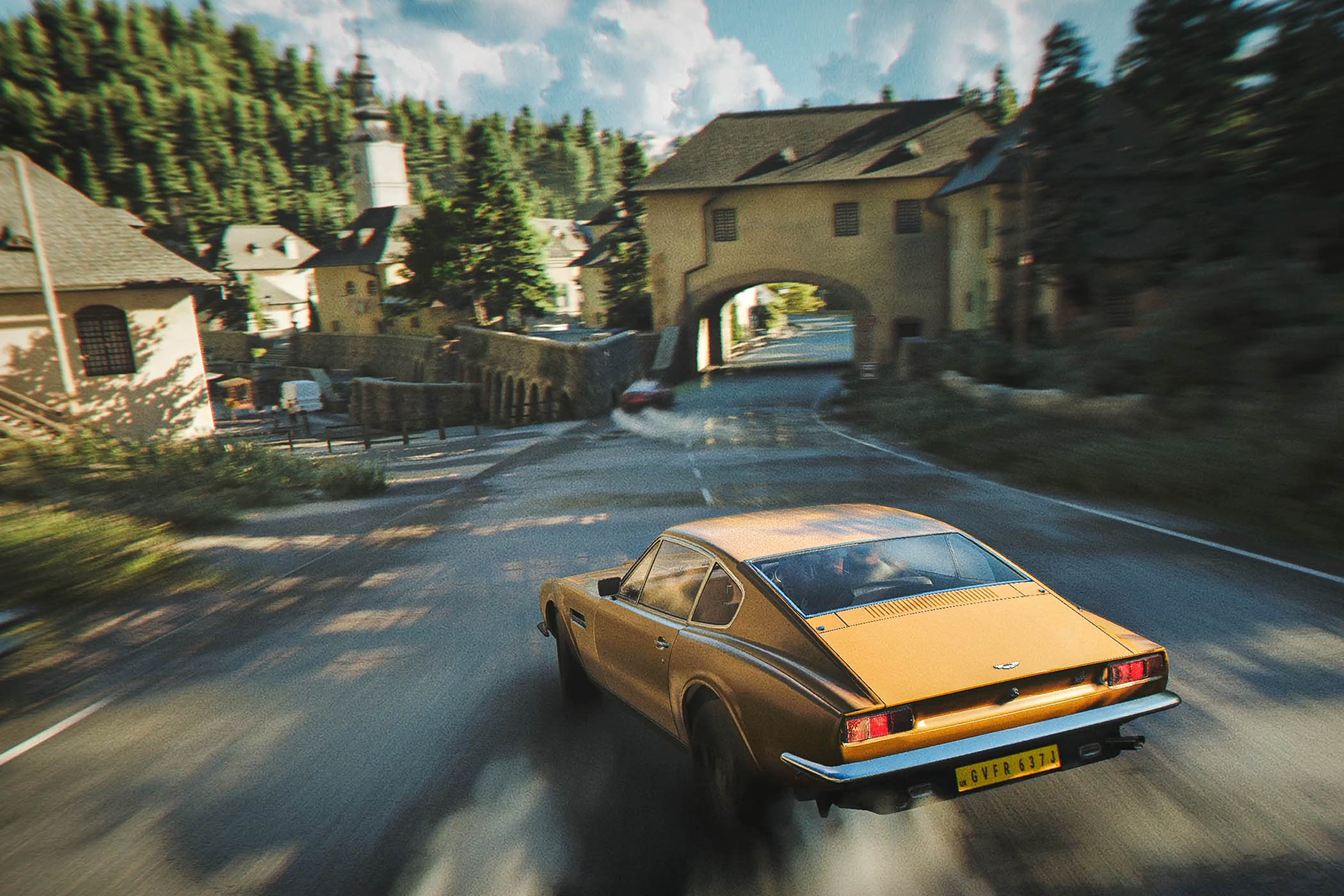
The question of who will next wear the tuxedo on screen is unresolved – though a new movie is in the works, written by Peaky Blinders’ Steven Knight, and to be directed by Dune director Denis Villeneuve. An equally important consideration for the studio, however, is one of identity. Is Bond still an emblem of postwar British style and pluck, a reassurance of Britain’s save-the-day relevance in a post-imperial world? Is he just an advertisement for the intelligence services, a handsome rack on which to hang luxury goods (Omega watches, Aston Martins, Barbour jackets and other trinkets, at various altitudes of affordability)? For young people these associations are mostly irrelevant period details. While the media classes obsess over which Hollywood actor will next inhabit the role, a successful video game probably has the better chance of introducing Bond to the audience on whose interest the character’s longevity now depends.
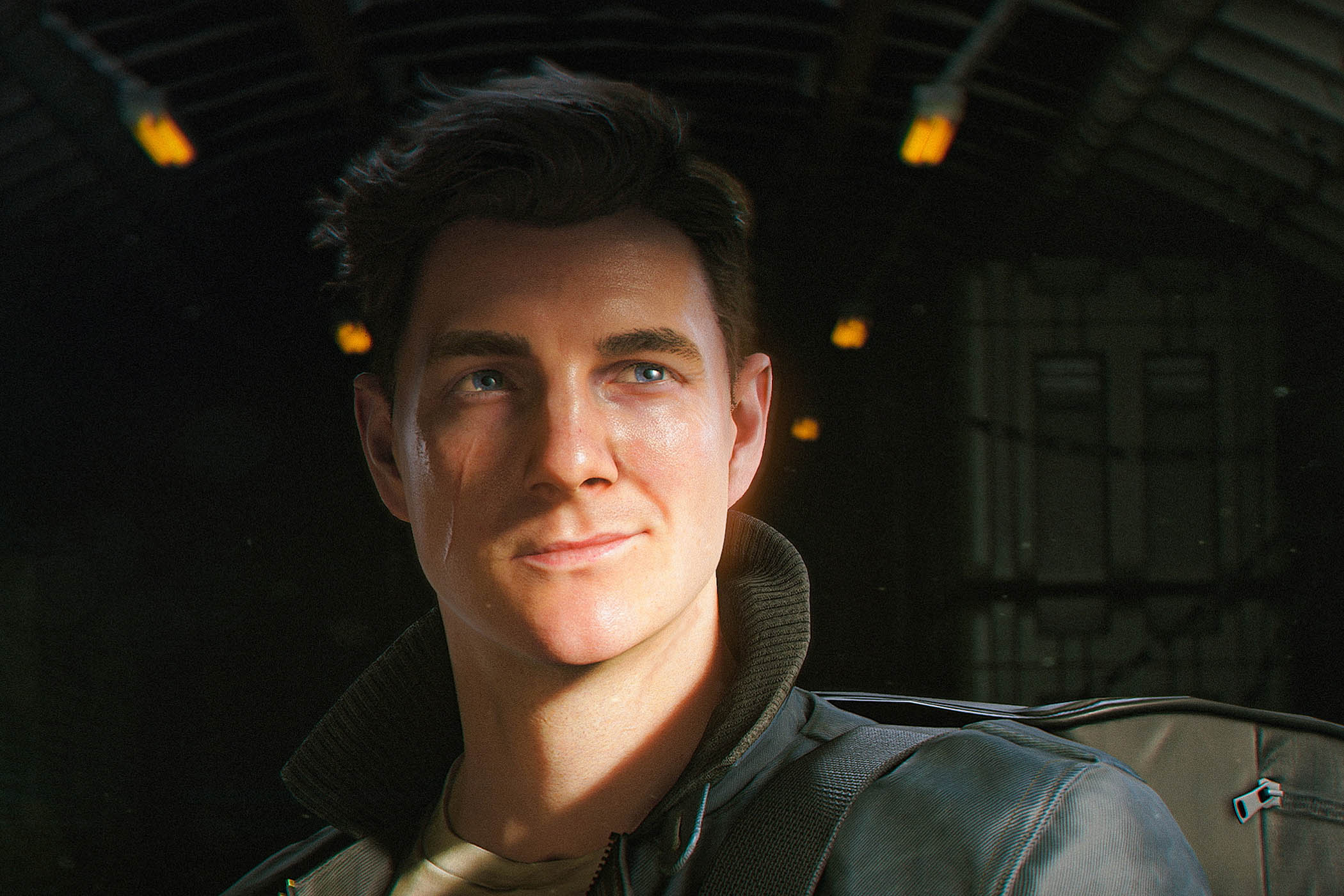
It helps, then, that IO has chosen not to begin with Bond fully formed. Instead 007 First Light imagines him in his late 20s, before he has become 007, an agent still in formation. “Even in Casino Royale, Bond has already had his first kill when the story begins,” Abrak says. “Here, he hasn’t.” That premise gave IO both a dramatic motor and narrative freedom. “When we created this Bond, everything about him – his demeanour, his values, his personality – had to be thought about through the lens of interactivity and gameplay. We knew that if we were trusted to create an original Bond from the ground up, it would give us much more motivation and energy to make something special.”
Among players, the pairing of IO and Bond was broadly received as ideal, almost too neat: the studio that had perfected the playable agent fantasy with Hitman taking on the most famous spy in popular culture. But the creative team soon discovered that the resemblance between Agent 47 and Bond was largely superficial. “Agent 47 is almost an empty vessel,” Abrak said. “He doesn’t express opinions or personality. In Hitman, the targets are the personalities. Bond is completely different. Bond is a hero. He has humour, charm and emotion. He talks. He improvises. He’s suave. That changes everything in terms of the game design.”
Newsletters
Choose the newsletters you want to receive
View more
For information about how The Observer protects your data, read our Privacy Policy
The difference also placed limits on player choice, the element that distinguishes video games from books and films. In Hitman, if players want to eliminate everybody in a level, they can. The game rewards elegance, but it accommodates mayhem. Bond cannot behave that way without breaking the fiction. “So we built systems around ideas like ‘licence to kill’,” Abrak says. “Bond can absolutely fight, shoot, use stealth and gadgets, but the violence has to feel justified and in character.”
Tone became a design problem. Hitman is funny because it is grisly; its comedy depends on the gap between the elegance of the setting and the grotesquerie of what the player is there to do. Bond demands a different register. “Hitman has very dark Danish humour, otherwise it would become too morbid,” Abrak says. “Bond brought us into British humour, which has been fantastic to explore. Danish humour is also very dry, so I think there was a natural affinity there.” The game, he said, also allowed IO to work with a broader emotional range: “There’s sadness in this story, but also hopefulness and humour. It gave us access to a much wider emotional palette than we’ve explored before.”
Amazon’s confidence in First Light is visible in the way the game is being framed, not as a licensed product but as a Bond event in its own right. Bond is played in the game by Patrick Gibson, best known for portraying the young Dexter Morgan in Dexter: Original Sin. Lana Del Rey performs its theme song. The launch party is to be held at the home of Bafta, near Piccadilly Circus – geography that places the game not in the old world of promotional afterthoughts, but in the ceremonial London of red-carpet prestige. The ambition, plainly, is to make First Light feel like a premiere.
Still, the shadow of GoldenEye 007 remains. For IO, as for almost every studio that has ever considered Bond in game form, Rare’s 1997 masterpiece is both an inspiration and a burden. “I love GoldenEye,” Abrak says. “I think everybody has a sympathetic relationship with that game. The timing, the platform, everything lined up perfectly.” But Bond, like the men who play him, survives by changing shape. “Bond is immortal IP,” Abrak says. “It keeps reinventing itself. I hope First Light can find its own chamber in players’ hearts alongside GoldenEye.”
That will be the real test of First Light: not whether it can imitate the remembered pleasures of GoldenEye 007, or anticipate the next film, or restore some vanished age of Bond, but whether it can prove that this is still a fantasy worth inhabiting, not as a relic in a dinner jacket, but as a young man becoming himself.
007 First Light is published by IO Interactive on 27 May