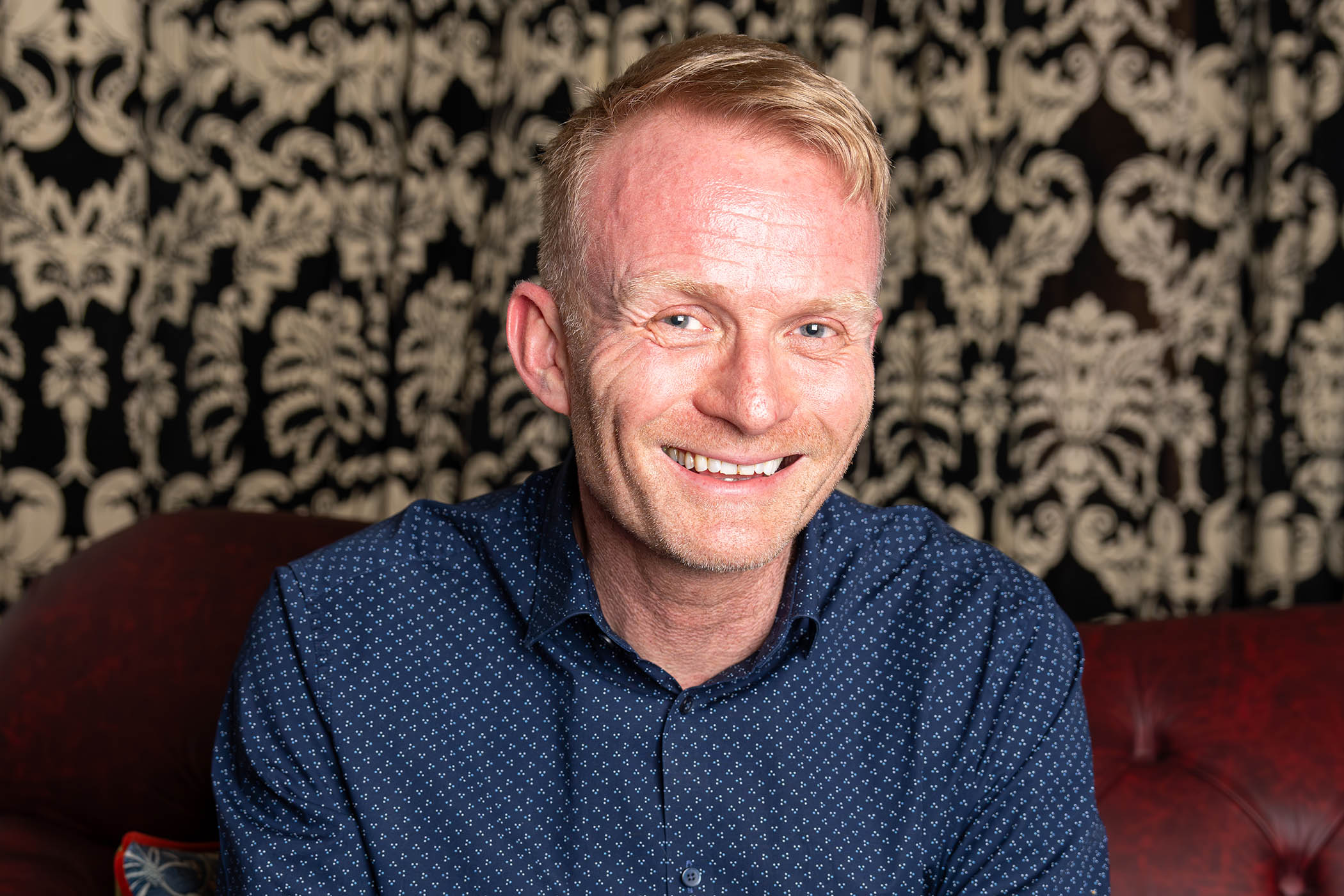


I couldn’t believe what I was reading: “They’ve been pushing this sick agenda for 100 years”, “More paedophiles in schools” and “Nobody is homophobic – we are homo-fatigued”. These are just some of the comments that appeared under a recent Bolton News article about me when it was posted on Facebook. The comments flung me back to a painful time in the past – and they threatened to disrupt my reconciliation with my hometown.
I’ve always had a fractious relationship with Bolton. Growing up in the 1980s as a sensitive and obviously gay child, I was the victim of savage homophobic bullying. At school, I was called “poof”, “queer” and “pansy”. Kids refused to sit next to me in case they caught Aids, and I was punched in the face in the middle of a PE lesson. Outside school, I was spat at in the street and my effeminacy was mocked by the family milkman and by tradesmen working in our home. I fled Bolton to find my tribe among fellow creatives and outsiders, first in Manchester and then in London.
But I was drawn back to Bolton by family events, especially the births of nephews and nieces. As the children grew up, I saw the town through their eyes and realised there was a lot to love: the beautiful Lancashire moors, the warmth of the people and the strong sense of community.
When I started writing novels, I set them in Lancashire and Greater Manchester. I was influenced by the region’s tradition of storytelling with humour and heart, from the character-based comedy of Victoria Wood and Peter Kay to classic Coronation Street. I found it was the perfect setting for stories celebrating human connection. As my books featured gay characters and themes, when they became bestsellers it felt like acceptance.
In 2015, Bolton held its first ever Pride event and I went back to stand on the steps of the town hall – lit up in the colours of the Pride flag – and make an emotional speech about my reconciliation with my hometown. When I looked out at the crowd, I tried not to wonder if it included any of my school bullies. I tried to ignore the fact that the catalyst for the event was the 135% rise in reported hate crimes against LGBTQ+ people in the town. I told myself that, even if things weren’t perfect, they were moving in the right direction. “For the first time in my life,” I declared, “I’m not just proud to be gay but also proud to be from Bolton.”
But when an article about me, my latest novel and the LGBTQ+ publisher I’ve set up appeared in the Bolton News, its post on Facebook was greeted by insults that have jolted me back to the school playground. “Deviant perverts,” the Facebook comments read, “We don’t want queer stories”, and “More paper for bonfire night”.
It’s a startling change. The Bolton News has always been supportive of my career, just last year running an article on the MBE I was awarded for services to LGBTQ+ culture – and that didn’t generate any online backlash. I can only assume it’s because I launched a queer publisher during a local election campaign, with Reform UK pledging to take down Pride flags and cancel initiatives aimed at diversity and inclusion. As one Facebook user commented: “He’s probably going to vote for the greens or labour.” The fact that Reform has made significant gains across the country – including in Bolton – I find truly chilling.
It does make me wonder if, more generally, homophobia is on the rise. This is the premise of Russell T Davies’s new drama Tip Toe, screening on Channel 4 and is about the feud between a gay bar-owner (played by Alan Cumming) and his neighbour (David Morrissey). Davies has described it as his “angriest and darkest” series yet. I certainly agree with him that, online, some media outlets (and I don’t include the Bolton News) deliberately post articles with clickbait headlines to stir up hatred and boost engagement, and although there are laws regarding hate speech on social media, there doesn’t seem to be any policing. But the threats are sometimes terrifying. Responding to a Facebook user who defended me, one person wrote: “You’d best never leave your home because we are everywhere.”
Although I was upset by this barrage of homophobia, I wasn’t entirely surprised. Throughout history, when the rights and visibility of minority groups have improved, there’s often been a backlash. There’s no giving up the fight: and that applies to any form of bigotry.
But at the age of 51, I’m exhausted by the battle. It’s lucky, then, that I have a new weapon in my LGBTQ+ publisher. And what did we choose to call it? Pansy, to reappropriate a homophobic slur. And, despite the local election results, when I launch Pansy with my next book, I’ll be doing it from Bolton.
Newsletters
Choose the newsletters you want to receive
View more
For information about how The Observer protects your data, read our Privacy Policy
The Castle of Stories will be published by Pansy on 4 June and is available to pre-order.
Photograph by Nordin Catic/Getty Images for the Cambridge Union