BOOK OF THE WEEK
Vigil by George Saunders
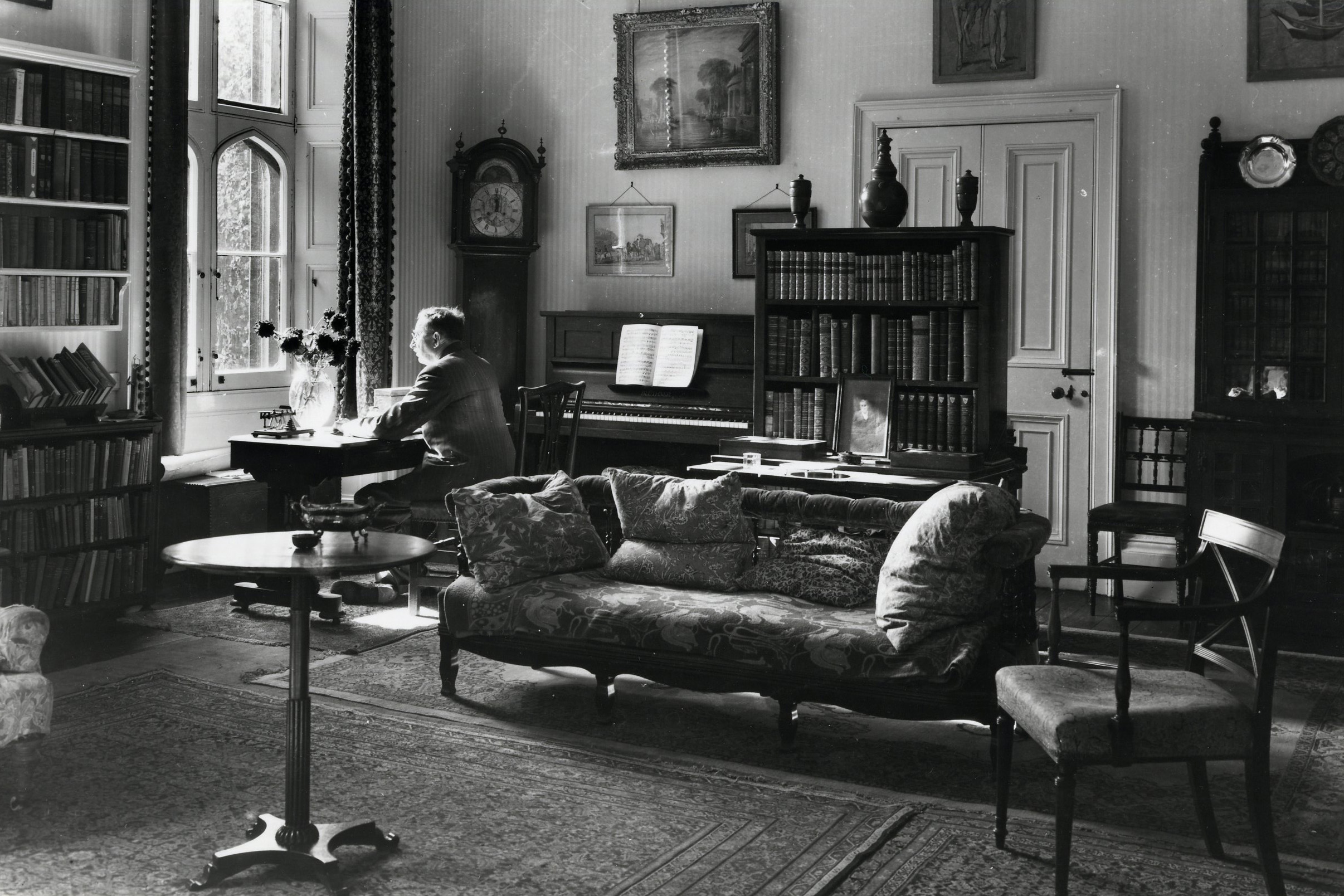
You might know George Saunders from his wild and magnificent Booker prize-winning novel Lincoln in the Bardo, or the satirical, surreal short stories he has been publishing since the mid-1990s. If you have read him, you’ll know that however dark his work can get, there is always a river of sympathy, kindness, even sentimentality running through it. His bravura new novel Vigil, writes Anthony Cummins, is no exception. Its narrative of a dying oil executive being visited by spirits from beyond the grave seems “a vehicle for consideration of the ways and means of fiction – not least in the current political moment, which is liable to assail any writer with self-doubt”. If fiction isn’t equipped to change the world, it can at least provide “consolation” – a gift that Saunders offers in abundance.
Read the review | Order the book
WHAT TO READ NEXT
Strangers: A Memoir of Marriage by Belle Burden
“No breakup tales elicit greater fear than those involving a partner who walks out without warning and does not look back,” writes Olivia Ovenden in her review of Strangers. “Is it really possible to sleep next to someone for decades and for them to remain unknown?” This is the question at the heart of Belle Burden’s memoir, a riveting account of the sudden collapse of her marriage and dissolution of her gilded family life. In her own story, she finds echoes of the broken marriages of her mother and grandmother – and her book attempts to “stop the cycle”: seizing back the narrative on her behalf, but also theirs.
Read the review | Order the book
The Indian Caliphate: Exiled Ottomans and the Billionaire Prince by Imran Mulla
This week we are marking The Observer’s media partnership with the Jaipur literature festival, showcasing writers associated with the event in the capital of Rajasthan. One such writer is the journalist and historian Imran Mulla, whose new book tells the remarkable story of Abdulmejid II, the last Ottoman caliph. Exiled by Atatürk, Abdulmejid tried to recreate the caliphate in the Indian state of Hyderabad – for a while it seemed this would be, as British administrators said at the time, the “greatest Mohammedan power”. In his review, the critic Abhrajyoti Chakraborty charts its rise and fall, and what it tells us about modern India.
Read the review | Order the book
Paperback of the week: The Tiger’s Share by Keshava Guha
In Keshava Guha’s second novel, Delhi is not just a setting but the subject. Hanging over India’s capital, writes Chris Power in his review of The Tiger’s Share, is “the poisonous air that wreathes the city from October to February, a hellish combination of burning fields, smoke from factories and power plants, vehicle exhaust and construction dust”. Guha’s story of disputed family inheritances, “filled with sharp observations of social politics, enjoyably flawed characters and tense set-pieces”, paints a picture of modern Delhi in which toxicity is not confined to the skies.
Read the review | Order the book
ENDNOTES
At the Jaipur literature festival, The Observer New Review editor Tim Adams spoke to the historian Hallie Rubenhold (The Five, Story of a Murder) and the Booker prize-winning novelist Richard Flanagan (The Narrow Road to the Deep North; Question 7) about – respectively – the nature of true crime and the big questions of existence. Both are fascinating interviews; here’s a taste.
Hallie Rubenhold: “People read crime fiction for a number of reasons. They read it because it’s a great puzzle. But in reality, crime is not that kind of mystery. A murder is something which is more like an explosion: all of these people in proximity to the victim will be hit by the shrapnel of it.”
Read the interview | Order Story of a Murder
Richard Flanagan: “I think perhaps the problems of our age are not just the awful things happening around us, but that we too easily take our compass from power. If you look at your phones and your screens all the time, all you see there is power’s propaganda. And if you take your compass from that, there is only despair. But that’s not the real world. The real world is the people around you: your family, your friends. If you look to them, you see flawed people like yourself, but you see kindness and goodness every day. And that is a source of enormous hope.”
Read the interview | Order Question 7
Illustration by Charlotte Durance
Newsletters
Choose the newsletters you want to receive
View more
For information about how The Observer protects your data, read our Privacy Policy