
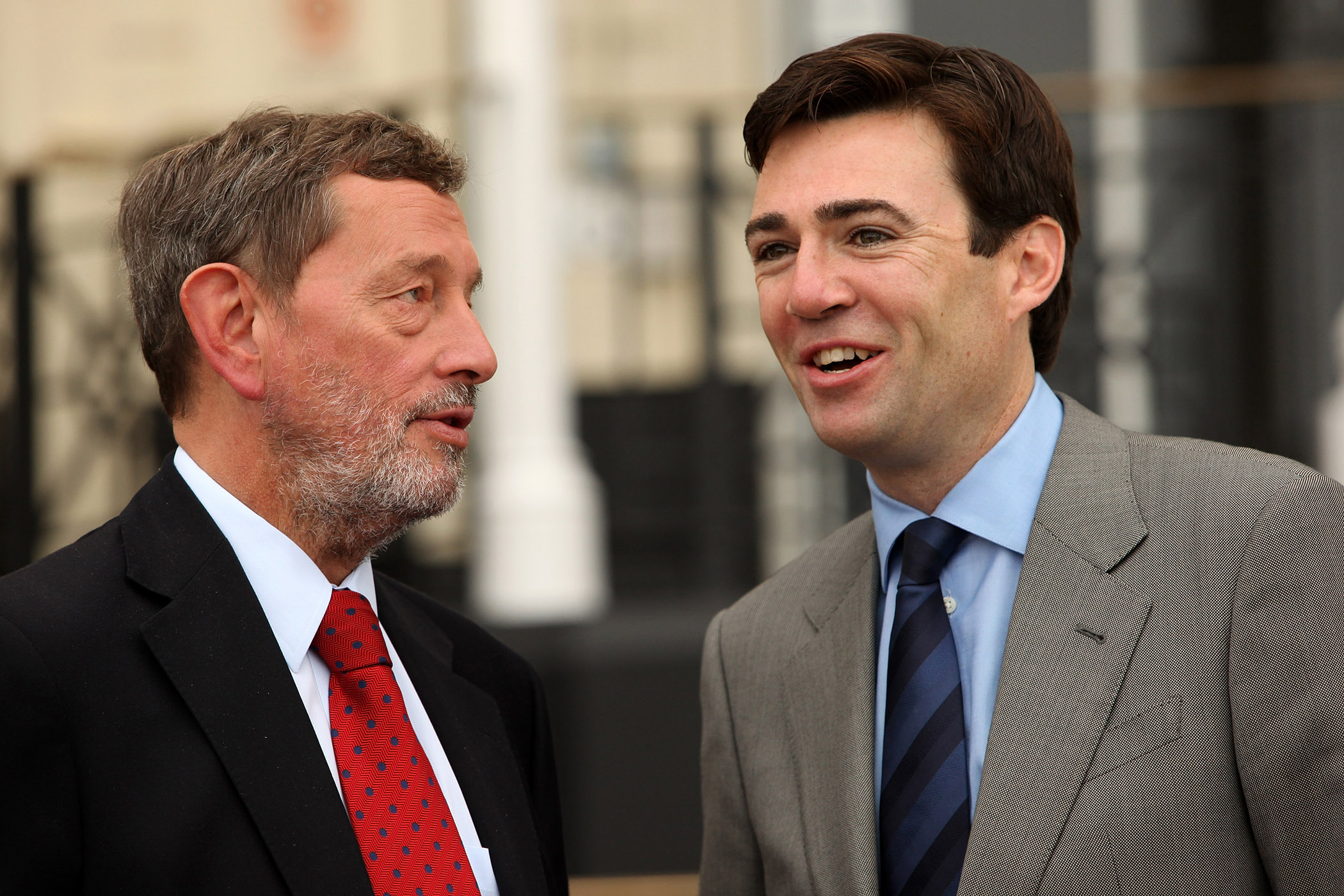
Andy Burnham will find his Downing Street in-tray filled with economic and social challenges. We asked eight experts how he should tackle them. In this analysis, Ben Zaranko looks at social care. Click here for the rest of the series
Andy Burnham has talked about the urgent need to fix adult social care. He won’t be short of places to start. I can think of at least three big problems.
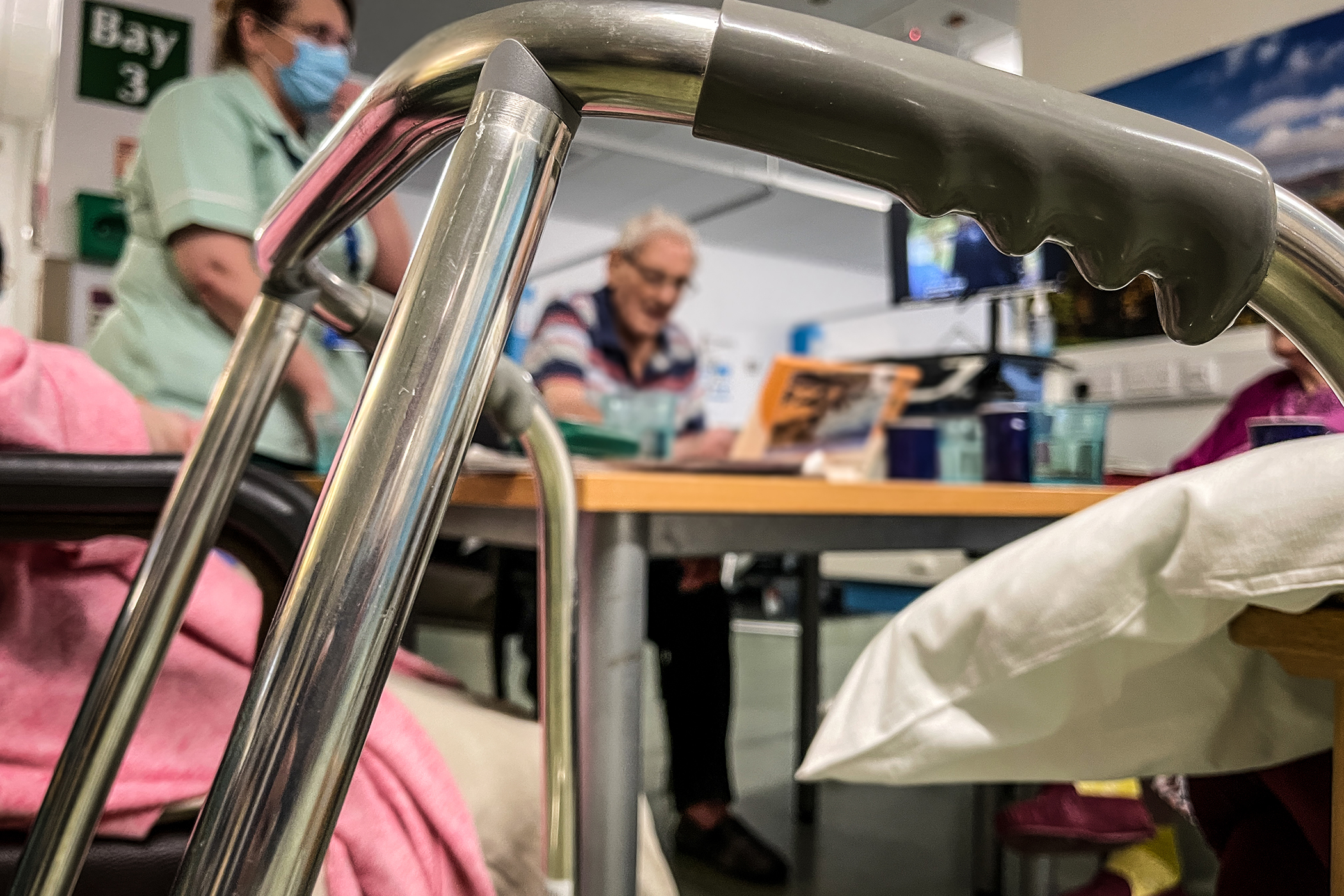
The first is that the English system – as currently configured, without any new responsibilities added on top – is struggling to deliver care to the people it’s supposed to. (The devolved governments are responsible for social care in Scotland, Wales and Northern Ireland.)
From 2004 to 2024, the number of people aged 65 and above in England increased by 3 million, or 38%. Over the same period, the number of people aged 65 and above receiving long-term social care support fell by 235,000, or 37%. In large part, this is because it has become harder to qualify for and to access support from cash-starved councils.
So, before embarking upon any grand reform, the new government ought to make sure that councils have sufficient funding to deliver what’s already being asked of them. It will also need to ensure that the country has enough care workers – whether by improving pay and conditions to attract domestic workers or reopening care worker visas to overseas applicants, or both.
Second, there’s the question of how much people should be asked to contribute towards their care. One in seven people are expected to incur care costs of more than £100,000 over their lifetime. There is no cap on what someone can spend. The result is that people are left uninsured against a big, scary, unpredictable financial risk in old age.
One policy option, regularly floated, and sometimes even legislated for, is some sort of cap on social care costs. That would pool risk across the population – “bringing the magic of averages to the rescue of millions”, as Winston Churchill once famously said of postwar social insurance schemes.
There’s much to be said for this, and previous proposals could be picked up and dusted off relatively easily. It would, however, cost billions, raising the thorny issue of where that money should come from. Some sort of social care levy, perhaps – but levied on what? Inheritances, and risk it being dubbed a death tax? Earnings, and face accusations that Labour’s manifesto promises have been broken? Borrowing isn’t a credible solution.
Third, there’s the interaction with the funding of local government. Social care is the responsibility of 153 separate local authorities in England, which get most of their funding from local property taxes such as business rates and council tax. These revenues don’t map neatly on to local care needs. You cannot meaningfully reform social care without also reforming how those local authorities are funded.
One ambitious option would be to go for what Dan Mead, an economist at the thinktank ThinkLabour, calls a “big bang”: simultaneously reforming property taxes and taking responsibility for funding social care away from councils, thereby freeing them up to focus on other local services (such as bins, potholes and parks – what Mead calls “the shop front of the state”). This would create losers, be complicated and take time – but the course of true radical social care reform never did run smooth.
Newsletters
Choose the newsletters you want to receive
View more
For information about how The Observer protects your data, read our Privacy Policy
This is far from an exhaustive list. The key point is that the sector is in a mess, and government after government has talked the talk on social care reform and drawn up technical solutions, only to duck the challenge and decide that it’s not enough of a political priority.
Louise Casey has been tasked with developing “long-term” reforms for the sector, and is set to make recommendations in 2028. If Andy Burnham wants his government to be different, and wants to have a proper crack at fixing social care, he could ask her to bring those forward. Otherwise, any changes risk getting punted into the long grass beyond the next election, where past experience suggests they’ll get lost.
Ben Zaranko is The Observer’s Economics Editor
What are your thoughts on this? Send us a letter to letters@observer.co.uk
Photograph by Matt Cardy/Getty Images
______________________________
Other articles in this series: