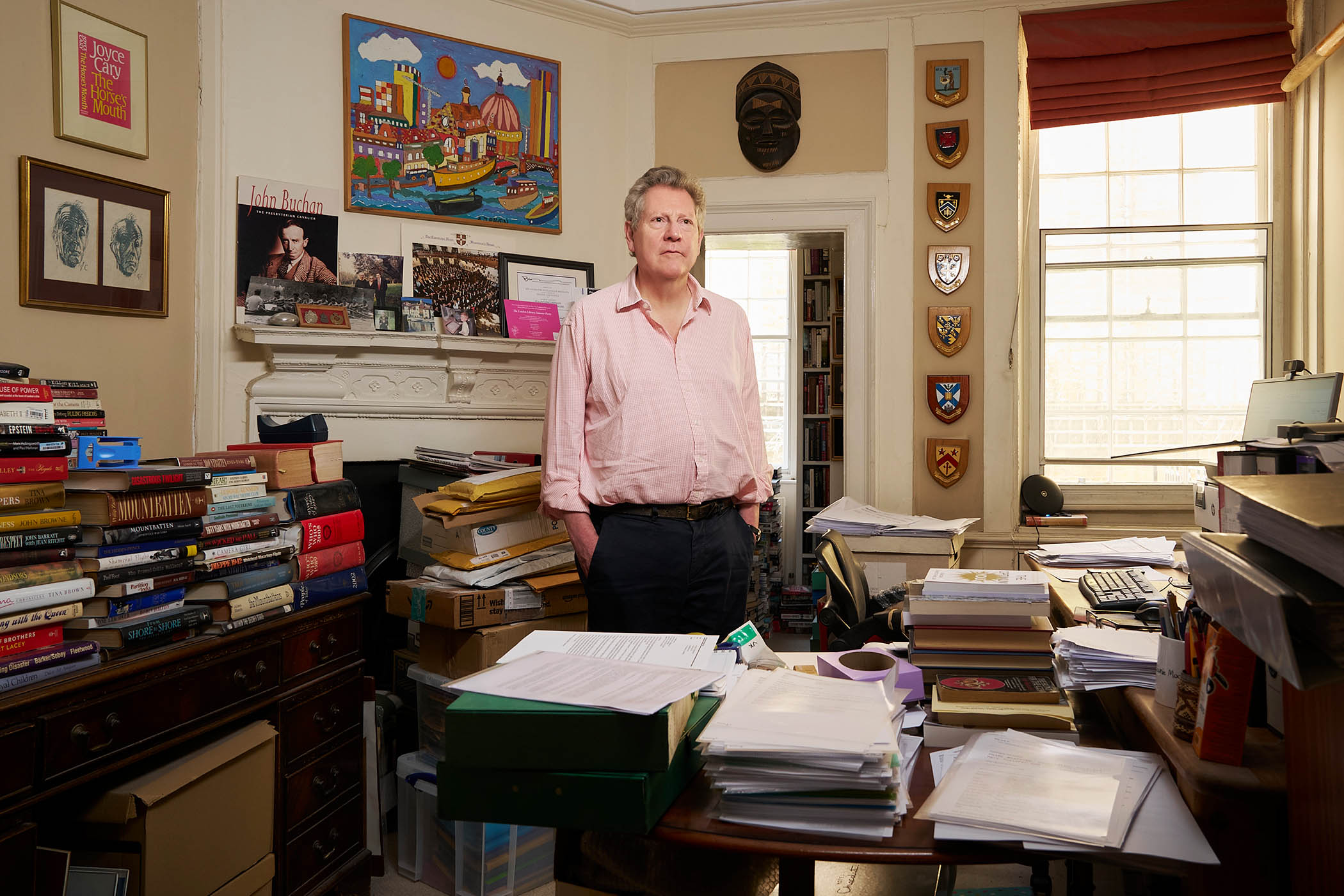


Portrait by Suki Dhanda For The Observer
In the heart of Westminster, a few minutes’ walk from the Houses of Parliament, is a small row of early Georgian townhouses. You could imagine, in years gone by, a Tory minister’s London home: elegant, traditional, conservative. In many ways, those are the values shared by Andrew Lownie, the literary agent, author and longtime occupant of one of these addresses.
Given to wearing the kinds of pink shirt that a gentleman may buy in Jermyn Street, he is – private school, Cambridge – the picture of upper-middle-class conformity. Yet few people in recent history have rattled the gilded cages of the privileged quite as loudly as Lownie with his bestselling book Entitled: The Rise and Fall of the House of York.
The book doesn’t raise eyebrows so much as leave them in a state of elevated paralysis. On almost every page of more than 400, there is at least one shocking revelation. As the former New Yorker editor and royal watcher Tina Brown wrote, Lownie “has the sensationaliser’s gift for creating an unrelenting continuum of moral disgust”.
Lownie’s sedulous documentation of the scandals and corruption surrounding Andrew Mountbatten-Windsor and his former wife, Sarah Ferguson, have put royalists on the defensive on several fronts. But perhaps most embarrassing is his revelation of the establishment habit of indulging behaviour that runs counter to British interests.
“I’ve been called a republican, a Marxist,” he says to me, alarmed by the thought. “Do I look like a republican or a Marxist?” No, he looks like a pillar of society: but, as he knows, looks can deceive. “No figure could have been more British and establishment,” Lownie wrote of the Cambridge spy Guy Burgess in his acclaimed biography Stalin’s Englishman.
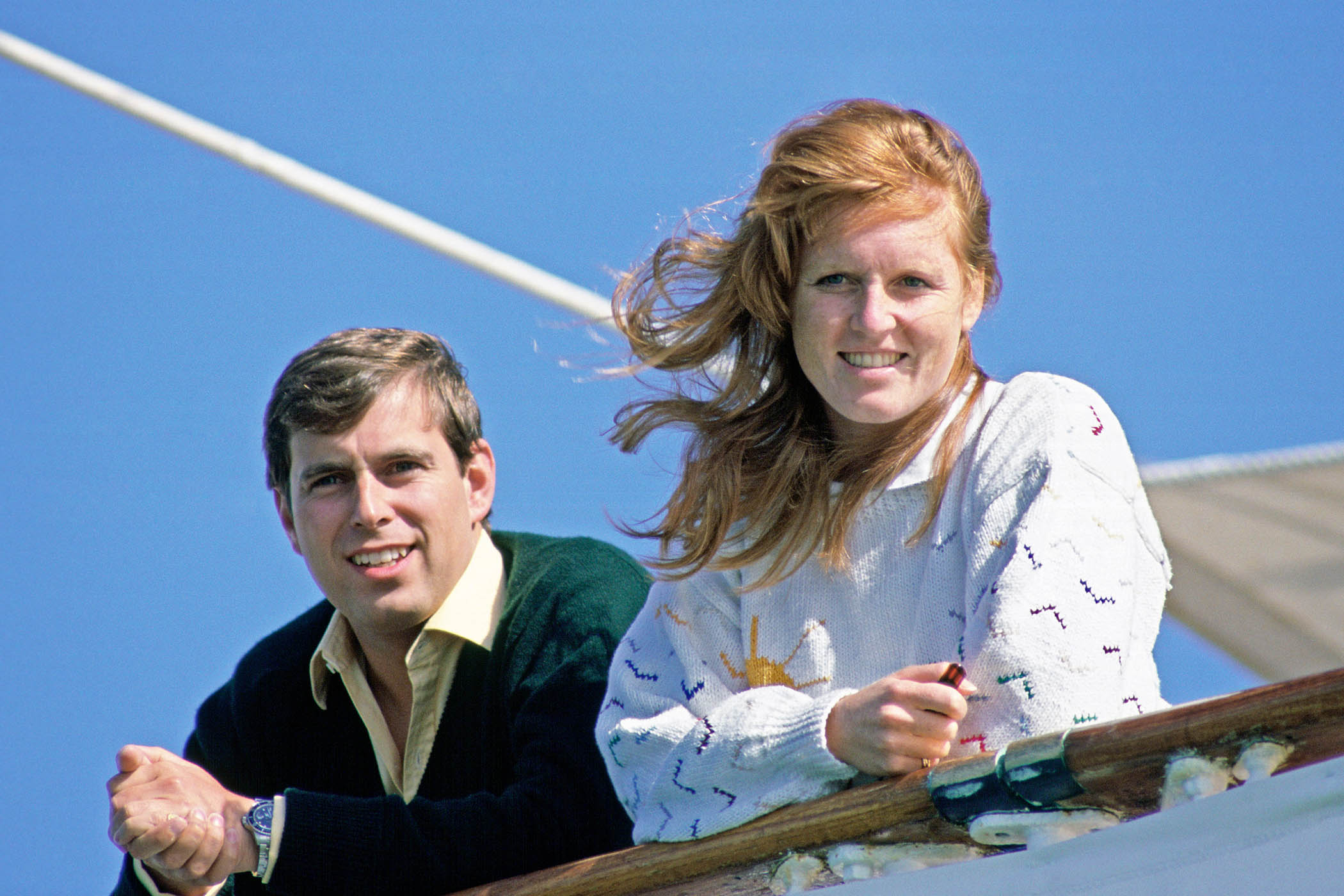
Mountbatten-Windsor and Ferguson returning from their honeymoon in 1986
Lownie, an avowed royalist, is no traitor to the state, but at this moment, the republican cause has no more productive ally. He has recently updated Entitled for the new paperback edition after the Jeffrey Epstein files showed that Mountbatten-Windsor and Ferguson stayed in friendly contact with the convicted paedophile financier for much longer than either claimed. A new chapter contains a history of what Lownie describes as the former duke’s “sexual predatory behaviour”, and claims that Ferguson had an affair with – and introduced her two daughters to – the US rapper and music producer Sean “Diddy” Combs, found guilty last year of two counts of transportation for prostitution. Mountbatten-Windsor and Ferguson deny any wrongdoing.
Aside from the book, the author puts out a daily Substack – The Lownie Report – along with podcasts that provide a stream of allegations against the Yorks and the whole secretive superstructure of the royal bureaucracy. He has also united with the former Liberal Democrat MP and arch monarchy critic Norman Baker to campaign for royal transparency and accountability.
Lownie compares himself to the historian John Grigg, who was physically assaulted in the street in the 1950s after he called for a more “classless” court around Queen Elizabeth II.
“At least I haven’t been punched in the face yet, which will come, I’m sure,” he says. “I want the institution to survive, but only as something that carries moral authority.”
A literary agent specialising in nonfiction for almost 40 years, Lownie is founder and president of the Biographers’ Club, and his first two biographies – 20 years apart – were on John Buchan, author of The Thirty-Nine Steps, and Burgess, eminently sober works. So why the shift into royalty?
Lownie had little interest in the royal family, he says, much less royal biographies.
“All these royal writers had a very good living writing crap, basically, for years, and now they’re a bit upset that someone who doesn’t have their sources can do this just by doing a little bit of digging.”
He refocused his attention on the royals, he says, because his biographical curiosity lies in the gap between curated historical narrative and reality. He realised that, in the case of the monarchy, the gap was conspicuously wide and well maintained.
“Royal history is all covered up,” he says. “I’m intrigued by what I call ‘rogue royals’ – the naughty ones, the ones who don’t play ball. They’re so dysfunctional; they’re a biographer’s gift.”
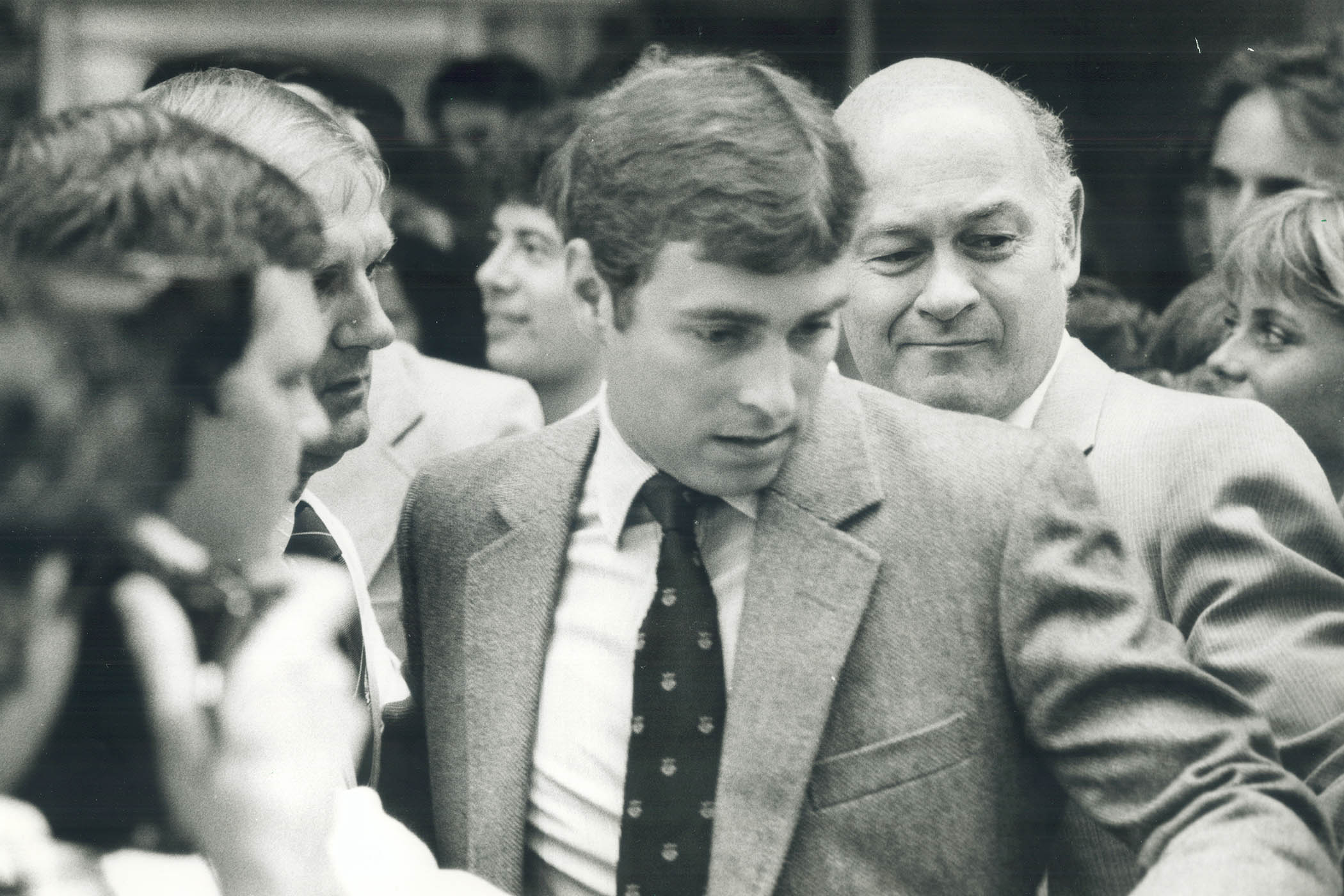
The former prince in Toronto, 1983
We are sitting in his ground-floor study, two interlocking rooms with stalagmites of research books for his royal couples trilogy rising from several desks. The first in that series, The Mountbattens, dealt with Lord Mountbatten’s open marriage, then Traitor King examined the myths and facts of the Duke and Duchess of Windsor’s relationship, leading to Entitled, the account of the Yorks’ material and carnal excesses.
Lownie’s original intention was to assess the accuracy of the image of happy divorcees the Yorks have projected. “But as I began to dig into it, I realised it was much more a story of endemic corruption within the royal family.”
Although almost two years younger, Lownie, 64, was in the same school year as Mountbatten-Windsor, 66, but at Fettes College in Edinburgh, rather than Gordonstoun, more than 150 miles farther north, where the then prince boarded. The age discrepancy, Lownie jokes, was down to the older boy being “thick”. But the social proximity meant that he knew a number of Mountbatten-Windsor’s Gordonstoun contemporaries, including someone who used to do the young prince’s homework.
That person, in turn, supplied other names, and so Lownie’s research base took shape. The naval officers Mountbatten-Windsor had served with soon followed. A number Lownie approached were only too eager to share their memories of a young man who switched between arrogance and insecurity, who struggled to trust anyone and found it difficult to form meaningful relationships with his peers. With the exception of the Falklands war, Mountbatten-Windsor’s time in the navy was unremarkable, save for the exotic breaks he regularly took.
That the Yorks are globetrotting freeloaders with a limited appetite for civic duties has been well known for years. Where Lownie breaks new ground is in showing the dizzying scale of the duo’s dissipation.
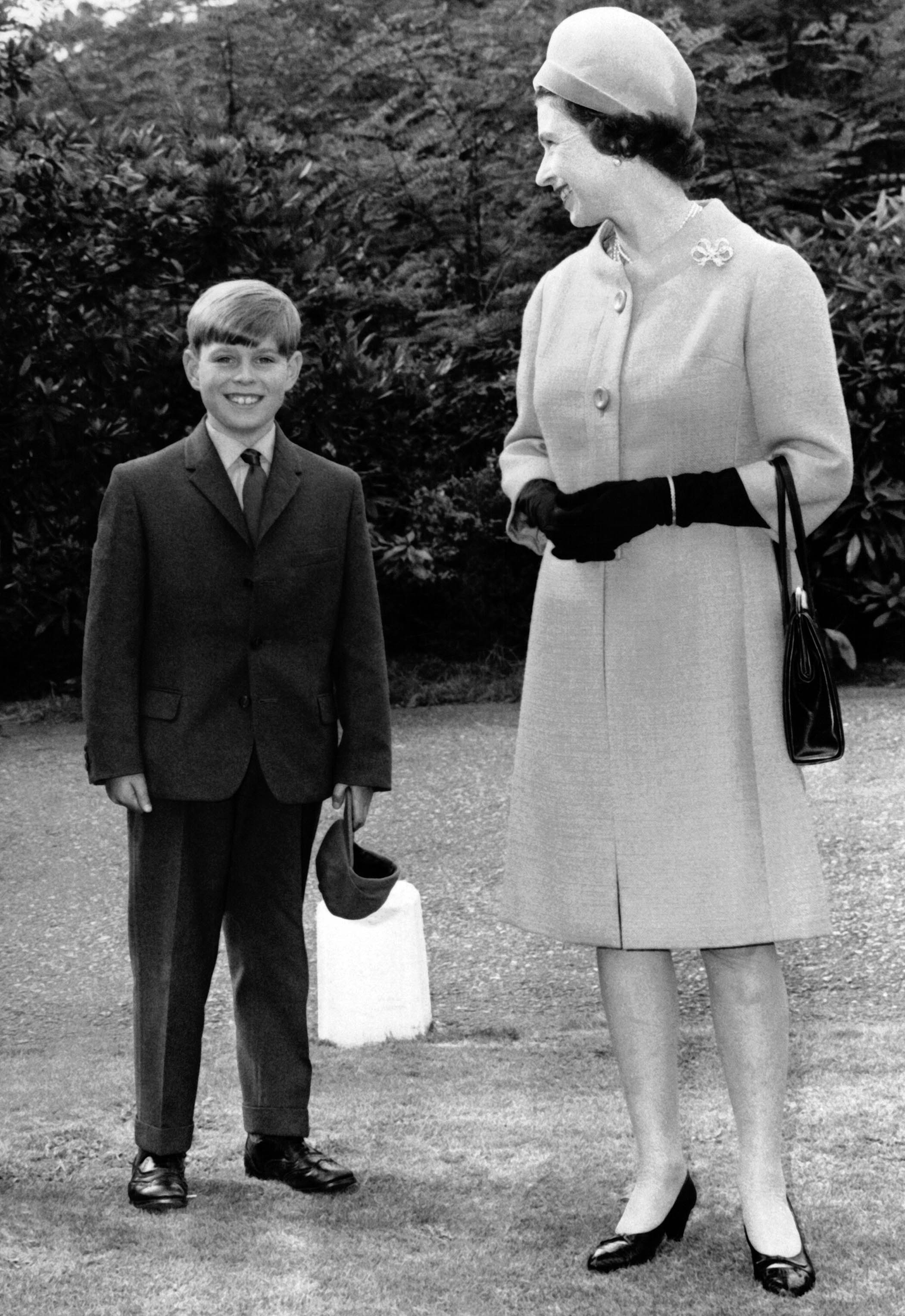
Queen Elizabeth II with her ‘favourite son’
In his role between 2001 and 2011 as the UK’s special representative for international trade and investment, Mountbatten-Windsor appears never to have met a dictator or rogue businessman with whom he didn’t want to do business, regardless, Lownie maintains, of his diplomatic instructions or the national interest.
When Mountbatten-Windsor wasn’t hanging out with slimeballs, he was content to watch golf videos for hours on end. Ferguson was more of a grafter. At one stage, she was earning multimillions from book and media deals, fronting Weight Watchers in the US, and using various other means she found to exploit the royal connection – or, as she once put it, get her “lick of the spoon”.
“She was a trouper,” says Lownie. “She did pick herself up [after the divorce] and traipsed around American shopping malls doing things that must have been humiliating, but that’s why people respected her.”
The problem was she was a millionaire with billionaire habits. She employed “a staff of 17 that included a cook, driver, maid, butler, dresser, nanny, three secretaries, a personal assistant, lady-in-waiting, accountant and accountant’s assistant, two gardeners, flower arranger and dog walker”, writes Lownie of her profligate pomp.
Ferguson travelled, by Lownie’s account, with up to 25 suitcases, five packed with toiletries and one containing nothing but clothes hangers. She ordered her chef to make a “sizable cream cake” every day, no matter if it was eaten or not. She also seems to have had a highly expensive weakness for fortune-tellers, diet doctors, hairstylists and manicurists. So lavish was her lifestyle that she was mired in ruinous levels of debt and sought bailouts from the likes of Epstein.
Together, the royal couple come across as reckless people, oblivious to their effect on others and driven by insatiable appetites for the high life. Ferguson soon tired of her husband but stayed on close terms to retain the monarchy’s cachet. At least she has charitable impulses, even if her voluntary work is too often indistinguishable from self-promotion. Her ex, by contrast, makes little effort to disguise his contempt for those less fortunate than himself.
The litany of allegations Lownie assembles are so extensive and extraordinary that the reader can’t help but doubt some of the details. For example, he recounts a story in which Mountbatten-Windsor was visited by more than 40 Thai women – we are to assume sex workers – at his Bangkok hotel room during a four-day visit in 2006.
Although the man who wrote to Epstein promising “we’ll play some more soon!!!!” is described in the book as a “sex addict”, that number stretches credulity. The story comes from Andrew MacGregor Marshall, the former Reuters deputy bureau chief in Bangkok. Does Lownie think it’s true?
“I wouldn’t have put it in if I didn’t think it was true,” he says, and cites police officers at Buckingham Palace witnessing rapid-fire visits of women to the then duke.
“Even some of the girlfriends talk about it all being very perfunctory and you’re lucky if you get dinner,” he says.
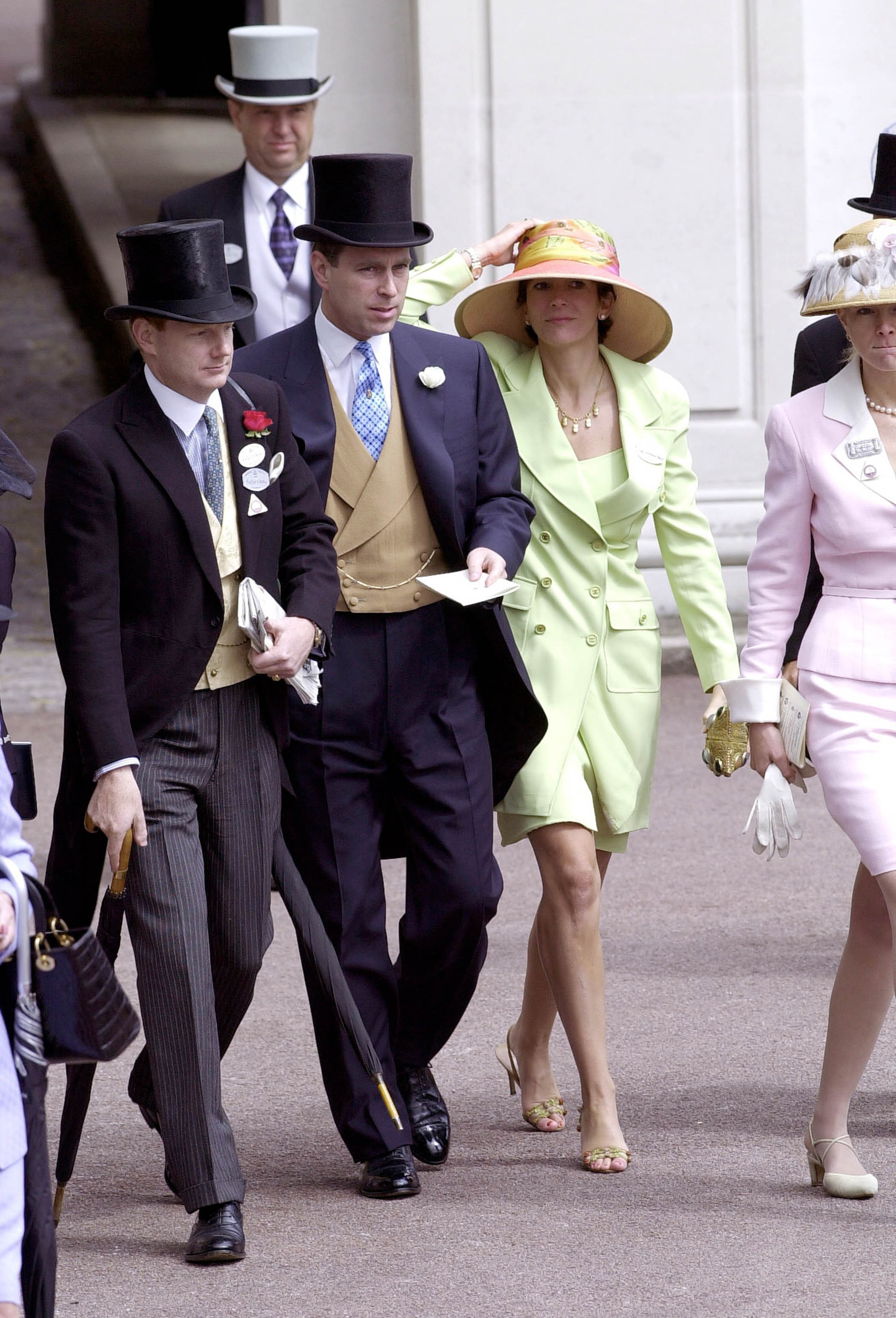
Mountbatten-Windsor with Ghislaine Maxwell at Ascot in 2000
Nonetheless, the line between scurrilous gossip and established fact is not always clear. Critics have complained about anonymous sources whose statements can’t be verified. Yet that has long been standard practice in royal biography, usually a hagiographic genre that relies on unattributed briefings from courtiers and press officers of the “It is understood …” type. If nothing else, Lownie blows away that cosy arrangement and gives his sources free rein.
Right from the first sentence, which announces that Prince Philip and Ferguson’s mother, Susan Barrantes, had an affair in the 1960s, the book doesn’t slow the narrative with efforts to back up its frequently jaw-dropping claims. Notes at the end identify some of the sources – usually Lownie’s own research or from tabloid newspaper stories – but not all. How did he check what was true or dismiss what wasn’t?
“Verifying is tricky because often you don’t have two sources, and often there is contradictory material. A lot of people said Andrew didn’t drink and lots said he did drink. How do you reconcile ‘carpet slippers’ Andrew with ‘Randy Andy’? With a biography, it’s like a [Georges] Seurat painting: you put the dots in, and there may be different colours, but eventually a picture emerges.”
Was there some baseline of credibility beneath which he was unprepared to go? Were there any rumours that he thought too wild or baseless for inclusion?
“There were lots of things that the lawyers took out,” he says, which is not the same thing. “I had a lot of stuff about [Peter] Mandelson and Epstein,” he adds, “which of course proved to be true.”
Lownie says he’s received no legal complaints from either Mountbatten-Windsor’s or Ferguson’s lawyers, though the latter did warn him before publication that they were monitoring his social media and “would come after me if there’s anything that wasn’t true”.
At the outset, he had a meeting with Ferguson, a family friend of his wife’s. “She sat in the chair you’re sitting in now,” he says. “I said: ‘Look, this is your best chance for a fair hearing.’ She was very charming and said she’d think about it.”
Later, her publicist informed Lownie that Ferguson would not cooperate with the book, which liberated him “to do what I wanted”.
In the US, the publisher Simon & Schuster cancelled the biography weeks before it went to print, claiming it was “unreadable”. He is suing it for breach of contract. What does he think lay behind the publisher’s decision?
“I have no idea,” he says, then outlines several theories, including the possibility that the publisher was wiping big advances from its bottom line to fatten the company for sale, or that a potential buyer didn’t want to have anything critical of the royal family on its roster.
In the event, he self-published the hardback in the United States.
“I just stuck it up on Amazon and it did absolutely nothing,” he says. “For the paperback, HarperCollins have taken on US rights and they are distributing it. It’s not quite the same as publishing it, but at least they’re making the book available in bookshops.”
Newsletters
Choose the newsletters you want to receive
View more
For information about how The Observer protects your data, read our Privacy Policy
The other big controversy was the claim in the first edition that Epstein had introduced Melania Knauss, as she then was, to Donald Trump. Subsequent editions had the offending passage removed after threats of legal action.
“What’s frustrating is that people now use this to beat me over the head and say: ‘How can we trust anything if he had to take out the stuff on Melania?’”
He remains adamant that it was valid information.
“Absolutely, I stand by it. I never said I believed it. I said that Epstein boasted that he had done this.”
On a more positive note, some reviewers have praised the material he has gathered from freedom of information requests (FoI). He made hundreds of them, but in fact, they produced “absolutely nothing”, he says.
“What was most revealing was that nothing would be revealed until 2065. I got no sense of who was on trips with Andrew. I got that from diplomats but not from [FoI requests]. They used every exemption they could.”
Even the judges at tribunals sided with the royals’ right to privacy, he says, although his requests concerned events and trips on which Mountbatten-Windsor was ostensibly a government trade envoy.
A few days after I speak to Lownie, it emerges that Buckingham Palace officials were sent thousands of emails six years ago that showed that, while he was trade envoy, Mountbatten-Windsor shared confidential information with David and Jonathan Rowland, father-and-son businessmen.
Lownie documents a shady £1.5m loan that Mountbatten-Windsor received from Banque Havilland, set up by Rowland Sr after acquiring the Luxembourg arm of the collapsed Icelandic bank Kaupthing, and payments from the Rowlands to settle Ferguson’s debts. Have the father or son responded to his book?
“No, they’ve not responded to anyone,” he says.
If there is one point, amid all the sexual antics and profligacy, that Lownie repeatedly underlines, it is that the royal family is primarily concerned with protecting itself as an institution. Despite how often Buckingham Palace invokes the principle of public service, there is no legal obligation or established custom of sharing information that is in the public interest.
Mountbatten-Windsor, and to some extent his ex-wife, operated in the knowledge that the whole system is scandal-averse. That didn’t mean that either of them made much effort to avoid trouble. Far from it. It meant that they knew they could depend on the officials to cover for them.
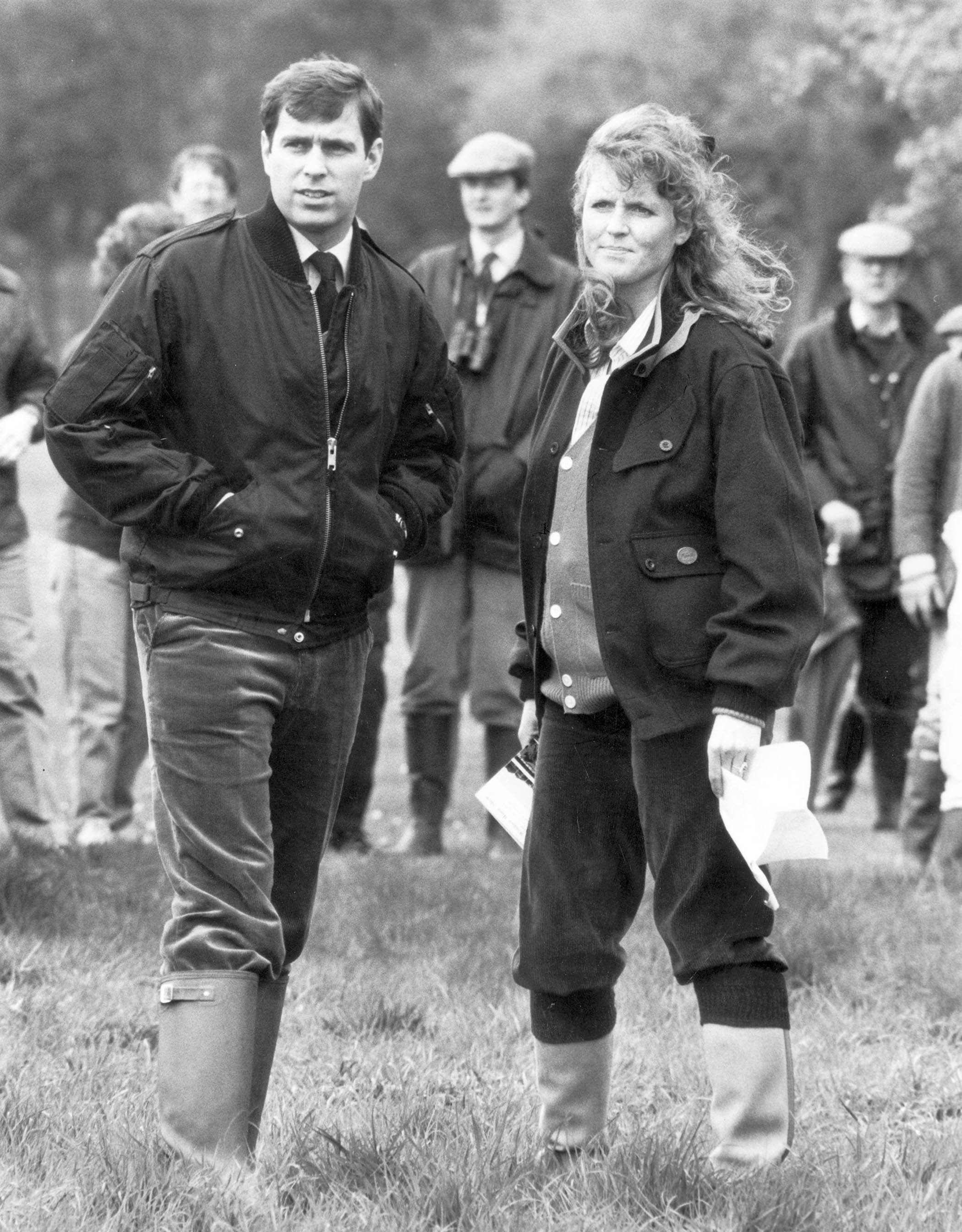
Mountbatten-Windsor and Ferguson divorced in 1996
One question that looms ever larger is: if Mountbatten-Windsor was consorting with scoundrels and making himself vulnerable to blackmail, as Lownie describes, why didn’t the intelligence services intervene?
“They did go and complain,” Lownie insists, “and they were ignored. I suspect it was a bit like Mandelson – the advice was given but, in the end, they don’t make the decisions.”
The queen was her favourite son’s chief protector. Her instinct was to reject reports of his misbehaviour and then, when a new scandal required that he temporarily step back, to reward him with yet another archaic title. As head of state, she appeared to hold much more than ceremonial power. One government after another was loath to displease her.
The single institution that did keep tabs on the Yorks was, of course, the tabloid press. But its main concern was toe-sucking and topless jaunts on yachts, long-lens intrusions rather than dogged investigations of corruption and abuse of public office.
Lownie at least draws from both wells. What does he make of the reproof that he is too prurient?
“I’m a biographer writing about a relationship, and I think we’ve moved on from sugarcoating the royals. [Mountbatten-Windsor and Ferguson] are grifters and they need to be called out. The sex is all part of the story with the finances. I wanted the book to be a commercial success, so I knew this stuff would get traction and attention.”
The book sold well when it was first published, but nothing like it went on to do after the Epstein files began to be released. That was what propelled it to the top of the bestseller list.
“Never in 40 years of publishing have I seen a book with such luck,” he says. “And having the Epstein revelations confirm what I had was gratifying.”
If Epstein is the machiavellian mastermind who used his wealth to extract influence and information, the Yorks were only too willing to go along for the luxury ride.
There is a way of seeing them as aberrations, two people damaged by their difficult childhoods who had the misfortune to empower each other’s worst characteristics. But this would be to overlook the system that enabled them to get into bed with the convicted sex offender.
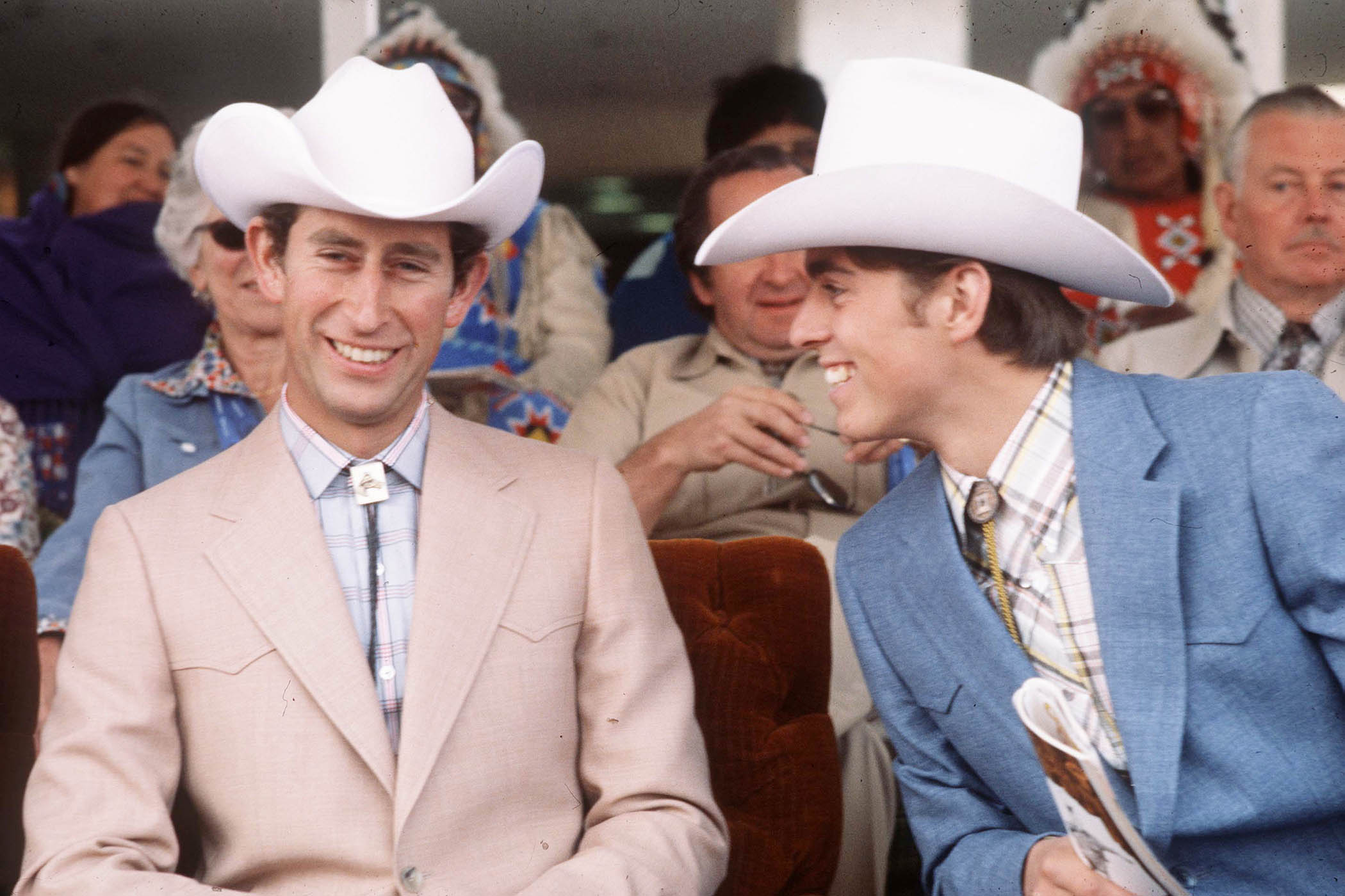
The then Prince Charles with Mountbatten-Windsor in 1977
“One of the reasons [Buckingham Palace] tried to nudge the narrative away from financial misdemeanours and towards sex ones is that [King] Charles can’t be compromised if it goes down that route,” says Lownie.
For this reason, he was surprised by Mountbatten-Windsor’s arrest.
“I was amazed. I thought they were going to kick it into touch. But they’re not going to have him giving testimony in court because he’d bring the whole house of cards down.”
Lownie says he would like to see a reformed “European-style monarchy” that is “fit for purpose in the 21st century”.
The continuing crisis around Mountbatten-Windsor, he believes, is an opportunity to initiate much-needed changes. Does he think the royal family and their courtiers will act upon it?
“They will do too little too late, as always,” he predicts. “They will do just enough to get by.”
Perhaps that’s in the nature of the institution, preserving as much privilege as it can until such time that it can’t. Even if Lownie’s book and his campaign for royal reform play their part in helping to bring forward some long-overdue changes in our antiquated monarchy, the fogeyish biographer is very far from a radical moderniser.
When I ask who could provide a model for a more down-to-earth royal family, he suggests Philip.
“He worked right up to his late 90s but quietly had a private life behind the scenes that nobody knew about. Staff loved him – he was very good at mixing with people – and he found the whole flummery ridiculous.”
It turns out that the Duke of Edinburgh, who on an Australian tour asked an Indigenous leader if Aboriginal people still threw spears at each other, is the subject of Lownie’s next book. The gaffe-prone late prince’s private life is unlikely to remain private for much longer.
Entitled: The Rise and Fall of the House of York is published by William Collins (£10.99). Order a copy from The Observer Shop for £9.89 (10% off RRP). Delivery charges may apply
Additional photographs by Boris Spremo/Toronto Star via Getty Images, Hulton-Deutsch Collection/CORBIS/Corbis via Getty Images, Tim Graham Photo Library via Getty Images, David Levenson/Getty Images, Anwar Hussein/Getty Images, Keystone-France\Gamma-Rapho via Getty Images