


The world’s biggest chocolate maker fears a rise in cocoa bean prices. India has restricted exports of sugar. Peru has banned anchovy fishing along its coastline.
What connects these events? An El Niño weather pattern this summer, bringing high temperatures and extremes of drought and rainfall, was confirmed by scientists last week. Analysts say its shockwaves are already being felt along the agricultural commodities supply chain.
While El Niño is a natural phenomenon – a sustained warming of the Pacific’s surface that affects the world’s weather – it arrives as the planet is heating up due to manmade climate change and this year’s event is being dubbed a “Godzilla”.
It is “strong enough to rank among the largest El Niño events in the historical record going back to 1950”, according to the US National Oceanic and Atmospheric Administration. Some forecasts suggest the temperature increase from this El Niño could exceed 3C, greater than the estimated temperature of the exceptionally powerful 1877 El Niño, when famine killed millions of people.
The food industry is bracing for impact. Andrew Coburn from Risilience, a climate risk consultancy, said: “Price shocks will be felt across many of the core items in the consumer’s shopping basket at the same time. Historically we have seen price shocks to individual commodities, but rarely across all of them.”
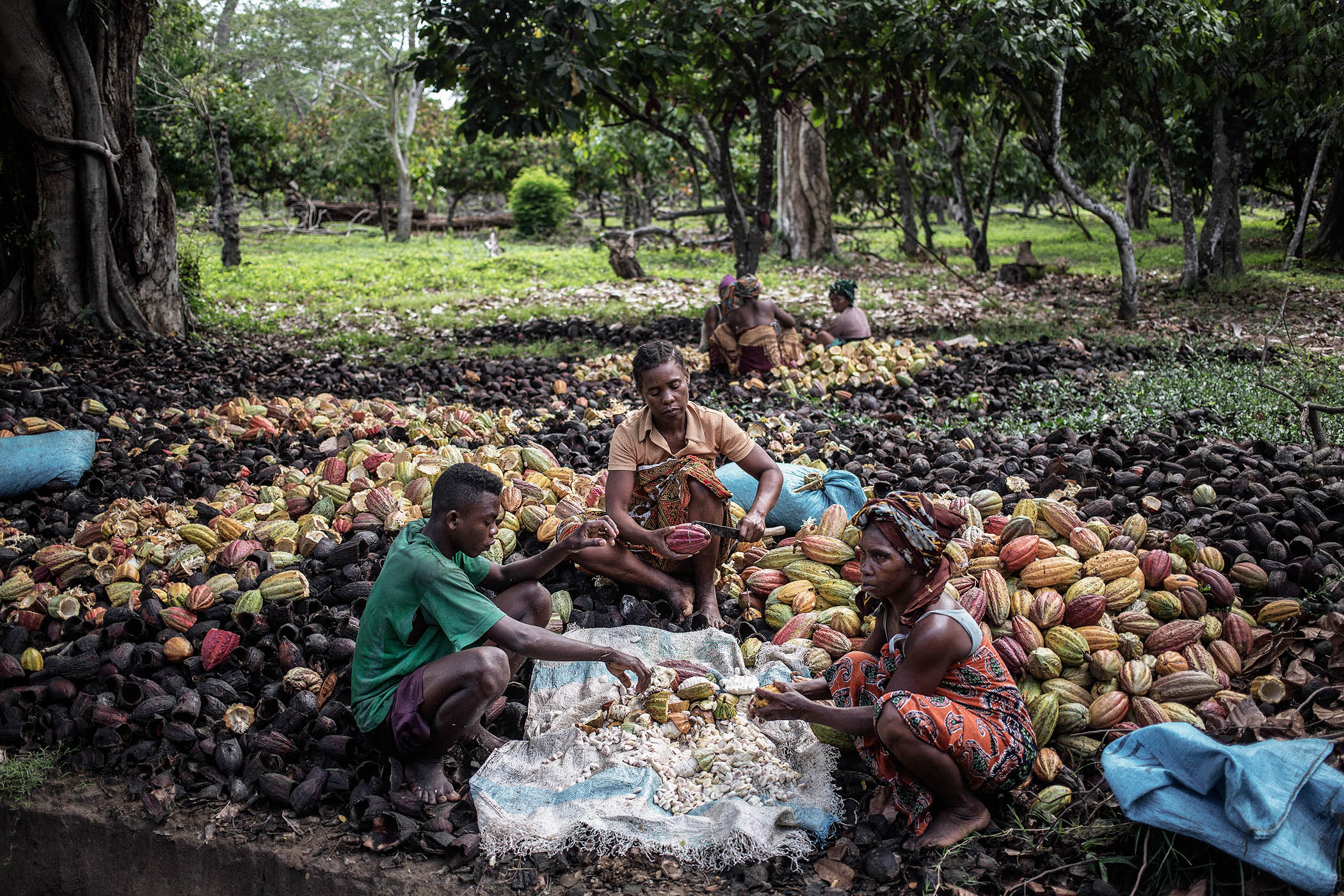
The CEO of Swiss chocolate manufacturer Barry Callebaut has predicted the price of cocoa beans, grown mainly in west Africa, could rise by several thousand pounds per tonne, a significant increase on a commodity that traded between £2,900 and £3,100 per tonne this week. Weston Anderson, a climate scientist at the University of Maryland, said: “Cocoa is extremely concentrated in its production… a single failure in a single country has the capacity to drive up prices.”
Palm oil, the world’s mostly widely used vegetable oil, is mainly produced in Malaysia and Indonesia, both of which are highly exposed to El Niño risk. Marex, a London-based commodities broker, said that a production shortfall of just a few percentage points “can move the global balance sheet significantly”. Shrinking production could also affect the price of other vegetable oils.
Shortages inflicted by El Niño are likely to have consequences further up the food chain. Last week Peru extended a fishing ban indefinitely over concerns about the warmth of ocean waters affecting fish stock. It is one of the world’s largest producers of fishmeal, which is used to feed farmed salmon in Scotland and Norway.
Some crops are more insulated from the impact. A record-breaking coffee harvest in Brazil has eased prices, while soybean yields in the US and Argentina are expected to benefit from El Niño-related weather shifts.
And there’s a growing capacity to respond with technological advances, including drought-tolerant seeds that helped farmers in Central America survive the 2023-2024 El Niño.
Newsletters
Choose the newsletters you want to receive
View more
For information about how The Observer protects your data, read our Privacy Policy
The anticipated El Niño shock hits a global agricultural sector that has already been battered by surging fertiliser and energy prices since the outbreak of war in the Middle East.
Carlos Mera, senior research analyst at Rabobank, said war-related disruption was hitting some of the world’s biggest food exporters: “We are seeing the wheat planted area in Argentina and Australia going down. The high price of fertiliser is the primary driver, and that is concerning for global food security.
“If the Strait of Hormuz continues to be closed, it will affect the northern hemisphere planting situation. Winter wheat is planted in Q4 and if we see the wheat area declining in the northern hemisphere we could see extensive famine around the world.”
Photograph by Gianluigi Guercia/AFP/Getty Images