The US and Iran have agreed a deal to reopen the Strait of Hormuz and end their war. It will be signed at a ceremony in Geneva later this week.
So what? It has taken months of wrangling to reach this point. But there is little to suggest the agreement can bring the lasting peace touted by Donald Trump, who has styled it as an historic breakthrough. Instead the sides appear to have agreed on a loose framework that
•
defers talks on the biggest issue, Iran’s nuclear programme;
•
is shrouded in ambiguity, especially on the subject of tolls in the Strait of Hormuz; and
•
has already come under attack by hawks on both sides.
What’s in it? In the past few months, Trump has brandished the threat of total annihilation and squeezed the Iranian economy in an attempt to force concessions out of Tehran. It doesn’t appear to have worked. Although the full details of the ‘memorandum of understanding’ are not yet public, it reportedly contains a 60-day ceasefire extension, with the US lifting its blockade of Iranian ports in exchange for the reopening of the Strait of Hormuz.
A reminder: Reopening the strait was on the table when the two sides first met in Islamabad two months ago, and the waterway was open to international shipping before the war.
Details, details. Trump has dressed this up as a victory, claiming that he had succeeded where other American presidents have failed and declaring: “Ships of the World, start your engines. Let the oil flow”. In a later post he claimed that tankers are “starting to move”.
On the ground. There is little evidence of this. The International Transport Workers Federation, which represents thousands of stranded sailors in the Persian Gulf, said the size of the backlog in the Strait of Hormuz means that a return to normality is “weeks, if not months, away” – although the deal will ease the pressure the conflict has placed on the global economy.
Mixed messages. Trump claims the strait will reopen “toll-free”. But Iran’s foreign minister, Abbas Araghchi, said last week that control of the waterway “will not return to the pre-war era” and mentioned charges for “services.”
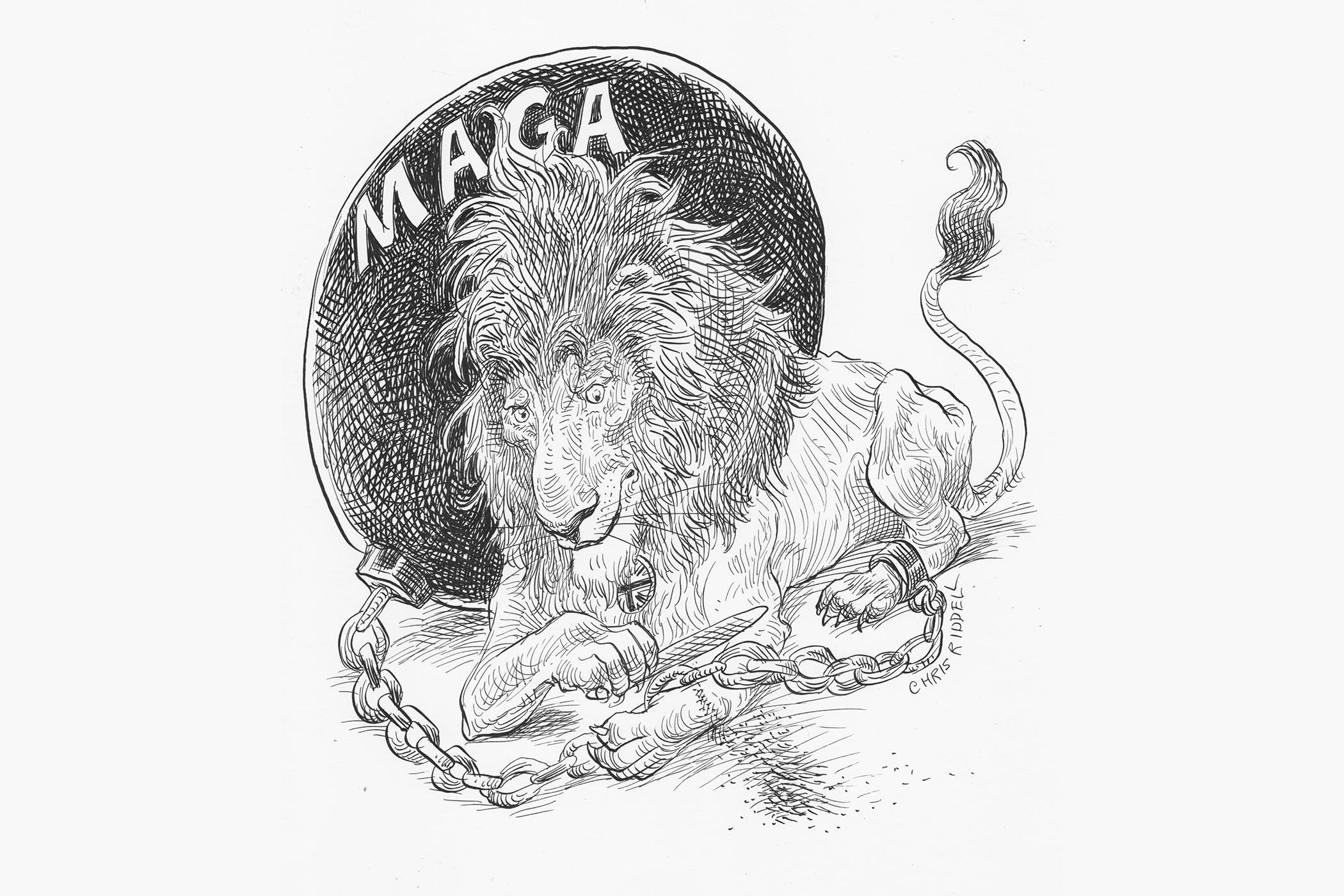
Papering the cracks. The ceasefire extension gives a 60-day window to hash out an agreement on Iran’s nuclear programme. This is “overly ambitious,” according to Ali Vaez of the International Crisis Group. He fears this interim deal could become permanent, leaving in place a fragile stopgap that fails to resolve the issues that caused the war in the first place.
Sky blue thinking. Even as vice-president JD Vance claimed the deal has the potential to “reshape the Middle East,” Trump persisted in threatening Iran if they don’t comply. He told the New York Times that if there is no deal on nuclear, he would either restart military attacks or make the US “the guardian of the Middle East” in exchange for 20% of the region’s revenues.
Elephant in the room. The US has dangled sanctions relief if Tehran complies on nuclear. This is a politically explosive subject for Trump, who criticised Obama for transferring $1.7bn to Iran as part of his nuclear deal. This time Tehran claims the US has agreed to release $24bn in frozen assets, which Vance has denied.
Newsletters
Choose the newsletters you want to receive
View more
For information about how The Observer protects your data, read our Privacy Policy
Both sides could be right: under the deal, Iran might get access to its unfrozen assets through a line of credit from Qatar.
View from Tehran. Several aspects of the deal appear to favour Iran since it has long refused to address its missile programme or support for proxies. But Iranian hardliners are still unhappy. They want guarantees about sanctions relief, war reparations and their control of Hormuz.
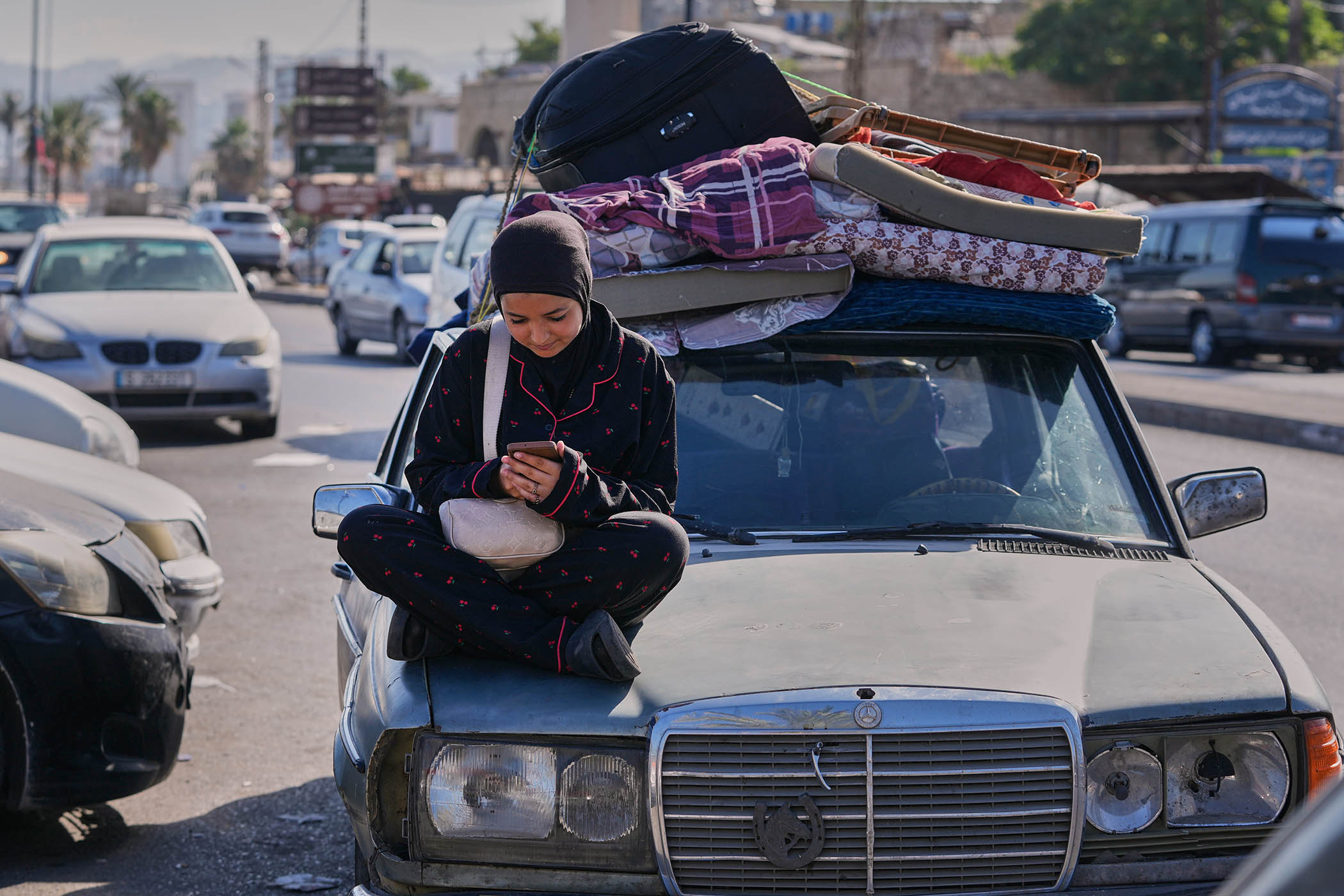
What about Lebanon? Although the deal includes Lebanon and Iran says it can only last with peace there, Israeli officials insist they will not withdraw their forces.
What’s more… Several senior Israeli figures have criticised the deal including Ben Gvir, the country’s hardline national security minister, who said it “does not safeguard our security”.
Photograph by Mohammed Zaatari/AP