
Photographs by John Boaz for The Observer
In the entrance to the orange-brick Victorian building that houses Fishergate primary school is a display entitled: “What sanctuary means to us.” According to the felt-tip pen illustrations drawn by pupils, “Sanctuary to me means having a safe place with my family.” It is: “When I’m with my mum”, “my dog”, “my guinea pigs”. “I feel safe in my bed, reading a book with all my toys,” reads one poster. “Fishergate primary is where sanctuary is to me,” reads another.
The school, just south of the centre of York, is the first in the city to be named a School of Sanctuary, making it one of more than 1,100 schools across the UK that have committed to creating a welcoming culture for those forced to flee. Since the Home Office began using a nearby hotel to house refugees and asylum seekers in December 2022, Fishergate has, at different times, welcomed 35 children staying there on to its roll, from countries including Yemen, Nigeria, Pakistan, Sudan, Ukraine and Syria.
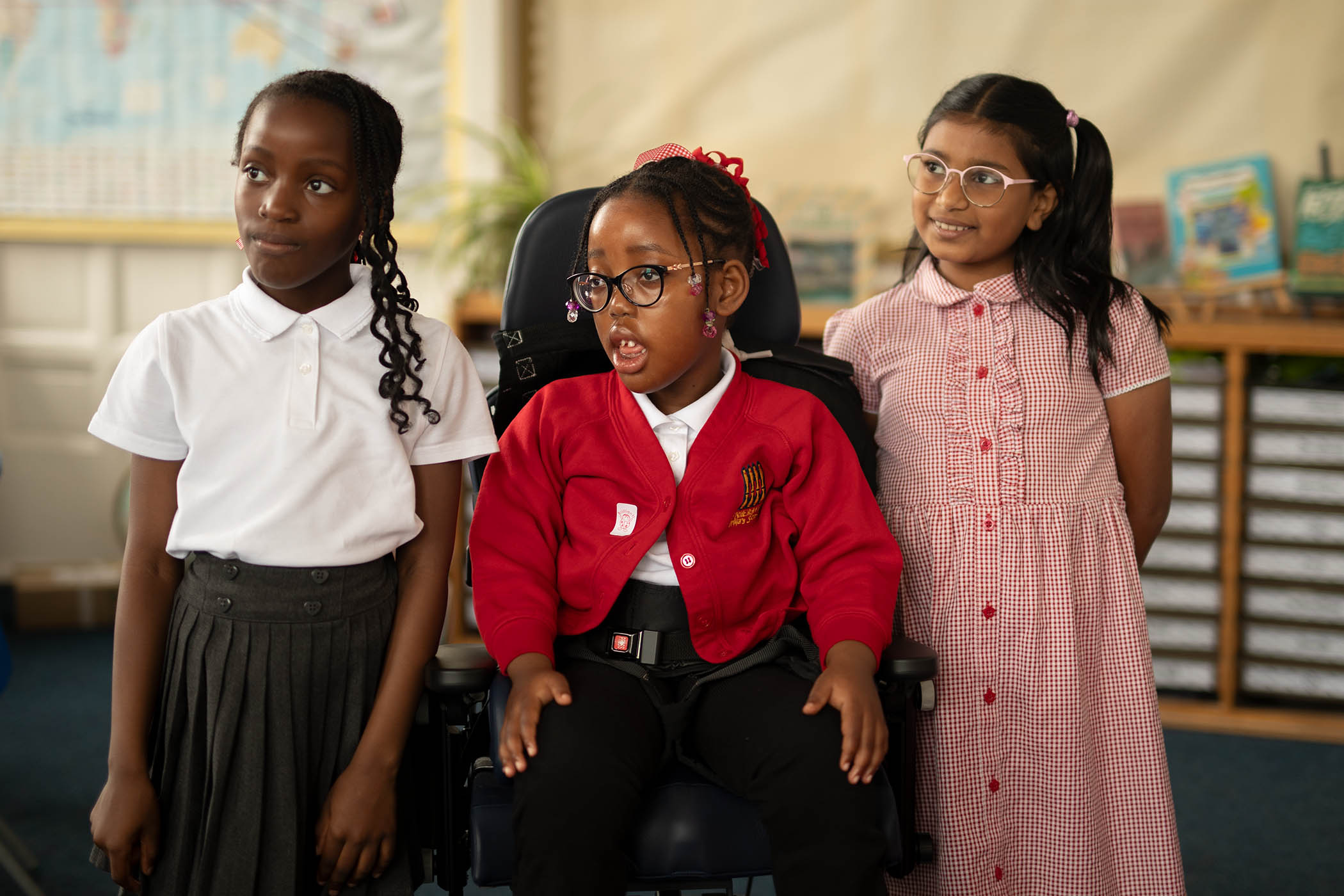
For the existing children at the school, exactly what it means to be part of a school of sanctuary is simple. “To be kind,” says Indie, a year 5 pupil. “Yeah, to be kind and welcoming to refugees and people who’ve had to migrate here,” adds Jacob, who is in year 6. “And people who are new,” adds Abbie, who knows just what that’s like.
Abbie and her younger sister, Faith, were born in Zimbabwe. In 2023 their mother, Hazel, brought both girls and their older sister to Stirling, the Scottish city where her husband, the girls’ father, was studying. Faith, who was then aged four, has global hypotonia, a neuromuscular condition that means she uses a wheelchair and requires additional care. In their home country, Faith was treated as an “outcast”, says Hazel. “[In Zimbabwe] having a child with additional needs is not welcome. It’s more like a burden. So the support that you need from your close family, you won’t have it.”
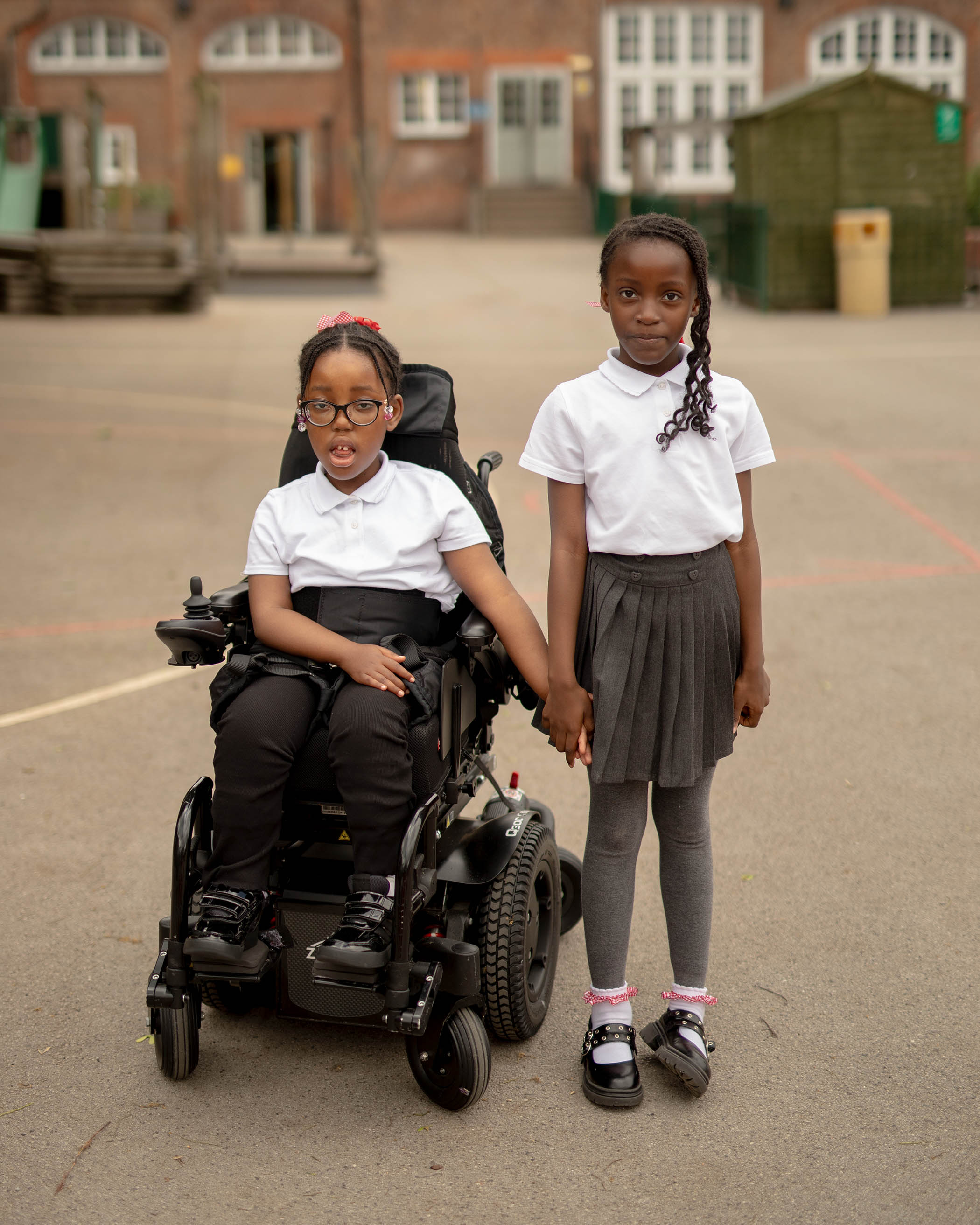
Faith and Abbie left Zimbabwe due to prejudice over Faith’s global hypotonia
The family sought a life in the UK so Faith could receive the care she needed. But before long, Hazel’s husband left without explanation, and she was single-handedly looking after all three children in a country she didn’t know. “I was all alone,” Hazel says. “Because of the little child, the situation was becoming difficult. I was losing the house because I was not able to go to work – I was not able to pay the rent. I was depressed.”
The Home Office moved the family into a series of hotels. On multiple occasions, Hazel and her daughters were forced to wait for hours in hotel lobbies or outside in bad weather for transport to new accommodation that never arrived. Often, Hazel thought: “We’re homeless again.” First, the family was offered long-term accommodation in Wakefield, West Yorkshire, but it wasn’t accessible for Faith.
Eventually, they were told they had been allocated a place that would suit them: the hotel in York. Faith and Abbie were enrolled at Fishergate in September 2024 and the family lived at the hotel for almost a year before they moved into their own house, which has been adapted so it is safe for Faith.
Nishtiman arrived in the UK with her husband and two sons from Kurdistan, fleeing a political situation that meant it was too dangerous for the family to stay in the country. If they were to go back, “we could be killed”, she says. The family have been living in the hotel in York for almost two years, as they await the result of their residency application. In that time, Fishergate has become a home for Nishtiman and her sons, who are in year 1 and year 5. “I remember the first day when I came to Fishergate, I started crying in the reception,” she recalls. “I was crying because of the happiness [I felt] when I saw the staff and teachers and how warm they were. I didn’t feel that I’m alone any more in this country.”
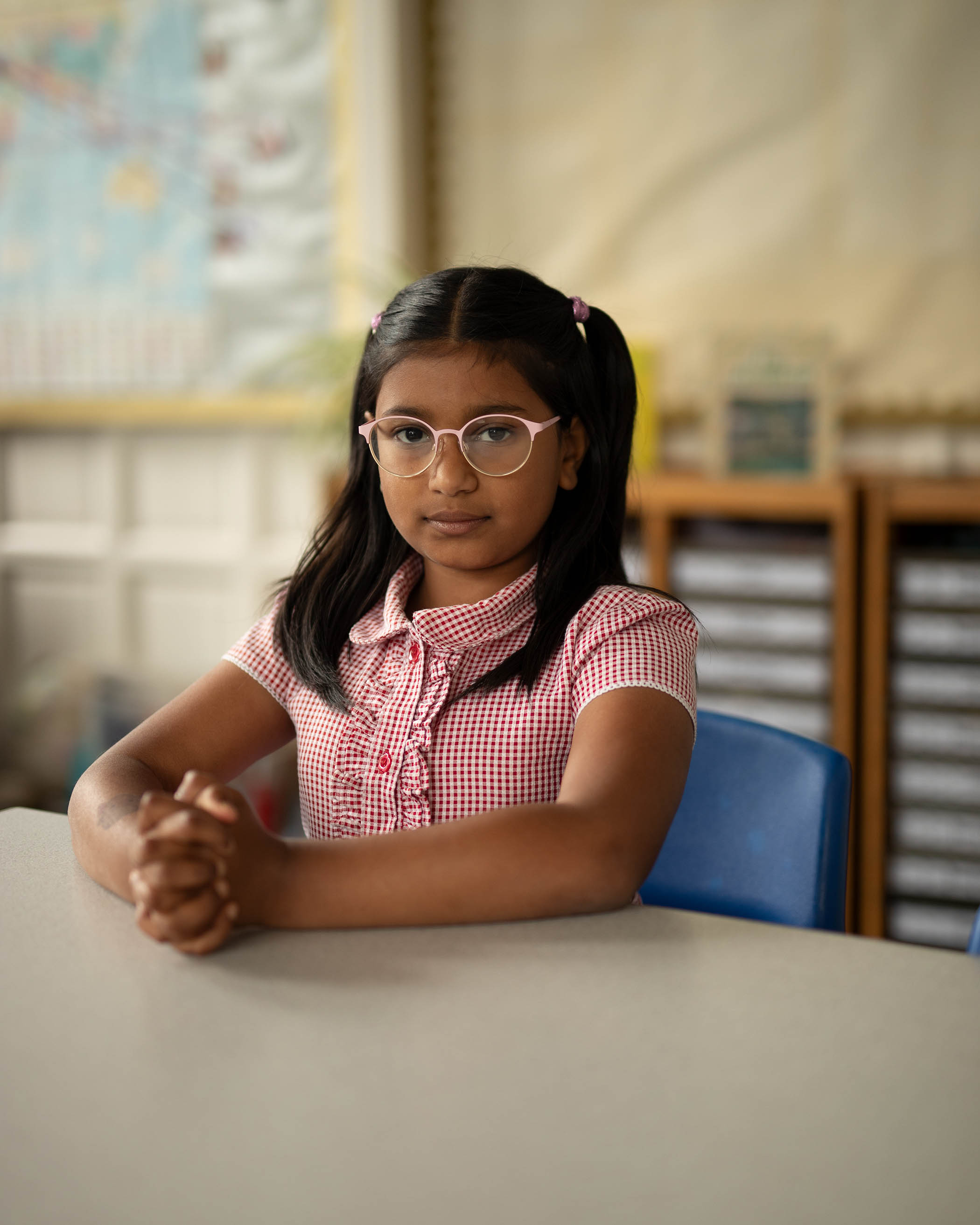
Aishinee, year 5: ‘We weren’t very good friends, but then we became really good friends’
Fishergate’s school of sanctuary accolade might be relatively new, but this work continues the school’s long-term mission. The deputy headteacher, Dani Rees, has worked there for 33 years – her whole career. “We want to be as approachable as possible,” she says. “We’re deliberately quite relaxed; we introduce ourselves to parents by our first names; we take the trouble to learn theirs. We want to build those relationships so that every member of the family feels comfortable.”
Sanctuary-seeking families are not the school’s only area of focus. “We put our disadvantaged families first, and [refugee and asylum-seeking families] are part of that group,” Rees says. At the time of the last census, in 2021, 92.8% of people in York identified as white, compared with 79% in Leeds and 69.4% in London. But the corner of the city that Fishergate serves is comparatively ethnically diverse, thanks to its proximity to a mosque and barracks. “We’re used to families that come and maybe don’t stay,” says Rees. “Our children are used to finding a new person in their class on Monday.”
“They have such a good understanding of what being a school of sanctuary means,” adds Fishergate’s headteacher, Christina Clarke, “and what their job is when they’ve got new children in their class. They don’t even bat an eyelid.”
Newsletters
Choose the newsletters you want to receive
View more
For information about how The Observer protects your data, read our Privacy Policy
The children, sitting around a table in the library, eagerly express this themselves. “When people join during the year, [the teacher] will give them someone really friendly, just to help them,” a buddy who “plays with them, sits with them”, says Jacob. Indie adds that “at that minute, they can trust that person to be their friend”. Aishinee, in year 5, describes her friendship with a new girl in her class who can only speak a little English. “We weren’t very good friends, but then we became really good friends,” she says, even though they mostly communicate via Google Translate.
Fishergate pupils are taught about asylum seeking explicitly as part of the curriculum. “It’s really important that they have an understanding of what forced migration means,” says Rees. Pupils join regular assemblies on the topic and take part in activities for Black History Month and Refugee Week. The library, she adds, is packed with “picture books that are about the character having to make a new start. The character might be a squirrel, but it’s that idea that the forest is in danger and they’ve had to leave, and they have to start again.”
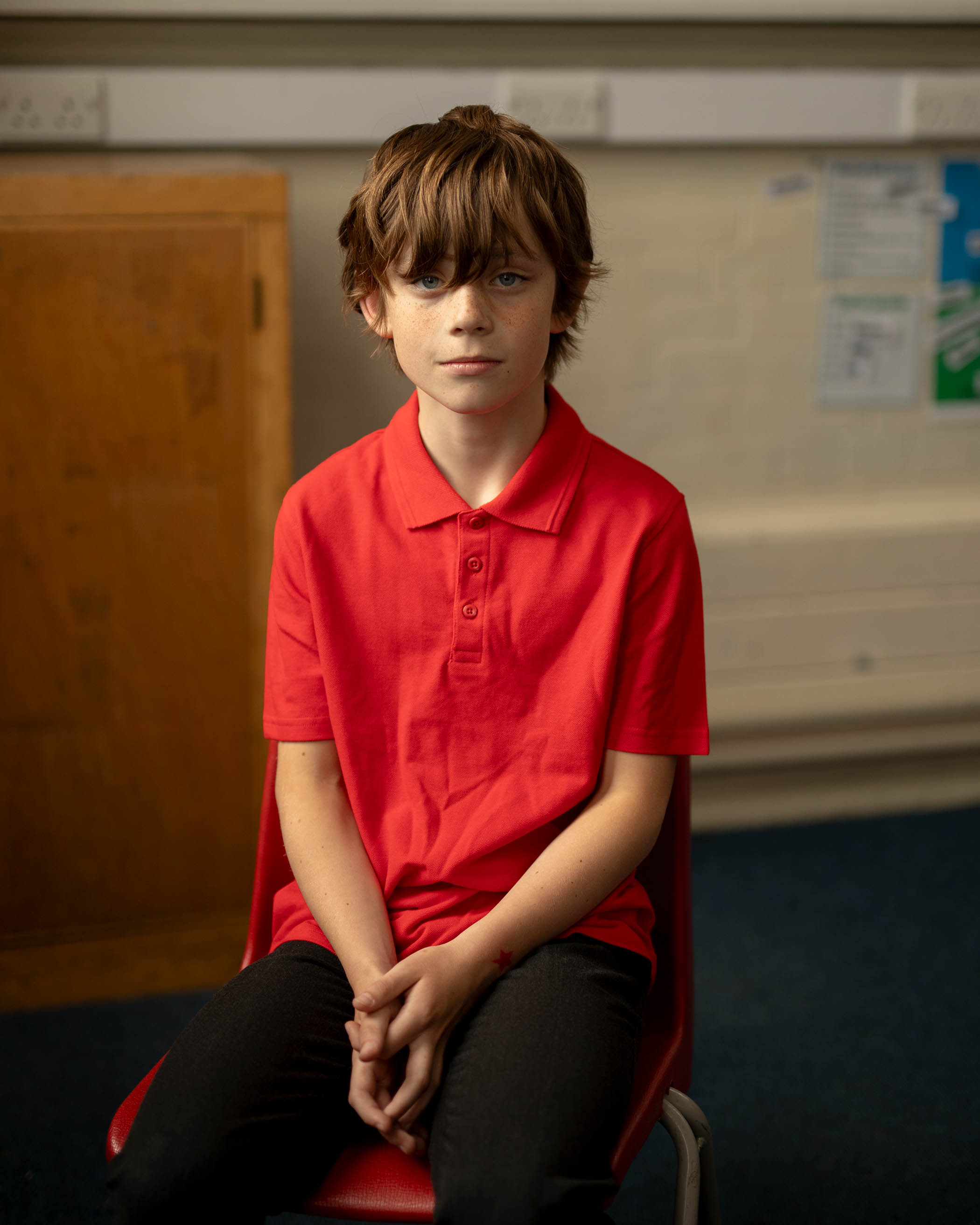
Jacob, year 6: pupils try ‘to be welcoming to people who’ve had to migrate here’
From what some parents and children have shared with staff, they know that at least one pupil arrived on an inflatable dinghy. One family fled the risk of female genital mutilation; others war and domestic abuse. Clarke explains that all staff at Fishergate receive training on how to deal with those suffering from traumatic experiences; not only teachers but administrative employees need to understand how best to assist a family from the moment they walk through the school gates. Office staff help parents fill in admissions forms and the school works with translators – some of whom come from the sanctuary-seeking families, including Nishtiman, who volunteers as a Kurdish interpreter – who put key letters to parents into the school’s most commonly spoken languages.
Fishergate and the many other schools of sanctuary around the country are doing this work during an increasingly hostile period for migrants in the UK. In the summer of 2024, riots were sparked outside hotels that were housing asylum seekers after misinformation spread online that the killer of three girls at a school holiday dance school in Southport was a recent Muslim migrant. No such unrest occurred in York, but Nishtiman remembers it as a terrifying time for the families living in the hotel. “When we saw the news, we were scared. We say that we have come here as human beings. We don’t want to destroy this country; we want to be part of this community. There are bad people everywhere – not just in one country – but we don’t want to destroy or steal anything. If we have the right, we want to work and help.”
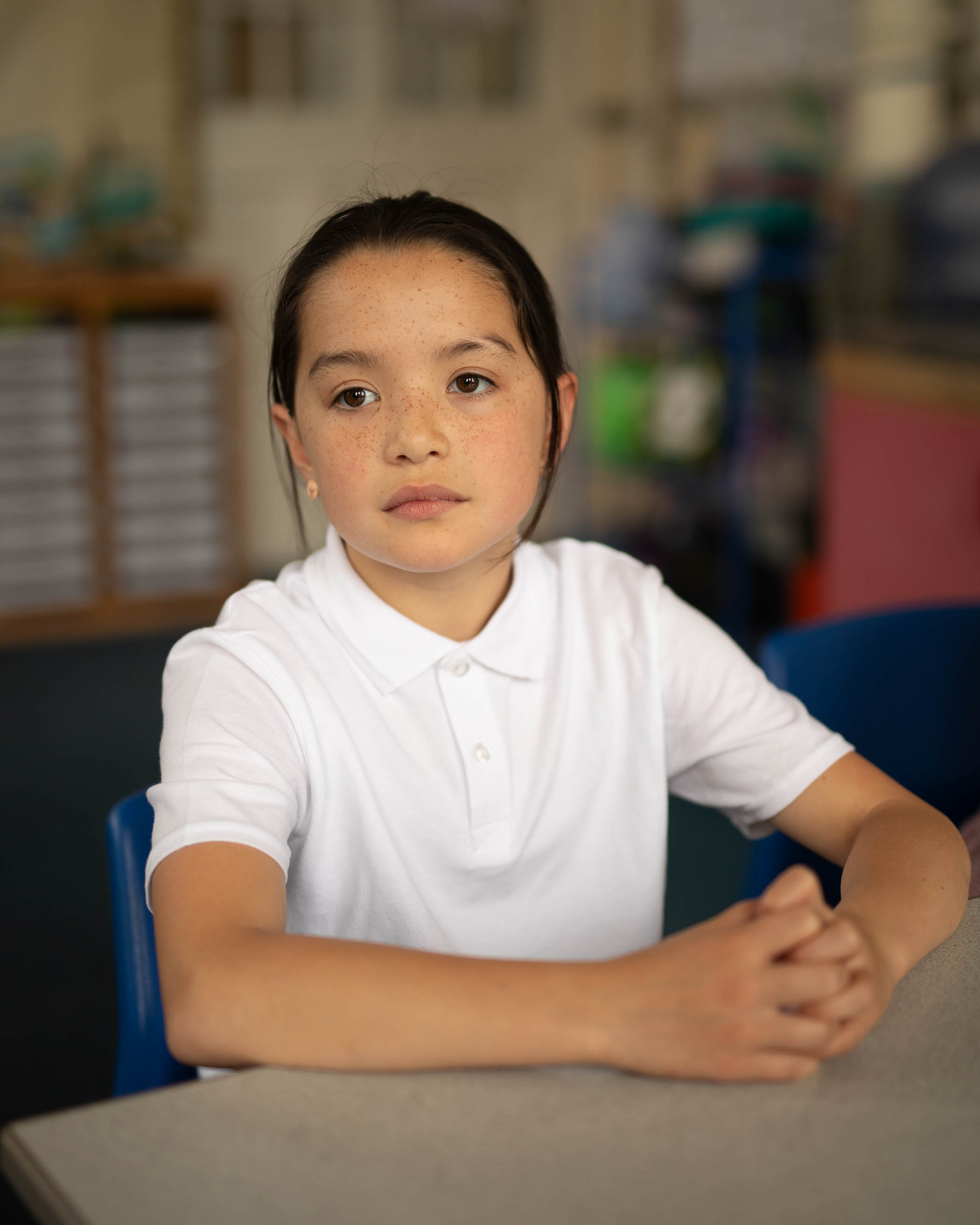
Indie, year 5: the school aims ‘to be kind’ to refugees
Rees adds that once school resumed that September, some families did tell the school “that they had felt less safe in York, and they will sometimes say that, at times, York has not felt friendly to them, but coming to school does”.
As well as providing a safe environment for new arrivals, Fishergate believes it is preparing all its children to be better adults. “Part of our moral responsibility is to grow a generation of children who are kind and compassionate and have a strong sense of social justice,” says Rees. “That has to be a part of any teacher’s job.”
Parents agree, including Maz Hardey, whose daughter Darcey is in year 5. “I really like that Darcey has lived experience of what difference means,” she says. Hardey volunteers for numerous clubs and trips across the school and has “only ever heard positive things” about the school’s welcoming of new families from other parents. On “break the rules” day last year, Fishergate pupils raised more than £400 for Schools of Sanctuary – the most it has ever raised on any charity day.
Last year, Darcey grew particularly attached to a friend who had to leave the school because their family had been rehoused outside York. “She felt the injustice of that,” Hardey says. “‘That’s not fair. Why can’t they just stay here? Why are they being forced to go?’ Yeah, good questions, Darcey.”
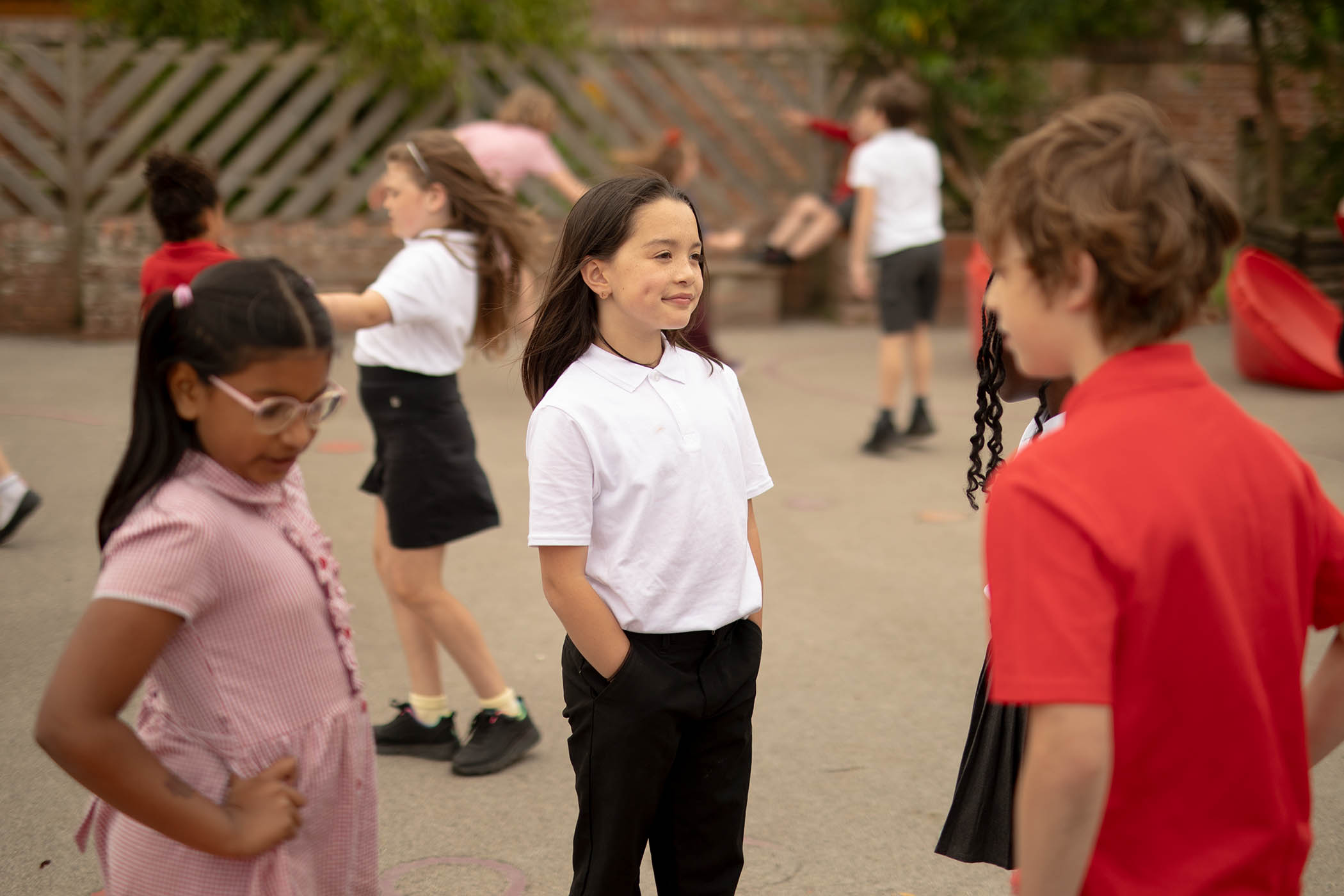
Playtime at Fishergate primary school
Hazel’s daughters are well settled at Fishergate. Now six, Faith has an education, health and care plan, which means she receives additional support, including a dedicated teaching assistant. Both she and Abbie wear matching red ribbons in their hair to go with their red uniforms. Faith is “a friend to everyone in her class”, Hazel says, and is invited to every party. “She is progressing in a way that I never [could have] imagined. When she started, she couldn’t write, but now she can write, she can read, she can do a lot of things. One day last year, she stood up by herself during physio time. According to her condition, she wasn’t supposed to do that, but she did because she’s getting all the support that she needs.”
Rees has learned a lot from the thousands of children she has taught during her more than three decades at Fishergate. But what stands out about the most vulnerable children is that “they just want to belong”, she says. “They want to feel like: ‘OK, Fishergate, this is where I come every day, these are all my friends, this is what I learn.’ I don’t say that crassly without an awareness that they are hiding all sorts about what they have been through. There’s all this stuff that they carry around in their hearts and minds. But they want to enjoy now, and they want to look ahead. Their resilience is extraordinary.”
Some names have been changed. Refugee Week runs from 15-21 June: refugeeweek.org